How GSec Air Supports SF6-Free Medium-Voltage Switchgear
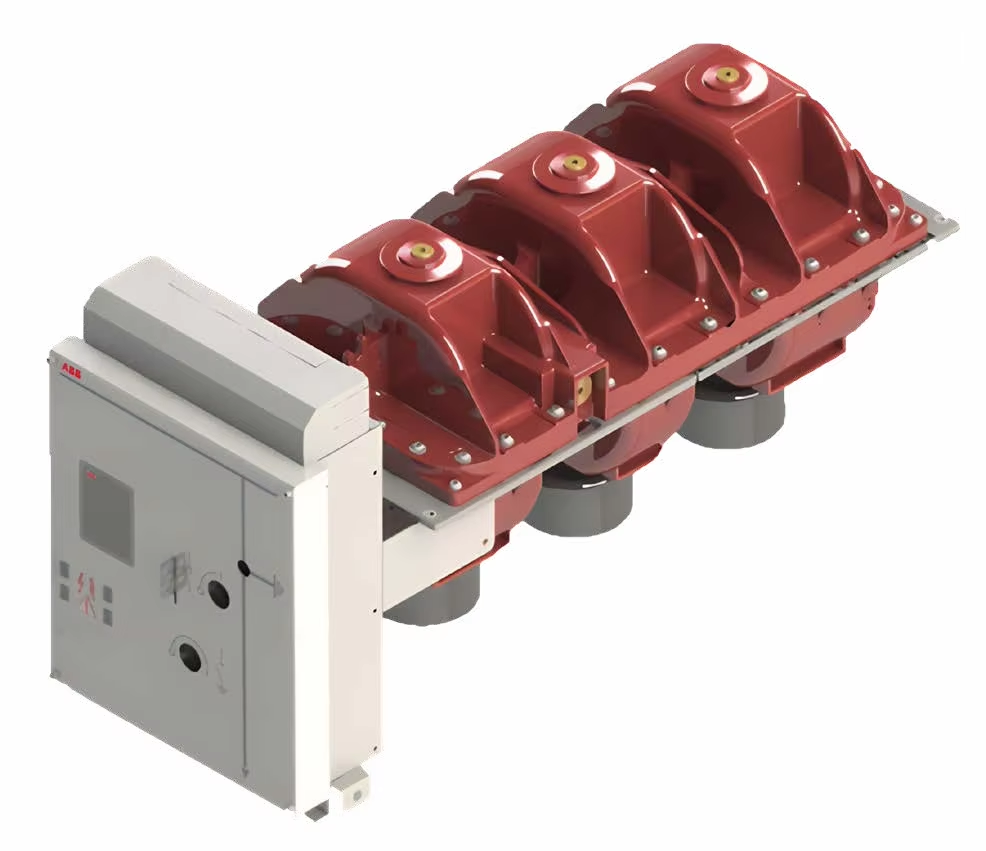
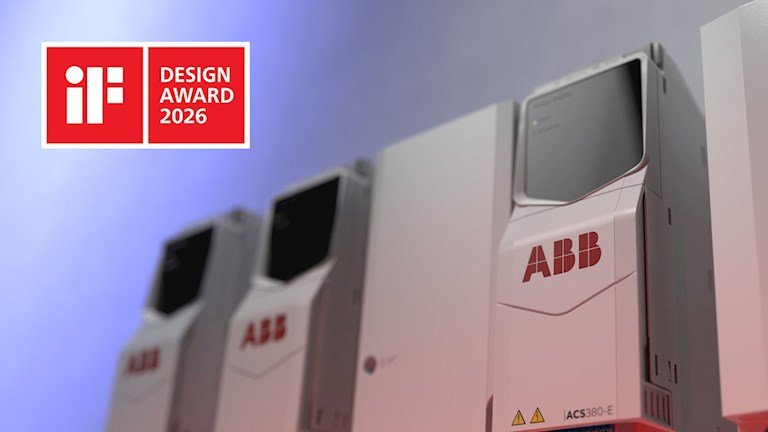
Rules around fluorinated gases are closing in on medium-voltage switchgear. If you’re tracking the move away from SF6, ABB’s GSec Air shows what that shift looks like in real equipment. It brings dry air insulation, ...
Read more
ABB SACE Emax 3 – Advanced Air Circuit Breaker for Smart Power Distribution
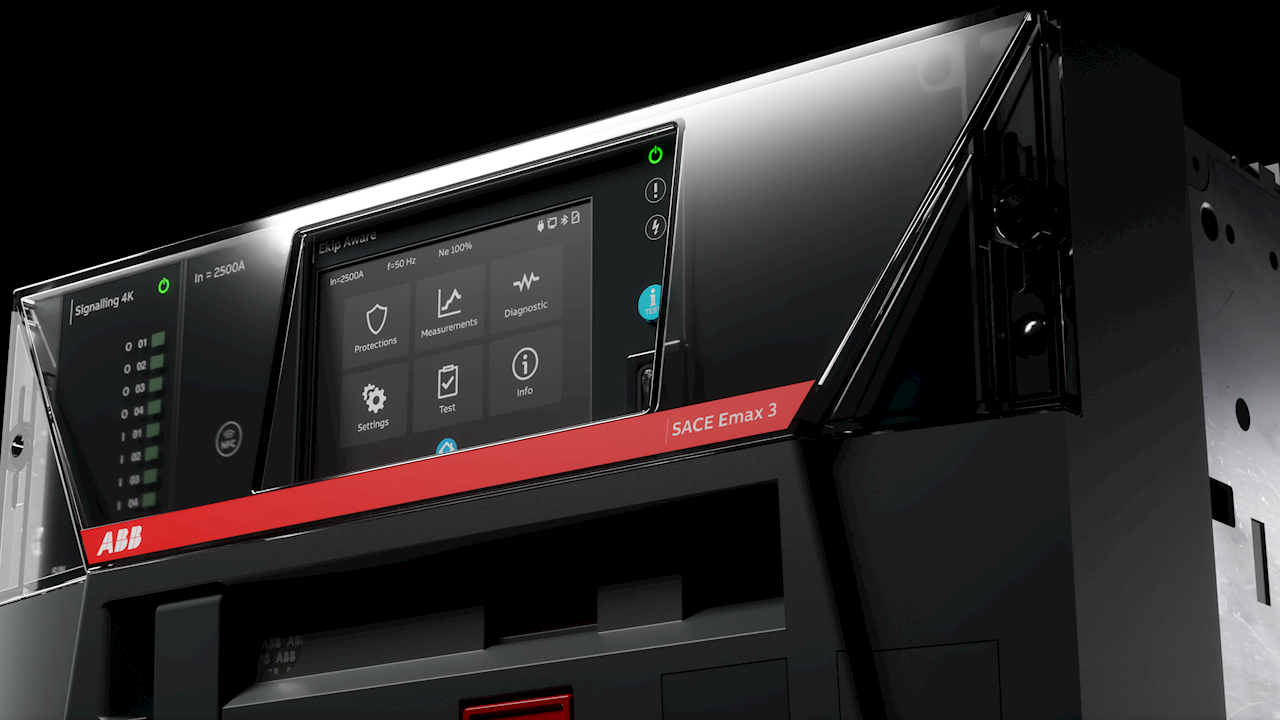
The ABB SACE Emax 3 is ABB’s latest generation intelligent air circuit breaker (ACB) designed to deliver maximum protection, digital connectivity, energy efficiency, and operational reliability for modern electrical distribution systems. Built for Industry 4.0 ...
Read more
ABB EMS Copilot Brings Generative AI to Industrial Energy Management
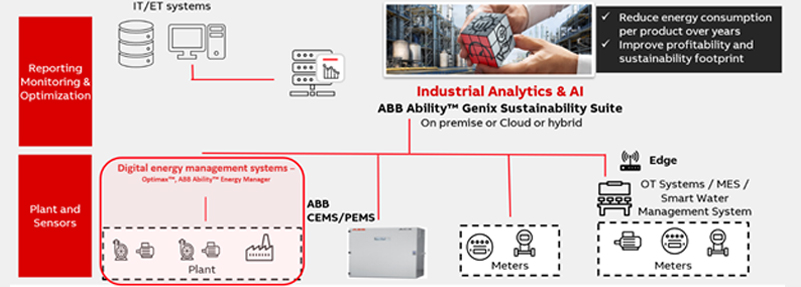
Energy teams already have the data. The real problem is getting a clear answer before another report, filter, or dashboard slows the work down. ABB’s latest message is simple: generative AI can help turn dense ...
Read more
Understanding Medium Voltage Switchgear: AIS, GIS, VCB, RMU & Protection
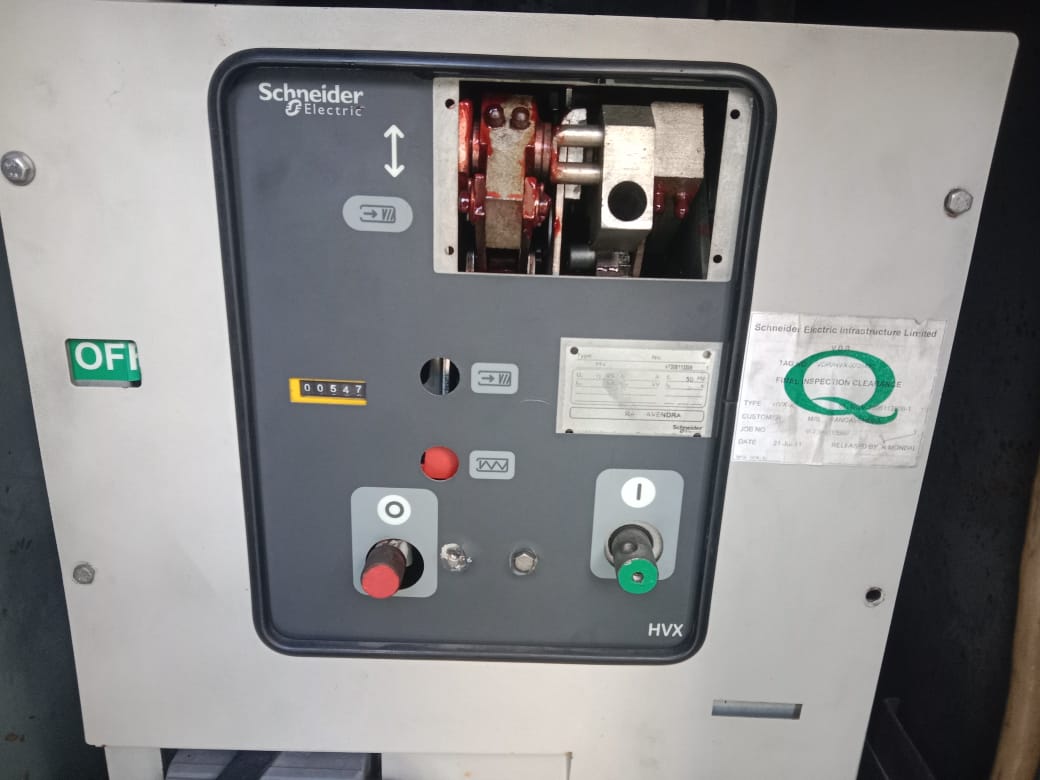
Medium Voltage (MV) switchgear is one of the most important components in modern power distribution systems. It ensures the safe control, protection, and isolation of electrical equipment operating typically between 1 kV and 52 kV. ...
Read more
Medium Voltage Cable Types, Installation Methods & Testing Procedures

Medium Voltage (MV) cables are one of the most critical elements in modern power distribution networks. They ensure reliable, efficient, and safe transmission of electricity across industrial plants, commercial complexes, renewable energy projects, and utility ...
Read more
What Is a Current Transformer (CT)? Working, Uses & Applications
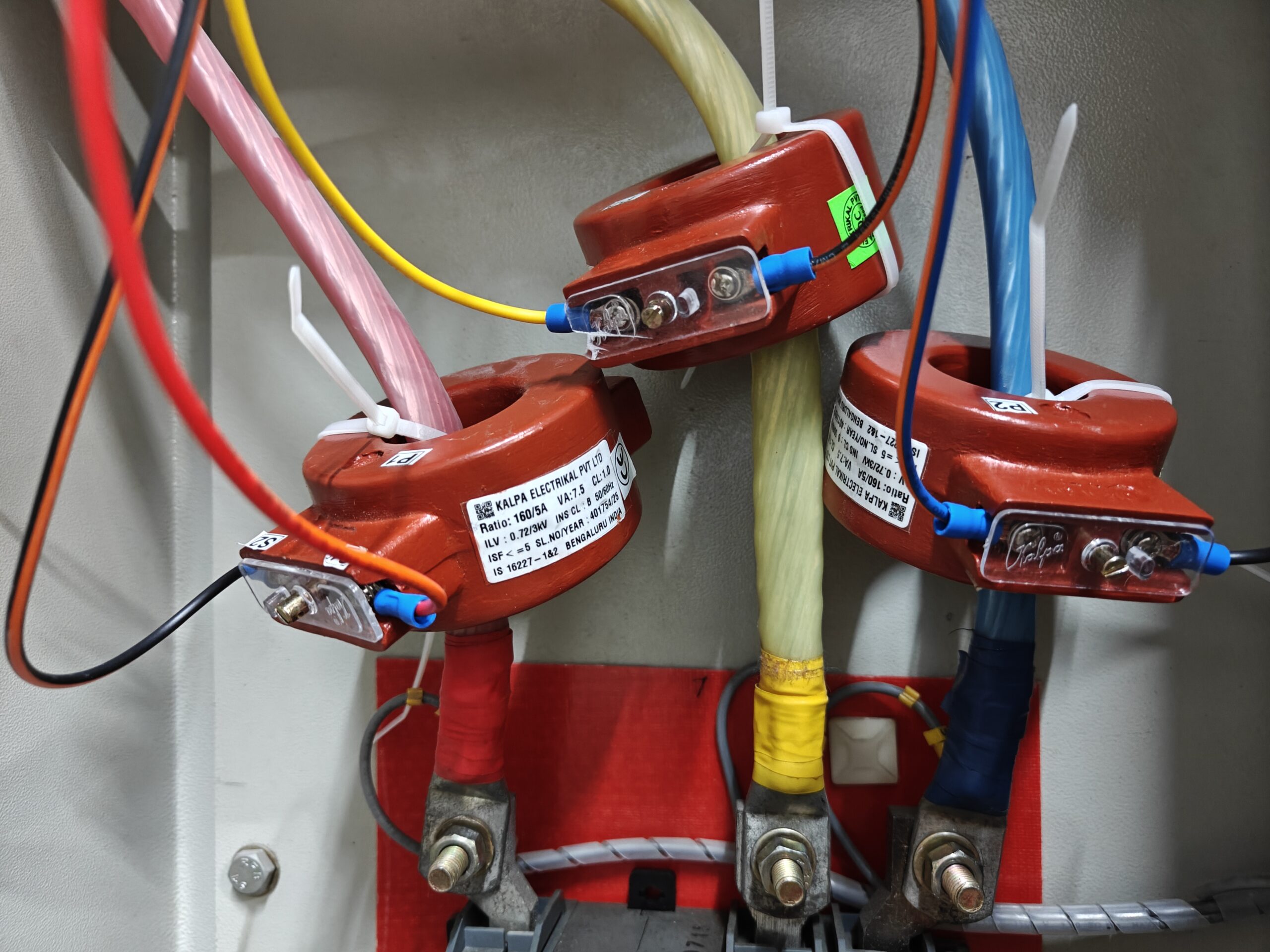
Introduction A Current Transformer (CT) is a vital component used in electrical systems for measuring and monitoring current flow safely. CTs are commonly found in electrical panels of industries, commercial buildings, and power distribution networks. ...
Read more
Top 10 Automation Companies in the World (2026 Updated Ranking)

The global automation industry is entering its most exciting era yet. From smart factories and autonomous robots to AI-driven decision-making and hyper-efficient production lines, automation is transforming the way the world works—faster and deeper than ...
Read more
Open Software-Defined Automation: Real-World Use Cases & Why It Matters in 2026

The year 2026 marks a major turning point in industrial automation. Traditional PLC-centric architectures are being replaced with something far more flexible, scalable, and future-ready — Open Software-Defined Automation (OSDA). This paradigm shift is reshaping ...
Read more
Schneider EasyCom Communication Module for EasyPact MVS – Smart Communication for Modern Power Systems
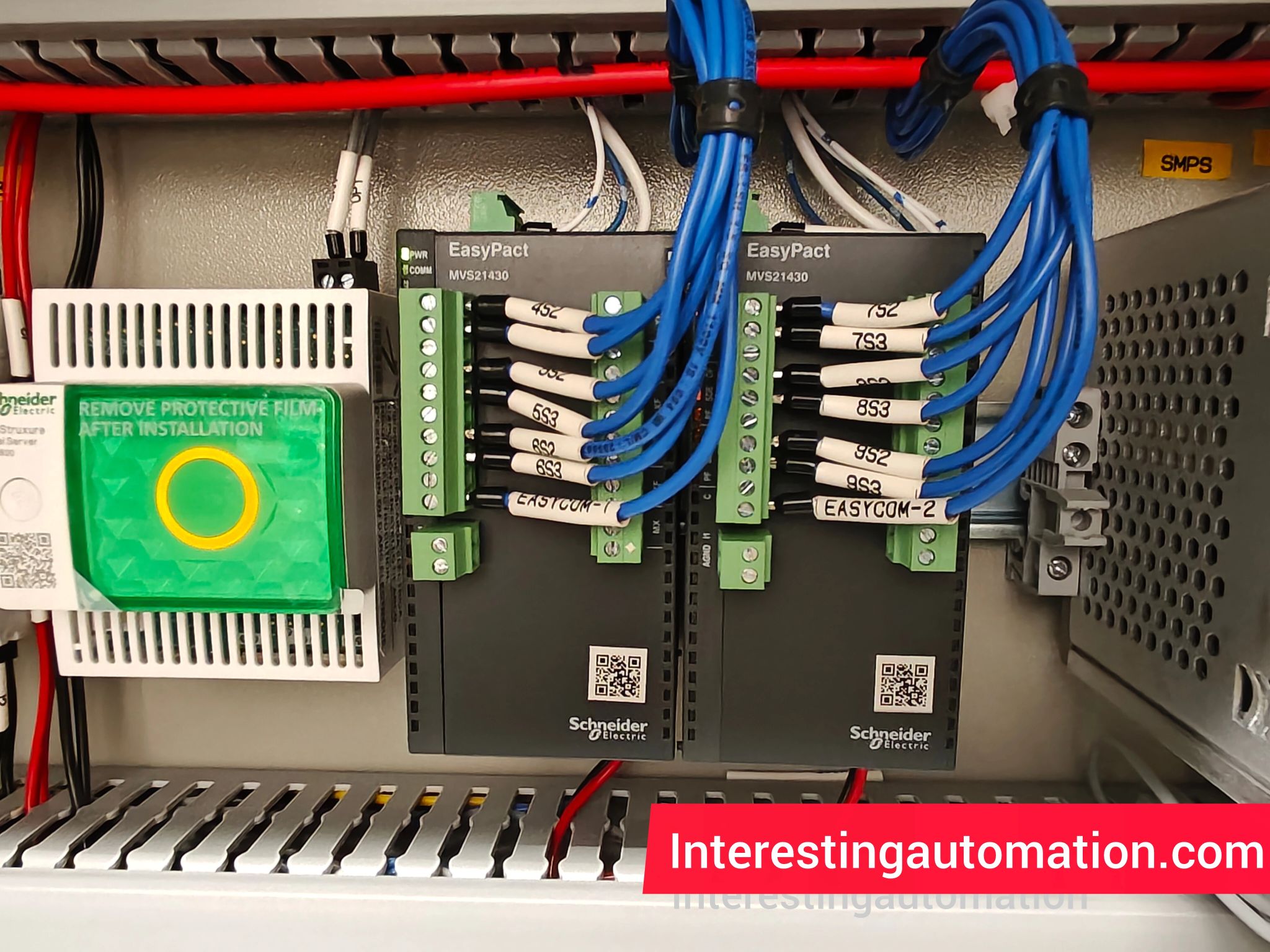
” Explore the Schneider EasyCom Communication Module for EasyPact MVS – a powerful Modbus-based solution that enhances circuit breaker connectivity, remote monitoring, and smart energy management. “ 1. Introduction In the modern era of digital ...
Read more
ABB SafeRing and SafePlus Air 24kV – SF6-Free Gas-Insulated Switchgear for Modern Power Distribution

” ABB SafeRing and SafePlus Air 24kV are SF6-free gas-insulated switchgear solutions designed for safe, compact, and eco-efficient power distribution. Discover how SafeRing and SafePlus Air offer reliability, safety, and sustainability with zero GWP insulation ...
Read more


![Voltage Sag vs Interruption: Causes, Impact, and Fixes A plant can lose a production line from a blink of power, even when the lights come back almost at once. If you've seen a VFD trip, a contactor drop out, or a PLC reset after a split-second dip, you've seen power quality turn into a production problem. The issue is often not a full outage. It's a short voltage event that sensitive equipment can't ride through. Start with the basics, and the failure starts to make sense. What voltage sag and interruption mean A voltage sag is a short drop in RMS voltage below normal, usually to 10% to 90% of rated voltage, for 0.5 cycles up to 1 minute. In a 415 V system, a brief drop to 280 V or 250 V is a sag, not a blackout. Duration matters. If voltage stays low for more than a minute, that is usually undervoltage, not sag. A sag arrives fast, recovers fast, and can still stop a machine. This quick comparison makes the difference easier to see: EventWhat happensTypical durationVoltage sagVoltage drops but does not go to zero0.5 cycles to 1 minuteVoltage interruptionVoltage is zero or near zeroLess than 1 minuteUndervoltageVoltage stays below normal for longerMore than 1 minute An interruption is more severe because supply is lost completely, or almost completely, for less than a minute. If it clears in a few seconds after auto-reclosing, it is a momentary interruption. If it stays off beyond a minute, it becomes a sustained interruption. Why these events happen The most common cause is a fault on the power system. That could be a single line-to-ground fault, line-to-line fault, double line-to-ground fault, or a three-phase fault. When fault current rises, voltage drops across the network until protection clears the problem. If the fault is on your feeder, you may see a sag first and then an interruption when the breaker opens. If the fault is on another feeder from the same substation, your breaker may never trip, but your plant can still see a bus voltage dip. That is why equipment can trip even when "our feeder never opened." Large motor starting is another frequent cause. An induction motor can draw five to seven times full-load current during start. In a weak system, or where the motor is large compared with the transformer, that inrush can create a temporary sag. Transformer energization, capacitor switching, welding loads, arc furnaces, and sudden heavy loading can do the same. Why a tiny dip can stop a large machine > The main motor may ride through a sag, but the control power often won't. Older plants had more electromechanical loads, and many of them tolerated short dips. Modern plants rely on PLCs, VFDs, servo drives, electronic power supplies, sensors, relays, and SCADA. Those devices make automation possible, but many are more sensitive to voltage dips than the motor they control. Massive steel control panels and heavy machinery dominate the floor as overhead lights cast a chaotic, flickering glow. Sharp shadows and sparks suggest a sudden surge in the facility power grid. [https://user-images.rightblogger.com/ai/f382171e-d1b1-4320-b7eb-289d9b53ee27/industrial-factory-power-instability-93e17dc7.jpg] A short sag may not stop a spinning motor because inertia keeps it moving. Still, the contactor coil can drop out, the VFD can detect undervoltage, and the PLC power supply can reset. Once the control chain breaks, the process stops. In process plants, that can mean lost batches, reset time, scrap, labor loss, and delayed delivery. Magnitude and duration both matter. Some equipment can tolerate 80% voltage for five cycles, but not 40% for the same time. That is why ride-through curves matter, and why event recording matters too. Good monitoring tools, such as monitoring power quality with PME 2024 R2 [https://www.interestingautomation.com/schneider-pme-2024-r2/], help capture minimum voltage, duration, and affected phases. Practical ways to reduce voltage sag problems The most cost-effective fix starts with the weak point. If a 200 kW machine trips because a 230 V PLC supply resets, you usually do not need to protect the whole machine. You need to protect the control power. * Specify ride-through performance when buying critical PLCs, drives, relays, and controls. * Add a small UPS, DC backup, or capacitor ride-through module for control power. * Use a voltage sag compensator or dynamic voltage restorer for sensitive process loads. * Apply online UPS systems where transfer time cannot be tolerated. * Consider motor-generator or flywheel systems where short interruptions happen often. * Use static transfer switches only when the two sources are truly independent. Source quality matters too. Utilities reduce events with better protection coordination, faster fault clearing, line maintenance, tree trimming, and feeder automation. On the plant side, grid automation and fault visibility also help, which is why tools for using Easergy T300 for fault detection [https://www.interestingautomation.com/brief-explain-easergy-t300-features-benefits-and-complete-guide/] are relevant in systems that need faster disturbance response. Final thoughts A blink in voltage can do more damage to production than a short outage, because the failure often happens inside the control system before anyone sees a breaker trip. That is the core lesson behind voltage sag and interruption studies. The best fix is rarely the biggest one. Find what actually trips, measure how deep and how long the event lasts, and protect the most sensitive part first. A brief dip should not turn into hours of downtime.](https://www.interestingautomation.com/wp-content/uploads/2026/05/Voltage-Sag-vs-Interruption-Causes-Impact-and-Fixes-150x150.jpg)