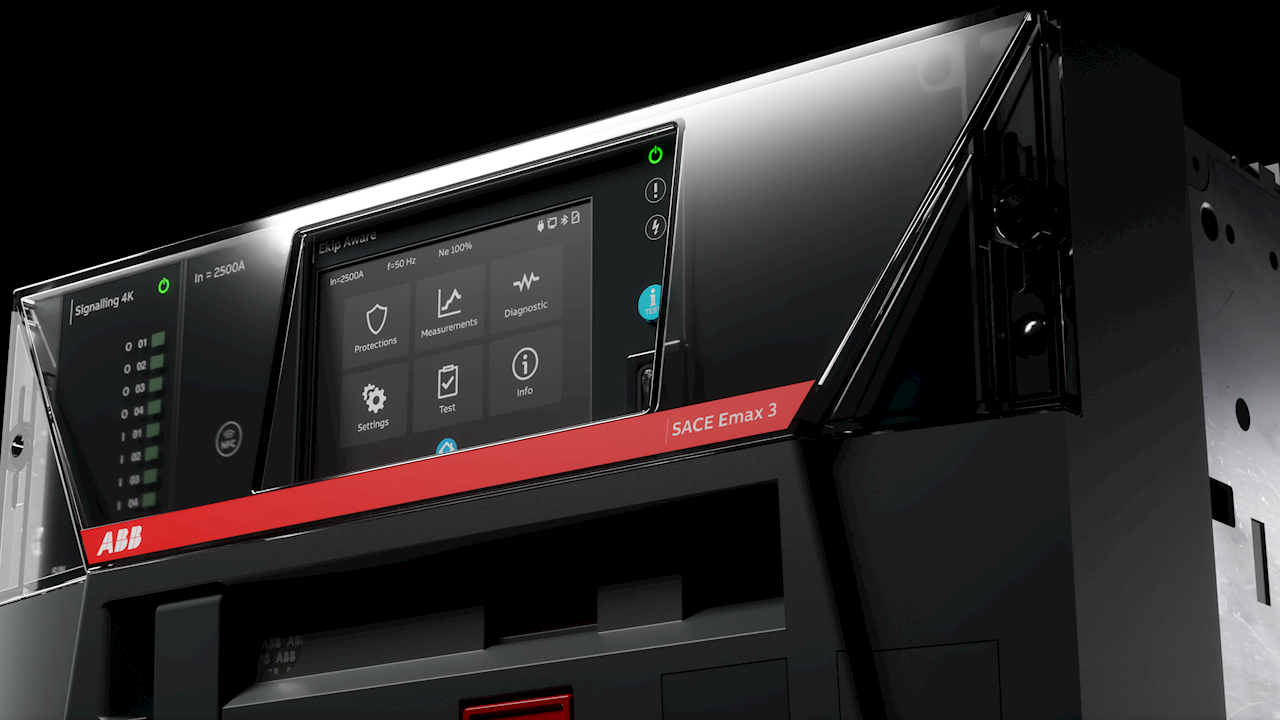
The ABB SACE Emax 3 is ABB’s latest generation intelligent air circuit breaker (ACB) designed to deliver maximum protection, digital connectivity, energy efficiency, and operational reliability for modern electrical distribution systems. Built for Industry 4.0 environments, the Emax 3 combines advanced protection technology with smart monitoring capabilities, making it one of the most innovative low-voltage power protection solutions available today.
From industrial automation plants to commercial buildings, data centers, and renewable energy systems, the ABB SACE Emax 3 offers a future-ready platform that improves electrical safety, minimizes downtime, and enhances energy management.
What is ABB SACE Emax 3?
The ABB SACE Emax 3 is a low-voltage air circuit breaker designed to protect electrical systems against overloads, short circuits, ground faults, and other abnormal electrical conditions. Unlike traditional circuit breakers, Emax 3 integrates intelligent digital technologies that allow users to monitor energy usage, analyze system performance, and remotely manage electrical assets in real time.
The breaker is engineered for high-performance applications where reliability, continuity of service, and advanced system protection are critical. It is suitable for both main incoming power distribution and critical feeder protection applications.
Key Features of ABB SACE Emax 3
1. Intelligent Digital Trip Units
One of the most advanced features of the ABB SACE Emax 3 is its intelligent electronic trip unit system. The breaker continuously monitors electrical parameters and provides accurate protection functions for improved power system reliability.
Advanced Protection Functions Include:
- Overload protection
- Short-circuit protection
- Instantaneous fault protection
- Ground fault protection
- Arc flash mitigation
- Selective coordination
- Zone selectivity
The smart trip units also provide detailed diagnostics and event recording, helping maintenance teams quickly identify and resolve issues.
2. Real-Time Energy Monitoring
The ABB SACE Emax 3 acts as both a protection device and an energy management system. It measures and monitors:
- Voltage
- Current
- Frequency
- Active power
- Reactive power
- Power factor
- Energy consumption
- Harmonic distortion
This real-time data allows facility managers to optimize energy usage, reduce electricity costs, and improve overall system efficiency.
3. Industry 4.0 and IoT Connectivity
Modern industrial facilities require smart connected devices, and the Emax 3 is fully prepared for digital transformation. The breaker supports advanced communication protocols such as:
- Modbus
- Profibus
- Ethernet/IP
- IEC 61850
- Profinet
This allows seamless integration with:
- SCADA systems
- Building Management Systems (BMS)
- Energy Management Systems (EMS)
- Industrial automation platforms
- Cloud-based monitoring solutions
Remote monitoring and predictive maintenance capabilities help reduce unplanned downtime and improve operational efficiency.
High-Performance Electrical Protection
The ABB SACE Emax 3 is engineered to deliver exceptional electrical protection performance in demanding environments. Its fast fault detection and interruption technology help protect critical electrical equipment from severe damage caused by electrical faults.
Benefits of Advanced Protection:
- Improved electrical system reliability
- Reduced equipment damage
- Increased operational safety
- Lower maintenance costs
- Faster fault isolation
- Better power continuity
The breaker is especially suitable for mission-critical applications such as hospitals, data centers, industrial plants, and infrastructure projects.
Enhanced Safety Features
Safety is one of the strongest advantages of the ABB SACE Emax 3. ABB integrates several advanced safety technologies to protect operators and electrical systems.
Key Safety Features:
- Arc flash reduction technology
- Remote opening and closing operation
- Mechanical safety interlocks
- Isolation verification
- Selective protection coordination
- Safe maintenance functionality
These features help minimize electrical hazards and improve workplace safety standards in industrial environments.
Compact and Modular Design
The Emax 3 is designed with a compact footprint that saves valuable panel space while maintaining high performance. Its modular construction simplifies installation, upgrades, and maintenance.
Available Configurations:
- Fixed type circuit breaker
- Withdrawable type circuit breaker
- Multiple frame sizes
- Flexible accessory options
The modular approach allows easy customization based on application requirements.
Energy Efficiency and Sustainability
Energy efficiency is becoming increasingly important in modern industries, and ABB designed the Emax 3 with sustainability in mind.
Sustainability Benefits:
- Reduced energy losses
- Improved power quality
- Intelligent load management
- Lower carbon footprint
- Optimized electrical consumption
By improving energy efficiency, businesses can reduce operational costs while supporting environmental sustainability goals.
Applications of ABB SACE Emax 3
The ABB SACE Emax 3 is widely used across multiple industries and critical infrastructure applications.
Industrial Applications
- Manufacturing plants
- Process industries
- Oil and gas facilities
- Chemical plants
- Mining operations
Commercial Applications
- Commercial buildings
- Shopping malls
- Airports
- Hotels
- Hospitals
Critical Infrastructure
- Data centers
- Utility substations
- Renewable energy systems
- Smart grids
- Water treatment facilities
Advantages of ABB SACE Emax 3
Why Industries Choose Emax 3
Smart Power Distribution
The breaker provides intelligent energy management and advanced monitoring capabilities.
High Reliability
Designed for long operational life with minimal maintenance requirements.
Improved Safety
Advanced protection functions reduce electrical hazards and arc flash risks.
Reduced Downtime
Predictive diagnostics and remote monitoring improve system availability.
Future-Ready Connectivity
Supports digital industrial automation and smart grid integration.
Cost Optimization
Improves energy efficiency and lowers maintenance expenses.
ABB SACE Emax 3 Technical Highlights
Core Technical Features
- Low-voltage air circuit breaker technology
- Intelligent electronic trip units
- High interrupting capacity
- Real-time communication support
- Remote monitoring capability
- Digital metering functions
- Predictive maintenance support
- Industry 4.0 compatibility
Why ABB SACE Emax 3 is the Future of Smart Circuit Protection
The electrical industry is moving toward digital power management and intelligent automation. The ABB SACE Emax 3 stands out as a next-generation solution that combines electrical protection, energy optimization, remote connectivity, and predictive maintenance into a single platform.
Its advanced smart features help organizations improve electrical reliability, optimize energy usage, and support digital transformation initiatives. Whether used in industrial automation, commercial power systems, or smart infrastructure projects, the Emax 3 delivers powerful performance and long-term operational value.
Conclusion
The ABB SACE Emax 3 is more than just an air circuit breaker — it is a complete intelligent power management solution. With advanced protection technology, real-time monitoring, Industry 4.0 connectivity, and energy-efficient operation, it provides the reliability and intelligence required for modern electrical systems.
For industries seeking smarter, safer, and more efficient power distribution, ABB SACE Emax 3 offers a future-ready solution that meets the growing demands of digital industrial infrastructure.