Focus Keyword: Schneider PME 2024 R2
SEO Title: Schneider PME 2024 R2: Features, Benefits, Installation & Download Guide
Permalink: schneider-pme-2024-r2-download-guide
Meta Description: Discover Schneider PME 2024 R2 with new features, performance improvements, installation details, and a download guide for modern energy management systems.
Schneider PME 2024 R2: Smarter Energy Management for Modern Industries
As industries continue moving toward digital transformation and intelligent power management, advanced monitoring software has become a necessity. Schneider PME 2024 R2 (Power Monitoring Expert) introduces enhanced capabilities for energy visibility, power quality analysis, and system performance optimization. Built for industrial plants, commercial buildings, utilities, and critical infrastructure, PME 2024 R2 delivers better analytics, improved usability, and stronger cybersecurity features.
Organizations today require real-time insights into energy consumption and electrical systems. Schneider Power Monitoring Expert has long been a trusted platform, and the 2024 R2 release takes energy intelligence to a higher level.
What is Schneider PME 2024 R2?
PME (Power Monitoring Expert) is Schneider Electric’s advanced software platform designed to collect, analyze, and manage electrical distribution system data. It helps organizations monitor power usage, improve efficiency, identify electrical issues, and reduce operational costs.
The latest PME 2024 R2 version introduces improvements in:
- Performance optimization
- Enhanced reporting features
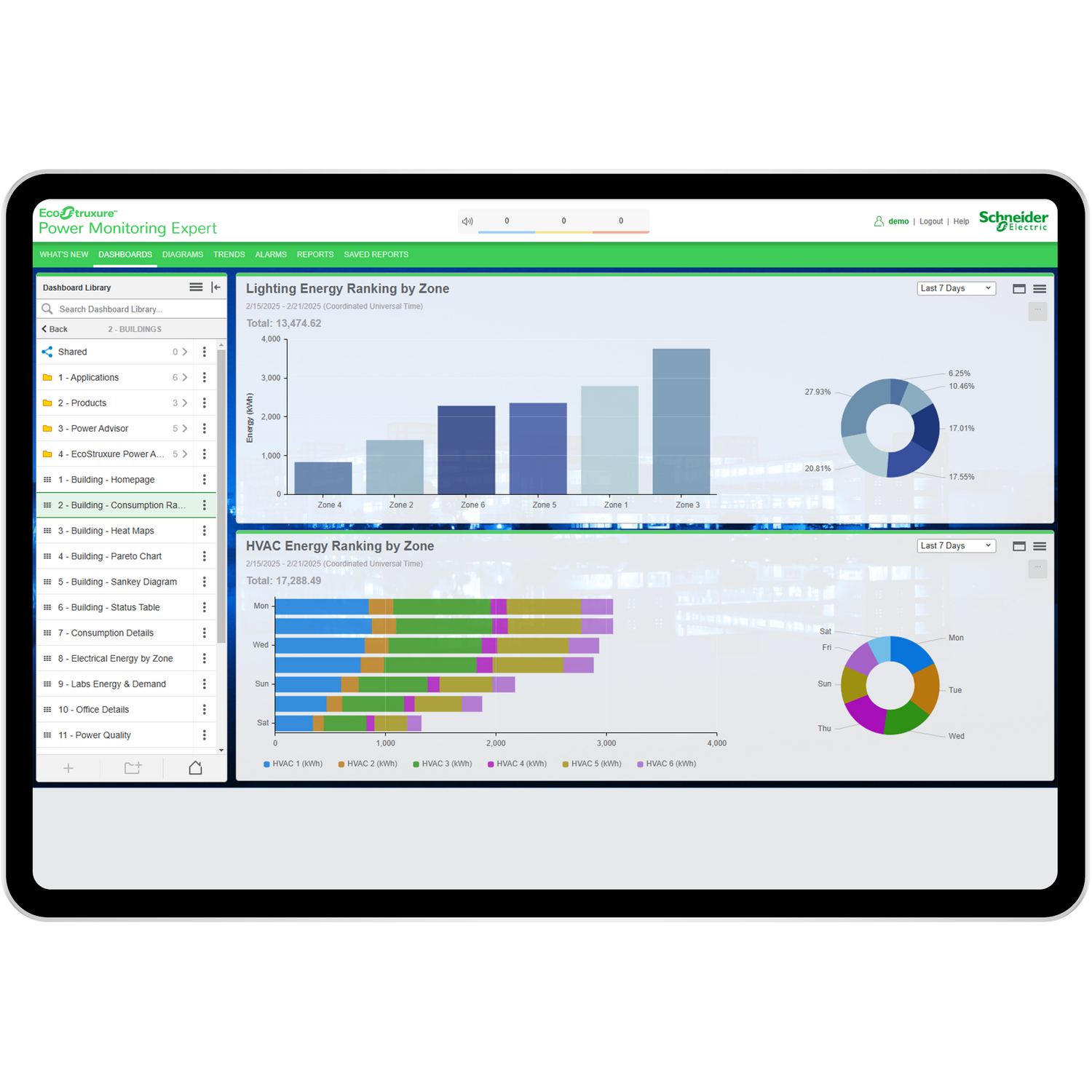
- Better dashboard visualization
- Increased cybersecurity protection
- Improved device compatibility
- Advanced energy analytics
These updates make it easier for engineers and facility managers to transform raw electrical data into meaningful business insights.
Key Features of Schneider PME 2024 R2
1. Enhanced Dashboard Experience
PME 2024 R2 introduces improved dashboard layouts that provide faster access to critical system information. Users can customize widgets and create personalized monitoring views.
Benefits include:
- Better visibility of electrical assets
- Real-time KPI monitoring
- Easier navigation
- Faster troubleshooting
2. Advanced Energy Analytics
Energy analytics capabilities help identify:
- Energy wastage
- Unexpected power spikes
- Load patterns
- Peak demand events
Organizations can use this information to optimize operational efficiency and reduce utility costs.
3. Improved Cybersecurity
Cybersecurity remains one of the biggest concerns in industrial automation and energy management. PME 2024 R2 incorporates security enhancements designed to help protect connected infrastructure and maintain compliance with modern IT standards.
Security enhancements include:
- Updated security protocols
- Improved authentication
- Better system protection mechanisms
- Secure communication enhancements
4. Better Device Integration
Schneider PME supports integration with a broad range of devices including:
- Power meters
- Circuit breakers
- Protection relays
- Industrial communication systems
- IoT-enabled devices
This allows users to create a complete view of their electrical network.
5. Power Quality Monitoring
Power quality problems can result in:
- Equipment damage
- Downtime
- Production losses
PME 2024 R2 helps users monitor:
- Voltage events
- Harmonics
- Frequency disturbances
- Sag and swell conditions
This proactive monitoring helps avoid expensive disruptions.
Benefits of Using Schneider PME 2024 R2
Reduce Energy Costs
Real-time data allows organizations to identify inefficient equipment and optimize power usage.
Improve System Reliability
Continuous monitoring helps detect issues before they become critical failures.
Increase Operational Efficiency
Automated reporting and analytics reduce manual work and improve decision-making.
Support Sustainability Goals
Organizations can track energy usage and carbon reduction initiatives more effectively.
Schneider PME 2024 R2 System Requirements
Before installation, verify that your environment meets recommended requirements:
- Compatible Windows Server operating system
- Supported SQL Server version
- Adequate RAM and storage
- Network connectivity for device communication
- Latest security updates installed
Always review official documentation before deployment.
Schneider PME 2024 R2 Download
To download the latest version of Schneider Power Monitoring Expert 2024 R2, visit the official Schneider Electric software and support portal:
You can search for:
“Power Monitoring Expert 2024 R2”
From the portal you can access:
- Software packages
- Updates and patches
- Documentation
- Release notes
- Installation guides
Why PME 2024 R2 Matters
Modern facilities generate enormous amounts of operational data. However, data alone does not create value. PME 2024 R2 transforms complex electrical information into actionable intelligence that helps businesses make smarter decisions.
Whether you operate a manufacturing facility, data center, utility infrastructure, or commercial building, Schneider PME 2024 R2 provides the tools needed to improve reliability, reduce costs, and support long-term energy strategies.
Final Thoughts
Schneider PME 2024 R2 is more than an energy monitoring platform—it’s a complete power management solution for organizations seeking efficiency, visibility, and smarter operations. With improved analytics, stronger security, and expanded functionality, this release helps businesses stay prepared for future energy challenges.
If you’re planning an upgrade or new deployment, PME 2024 R2 offers significant improvements that can help modernize your electrical infrastructure and optimize performance.