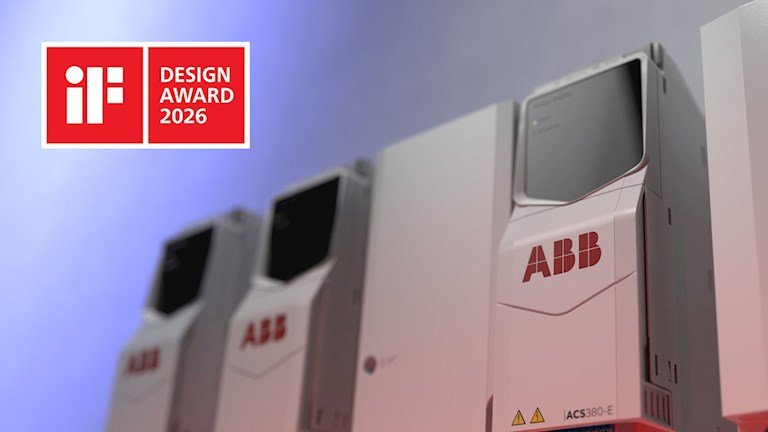
Brazil’s sugarcane harvest depends on a chain of equipment that can’t afford to lose its rhythm. When power systems, motors, controls, and plant teams work in step, mills can protect production consistency while using energy with greater care.
At Fenasucro 2026, ABB focused on that operational reality. Its message centered on automation, electrification, Motion technology, and closer relationships with mills and equipment manufacturers.
Table of Contents
Fenasucro 2026 Put Reliability at the Center
Fenasucro brings together the people behind sugar, ethanol, bioenergy, equipment, and industrial services. For mill operators, the event is a place to compare approaches to familiar pressure points: seasonal production windows, energy costs, aging equipment, maintenance demands, and the need to make every ton of cane count.
ABB used Fenasucro 2026 to reaffirm its commitment to productivity, energy efficiency, and sustainability in the sucroenergy sector. The company also described a broader commercial push, including renewed strategic accounts, expansion to additional mills, and new partnerships with equipment makers.
Productivity Depends on Stable Plant Operations
Productivity is more than a production target. It depends on stable processes, equipment that performs as expected, and the ability to spot an issue before it creates a longer stoppage.
Energy use sits inside that same equation. Pumps, conveyors, fans, crushers, and auxiliary systems all draw power while the mill is operating. Better control of those loads can support steadier production and reduce avoidable waste. A UN energy-efficiency profile of Brazil’s sugarcane and power sectors also highlights the connection between these industries.
Harvest Interruptions Carry a High Cost
A mill works as a connected system. When one critical electrical or mechanical component stops, the effect can spread to adjacent processes, maintenance schedules, and cane handling.
During a demanding harvest, reliability protects more than a single machine. It protects the timing of the entire operation.
That is why end users look beyond the equipment itself. They also need sound integration, technical support, clear documentation, and maintenance practices that fit the plant’s real conditions.
How ABB Technologies Support Sugarcane Mills
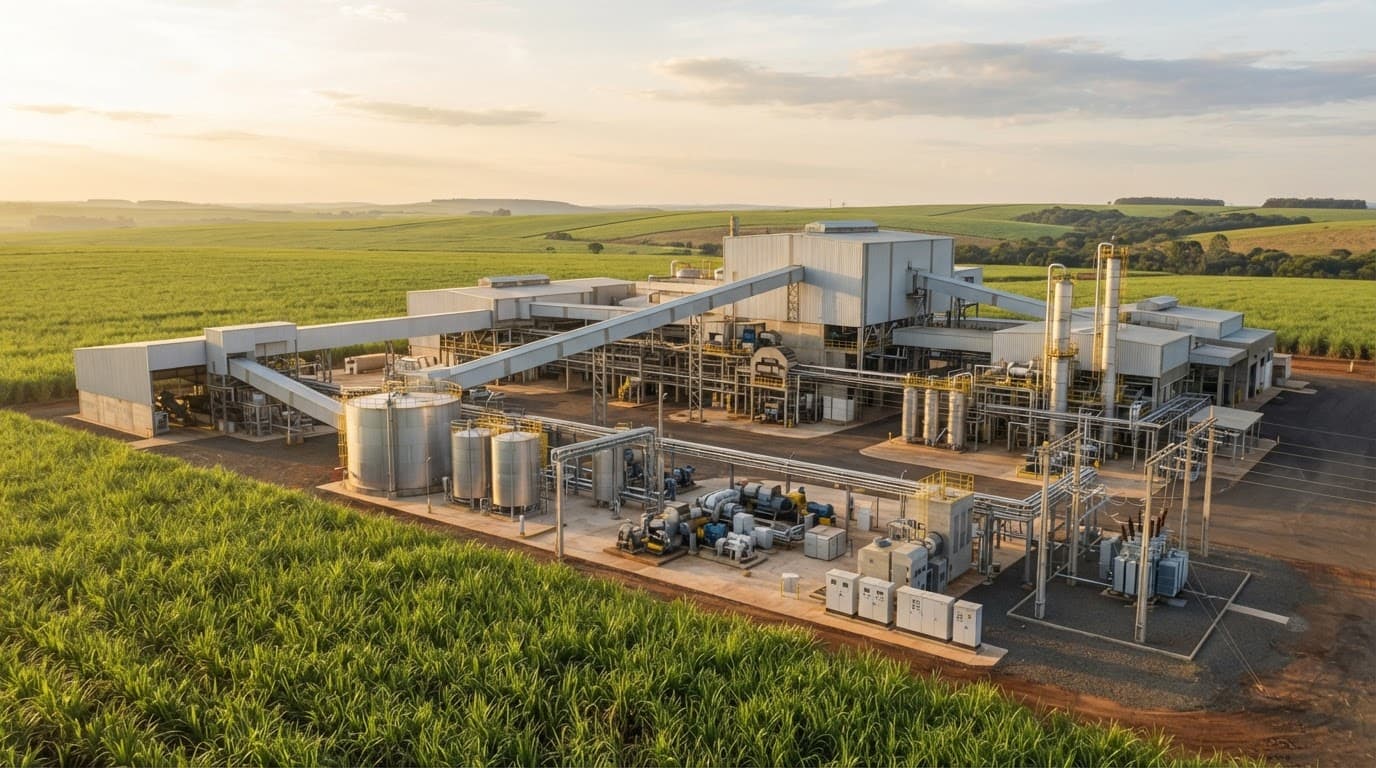
ABB presented a portfolio built around Automation, Electrification, and Motion. These areas address different parts of a mill, yet they have more value when plant teams treat them as connected pieces of one operating system.
Automation Improves Process Visibility
Automation gives operators timely visibility into equipment status and process conditions. In sugar and ethanol production, multiple stages must run together, so clearer information can help teams respond when conditions change.
Controls can support more consistent operation, but they don’t replace skilled operators, electricians, engineers, or maintenance crews. Good automation gives those teams better context for decisions and helps them identify patterns that may otherwise stay hidden in day-to-day production.
Electrification Supports Consistent Power Use
Electrification includes the systems that distribute, protect, monitor, and manage electrical power across a plant. Reliable infrastructure helps equipment operate safely and consistently while giving teams a clearer picture of where power is being used.
For mills assessing their own operations, industrial energy-efficiency strategies start with a simple principle: measure energy against useful output. That makes it easier to distinguish productive demand from waste, unusual peaks, or equipment that needs attention.
Motion Controls Motor-Driven Equipment
Motion technology concerns the motors and mechanical equipment that keep materials and fluids moving through a facility. Pumps, fans, conveyors, and other motor-driven systems need the right speed and torque for the job at hand.
Appropriate motor control can help protect equipment, improve process consistency, and avoid running machinery harder than necessary. For a closer look at this part of plant design, see variable frequency drives for industrial motors.
ABB’s Growth Strategy Relies on Closer Partnerships
ABB stated that it is strengthening its position in the Brazilian sucroenergy market by returning to strategic accounts, reaching new mills, and building partnerships with equipment manufacturers. Those actions matter because a technology project has to fit existing machinery, operating practices, and future investment plans.
Strategic Accounts Build Useful Operating Knowledge
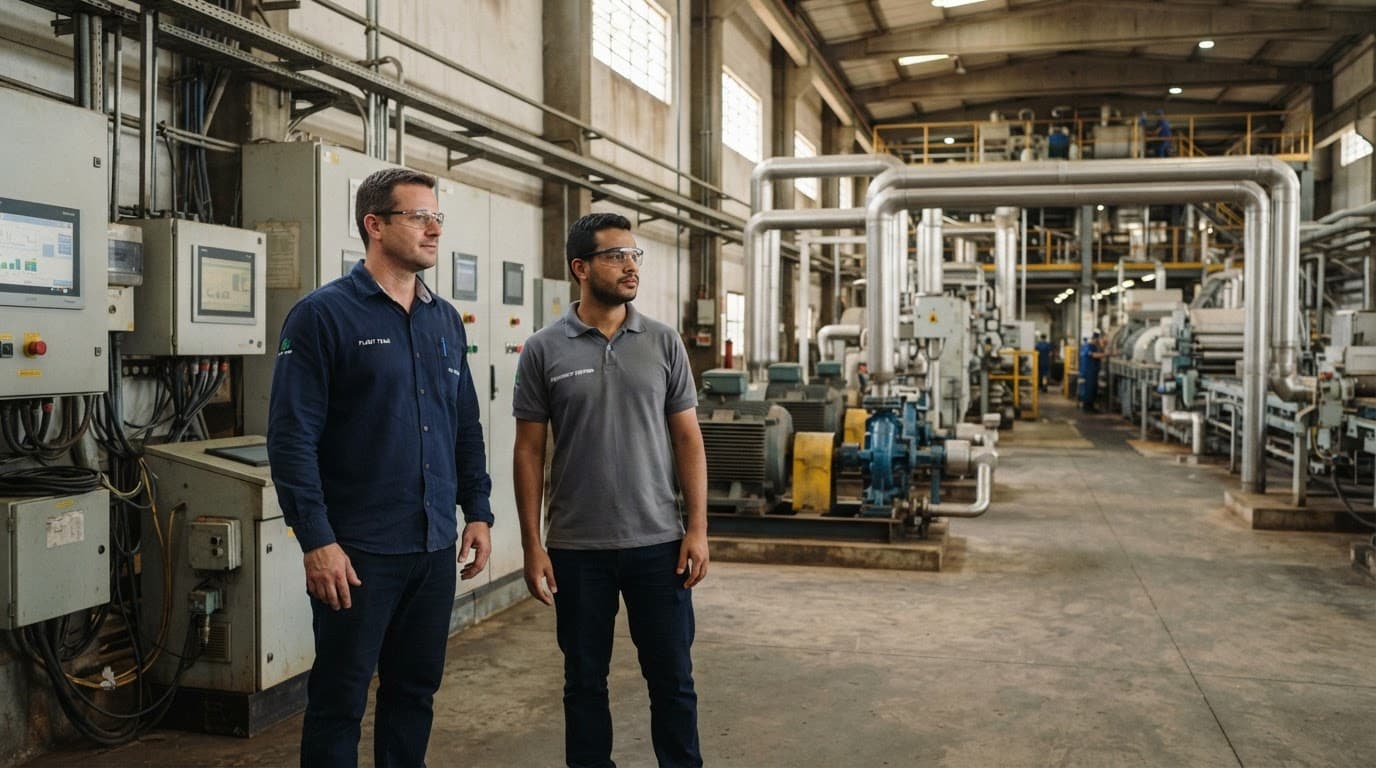
Long-term customer relationships can give a supplier a better understanding of a plant’s maintenance history, production priorities, constraints, and modernization plans. That knowledge can make technical discussions more practical.
A mill doesn’t benefit from a generic recommendation that ignores its installed base. Strong account relationships give both sides a better chance to define a project around the equipment and outcomes that matter most.
Equipment Partners Can Improve Integration
Partnerships with equipment manufacturers can help align electrical systems, automation components, and motor-driven machinery before installation and commissioning. Shared technical knowledge can also clarify responsibilities when a project moves from design into operation.
Compatibility should still be reviewed case by case. Mills and equipment builders should ask providers about plant experience, integration capability, spare-parts planning, cybersecurity awareness, training, and ongoing maintenance support.
Turning the Event Themes Into Mill Improvements
The message at Fenasucro 2026 is practical: sustainability depends on day-to-day operating results. Efficient electricity use, stable controls, and well-managed motors can support competitiveness while helping mills use resources more responsibly.
Research on ethanol and bioelectricity production in Brazilian sugarcane biorefineries shows why plant decisions often involve tradeoffs across energy and fuel production. Better information helps teams make those decisions with greater confidence.
Start With the Biggest Sources of Loss
A focused assessment often produces a better first project than an attempt to modernize everything at once. Teams can review unplanned downtime, recurring maintenance work, energy-intensive equipment, process bottlenecks, and inconsistent operating conditions.
Before investing, establish a baseline. Track the current uptime, energy use per unit of production, maintenance frequency, process stability, safety incidents, or product quality measures that relate to the project’s goal.
Put People and Metrics Alongside Technology
New systems need trained operators, electricians, engineers, and maintenance teams. Commissioning support, accurate documentation, and a realistic maintenance plan matter long after equipment is installed.
Metrics should be agreed upon before implementation, then reviewed after the change is in service. A Frontiers analysis of Brazil’s sugarcane-ethanol chain and decarbonization credits also links lifecycle performance in the sector to RenovaBio’s carbon-credit framework, reinforcing the need for measurable operational improvements.
A Practical Path for More Competitive Mills
Brazil’s sucroenergy sector needs dependable operations during every harvest. ABB’s Fenasucro 2026 message brings that need into focus through automation, electrification, Motion technology, and closer work with customers and equipment partners.
The strongest projects begin with a real plant problem, a clear baseline, and teams prepared to operate the new system. Efficiency and reliability become more meaningful when mills can measure them in everyday production.