” Boost industrial efficiency with Schneider Electric motion control and robotics solutions for smart factories, Industry 4.0, and automation systems.”
Industrial automation is evolving rapidly, and motion control and robotics are leading the transformation. Modern industries demand faster production, higher precision, improved safety, and reduced operational costs. This is where Schneider Electric motion control and robotic solutions play a critical role in building smart factories for the future.
From manufacturing plants and packaging industries to automotive and logistics sectors, Schneider Electric delivers advanced motion control systems, servo drives, PLCs, robotics, and industrial automation software designed to improve productivity and efficiency.
What is Motion Control in Industrial Automation?
Motion control is a technology used to precisely control the movement of machines and mechanical systems. It involves the coordination of motors, drives, controllers, sensors, and software to achieve accurate motion in industrial processes.
Motion control systems are widely used in:
- CNC Machines
- Packaging Machines
- Conveyor Systems
- Robotics
- Printing Machines
- Material Handling
- Textile Machinery
- Automotive Production Lines
By integrating intelligent motion control, industries can achieve smoother operations, reduced downtime, and improved product quality.
Schneider Electric Motion Control Solutions
Schneider Electric offers a comprehensive portfolio of motion control products designed for modern industrial applications.
Key Schneider Electric Motion Products
1. Servo Drives and Servo Motors
Schneider Electric servo systems provide precise speed and position control for high-performance machinery. These systems are ideal for packaging, robotics, and automated assembly lines.
Benefits:
- High accuracy
- Faster machine response
- Energy efficiency
- Compact design
- Easy integration
2. Variable Frequency Drives (VFDs)
Schneider Electric VFDs help industries control motor speed while reducing energy consumption and operational costs.
Applications:
- Pumps
- Fans
- Conveyors
- Compressors
- HVAC Systems
Popular Schneider Electric drive series include:
- Altivar Drives
- Lexium Motion Systems
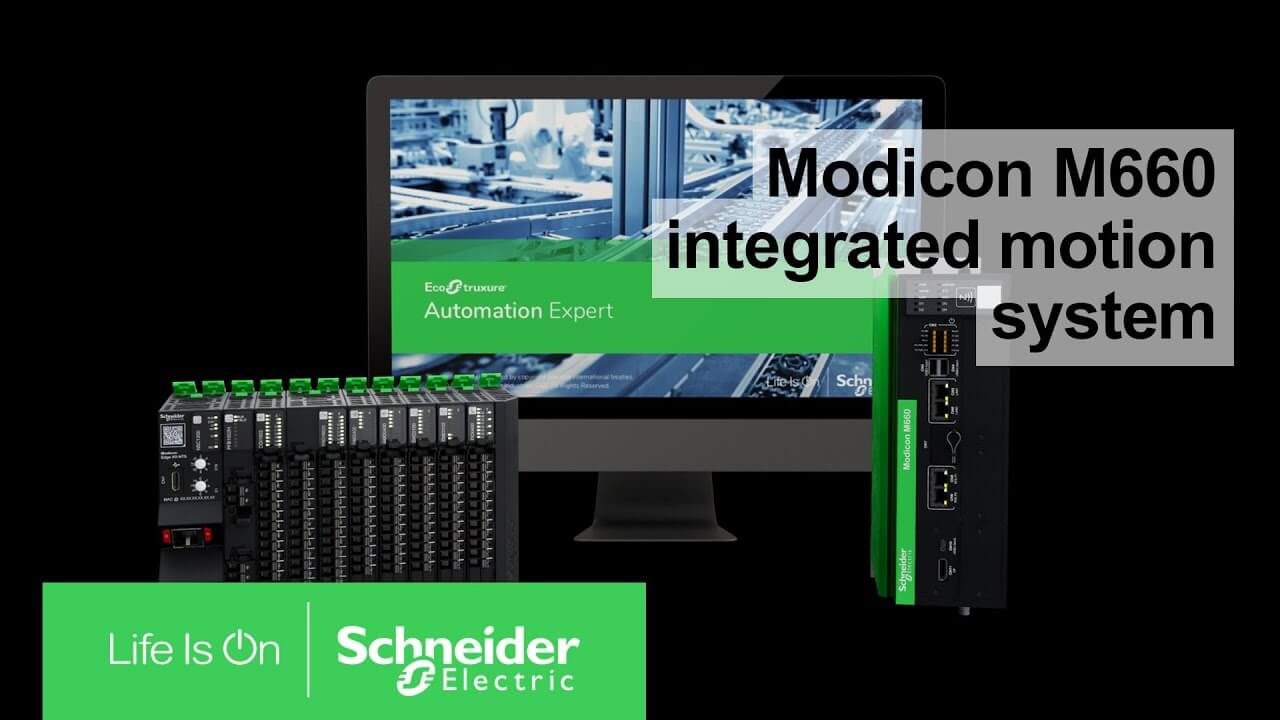
3. PLC and Motion Controllers
Programmable Logic Controllers (PLCs) combined with motion controllers allow synchronized machine operations and advanced automation capabilities.
Features:
- Real-time motion synchronization
- Multi-axis control
- High-speed communication
- Smart diagnostics
- Industrial IoT connectivity
Robotics in Industrial Automation
Industrial robots are transforming factories by improving speed, safety, and production consistency. Robotics reduces human error and increases operational efficiency across multiple industries.
Types of Industrial Robots
- Articulated Robots
- SCARA Robots
- Delta Robots
- Collaborative Robots (Cobots)
- Cartesian Robots
Schneider Electric integrates robotics with motion control and AI-powered automation systems to enable smart manufacturing environments.
Advantages of Schneider Electric Robotics Solutions
Increased Productivity
Robotics can work continuously with minimal downtime, significantly increasing production output.
Improved Precision
Advanced servo motion systems ensure accurate positioning and repeatability in industrial processes.
Enhanced Safety
Robotic automation minimizes human exposure to hazardous environments and repetitive tasks.
Energy Efficiency
Schneider Electric focuses on sustainable automation technologies that reduce energy consumption and carbon footprint.
Smart Factory Integration
Schneider solutions support Industry 4.0 technologies such as:
- Industrial IoT
- Predictive Maintenance
- Cloud Monitoring
- Digital Twin Technology
- Edge Computing
Industry Applications
Automotive Industry
Motion control and robotics are used for:
- Welding
- Painting
- Assembly
- Material Handling
Packaging Industry
Automation improves:
- Filling
- Labeling
- Sorting
- Palletizing
Food & Beverage Industry
Robotic systems ensure:
- Hygienic production
- Faster packaging
- Quality consistency
Pharmaceutical Industry
Precision motion systems support:
- Drug manufacturing
- Inspection systems
- Cleanroom automation
EcoStruxure: Smart Industrial Automation Platform
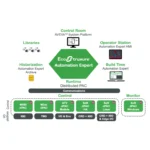
One of Schneider Electric’s most powerful technologies is EcoStruxure, an open, interoperable, IoT-enabled architecture.
EcoStruxure Benefits:
- Real-time monitoring
- Predictive analytics
- Remote diagnostics
- Energy optimization
- Cybersecurity integration
EcoStruxure helps industries create connected and intelligent manufacturing systems with improved operational visibility.
Future of Motion Control and Robotics
The future of industrial automation will be driven by:
- Artificial Intelligence (AI)
- Machine Learning
- Autonomous Robotics
- Smart Sensors
- Digital Manufacturing
- Industrial IoT
As factories become smarter, Schneider Electric continues to innovate with intelligent motion control and robotics technologies that support sustainable and efficient industrial growth.
Why Choose Schneider Electric for Industrial Automation?
Global Industry Leader
Schneider Electric is trusted worldwide for reliable and advanced automation solutions.
Innovative Technologies
The company continuously develops next-generation motion and robotic systems for modern industries.
Scalable Solutions
Schneider solutions are suitable for small factories, large industrial plants, and complex automation systems.
Sustainability Focus
Energy-efficient automation solutions help businesses reduce operational costs and environmental impact.
Conclusion
Motion control and robotics are revolutionizing industrial automation, enabling industries to achieve greater productivity, precision, and efficiency. With advanced automation technologies, intelligent robotics, and Industry 4.0 integration, Schneider Electric is shaping the future of smart manufacturing.
Businesses investing in Schneider Electric motion control and robotics solutions can improve operational performance, reduce costs, and stay competitive in the rapidly evolving industrial landscape.