Efficiency is crucial in today’s fast-paced business world, and one of the primary ways to achieve it is through effective energy management. At Schneider Electric, we understand the importance of maximizing efficiency and the role of energy management software in this regard. Our Schneider Electric PME solutions are designed to help businesses optimize their energy usage for various applications, including power monitoring, data center management, industrial automation, building management systems, electrical distribution, energy optimization, and facility management.
With Schneider Electric PME, businesses can identify energy inefficiencies, track usage, and implement strategies to reduce costs, increase productivity, and streamline operations.
Key Takeaways
- Schneider Electric PME solutions are designed to maximize efficiency in various industries.
- The software features energy management, power monitoring, data center management, industrial automation, building management systems, electrical distribution, energy optimization, and facility management capabilities.
- Schneider Electric PME enables businesses to achieve energy efficiency and streamline operations.
- The software seamlessly integrates with existing systems for a more holistic approach to energy management.
- Schneider Electric PME offers unmatched benefits such as energy optimization, cost savings, and operational efficiency.
Schneider Electric PME: A Comprehensive Energy Management Solution
At Schneider Electric, we understand that energy efficiency is crucial for businesses to achieve sustainability and cost savings. That’s why we developed Schneider Electric PME, a comprehensive energy management solution that empowers businesses to optimize their energy usage across various industries.
Schneider Electric PME software is more than just energy management software – it’s a complete solution for power monitoring, data center management, industrial automation, building management systems, electrical distribution, and energy optimization. With this software, businesses can track their energy consumption, analyze data, and make informed decisions to reduce costs and improve efficiency.
Power Monitoring
Efficient power monitoring is essential for businesses to understand their energy consumption patterns and optimize their usage. Schneider Electric PME software offers real-time visibility into energy usage and identifies areas where energy waste can be minimized. With Schneider Electric PME, businesses can monitor voltage, current, power quality, and other key energy parameters to ensure their systems are functioning optimally.
Data Center Management
Data centers are a critical component of modern businesses, but they also consume vast amounts of energy. Schneider Electric PME software offers advanced features for data center management, including temperature monitoring, cooling optimization, and power distribution management. These features help businesses to improve data center efficiency and reduce energy consumption.
| Features | Benefits |
|---|---|
| Real-time monitoring of energy usage | Identify areas for energy savings and optimization |
| Power quality monitoring | Ensure systems are functioning optimally |
| Temperature monitoring | Ensure data center equipment is functioning efficiently |
| Cooling optimization | Minimize energy consumption while maintaining optimal temperature levels |
With Schneider Electric PME, businesses have a comprehensive solution for energy management and data center optimization, ensuring maximum efficiency and cost savings.
Enhancing Efficiency with Schneider Electric PME
At Schneider Electric, we understand the importance of streamlining operations to maximize efficiency and drive cost savings. With Schneider Electric PME, we empower businesses in various industries to achieve energy efficiency and optimize electrical distribution processes. Let’s explore how our software enhances efficiency in facility management and industrial automation.
Facility Management
Facility management is a crucial aspect of many industries, and Schneider Electric PME offers a comprehensive solution to optimize energy usage and enhance efficiency. Our software provides real-time data on energy consumption, enabling businesses to identify areas for improvement and implement targeted solutions. Through our energy management software and building management system capabilities, businesses can achieve significant cost savings while maintaining optimal conditions for their facilities.
| Schneider Electric PME Facility Management Capabilities | Benefits |
|---|---|
| Real-time monitoring and analysis of energy consumption data | Identify areas for improvement and implement targeted solutions for cost savings |
| Building management system capabilities | Maintain optimal conditions for facilities while optimizing energy usage |
| Energy optimization features | Achieve significant cost savings through intelligent energy management |
Industrial Automation
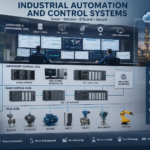
Industrial automation is another key area where Schneider Electric PME offers unparalleled efficiency. Our software enables businesses to automate and optimize their electrical distribution processes, reducing costs and minimizing downtime. Through our energy management software and industrial automation features, businesses can achieve energy efficiency and maintain optimal performance in their operations.
| Schneider Electric PME Industrial Automation Capabilities | Benefits |
|---|---|
| Real-time monitoring and analysis of energy consumption data | Identify areas for improvement and implement targeted solutions for cost savings |
| Automated electrical distribution processes | Reduce costs and minimize downtime through optimized processes |
| Energy optimization features | Achieve energy efficiency and maintain optimal performance in operations |
At Schneider Electric, we are committed to helping businesses achieve maximum efficiency through comprehensive energy management solutions. With Schneider Electric PME, businesses can optimize their energy usage, reduce costs, and enhance their operations in facility management and industrial automation. Explore our software today and experience the unmatched benefits of Schneider Electric PME.
Seamlessly Integrating Schneider Electric PME into Existing Systems
At Schneider Electric, we understand the importance of seamless integration when it comes to energy management solutions. That’s why we have designed Schneider Electric PME to easily integrate into existing systems, saving you both time and resources. Let’s take a look at the steps involved in the installation and integration process.
Installation Guide
The first step in the process is the installation of Schneider Electric PME software. Our team of experts can assist you with the installation to ensure a smooth and hassle-free process. Once the software is installed, it’s time to start integrating it with your existing systems.
PME System Integration
Integrating Schneider Electric PME with your current systems can be done using various methods, including Modbus, DNP3, and IEC 61850 protocols. The software can communicate with all types of devices, including PLCs, RTUs, and meters, making it a versatile energy management solution that can be adapted to your specific needs and requirements.
The Benefits of PME System Integration
Integrating Schneider Electric PME with your existing systems offers numerous benefits, including:
- Increased automation and control
- Real-time monitoring of energy usage and performance metrics
- Better data management and analytics capabilities
- Improved energy efficiency and cost savings
By integrating Schneider Electric PME with your current systems, you can achieve a more holistic approach to energy management, enabling you to optimize your energy usage and reduce your carbon footprint.
Conclusion
Integrating Schneider Electric PME into your existing systems is a simple and effective solution for optimizing your energy usage and achieving operational efficiency. Our experts can guide you through the installation and integration process, ensuring a seamless transition to this comprehensive energy management solution. Choose Schneider Electric PME for a more sustainable and efficient future.
Unmatched Benefits of Schneider Electric PME Solutions
As we’ve discussed, Schneider Electric PME offers a comprehensive energy management solution that empowers businesses to maximize efficiency and savings. Let’s dive deeper into some of the unmatched benefits of this software:
Advanced PME Features
Schneider Electric PME offers a range of advanced features that are designed to optimize energy usage, including:
- Power Monitoring: Real-time monitoring of energy consumption to identify areas for improvement and reduce waste.
- Data Center Management: Comprehensive management of data centers for enhanced efficiency and cost savings.
- Energy Optimization: Advanced algorithms that analyze data to optimize energy consumption and reduce costs.
These features make Schneider Electric PME an indispensable tool for any business looking to achieve energy efficiency and cost savings.
Schneider Electric PME Benefits
The benefits of Schneider Electric PME are numerous and far-reaching. Here are a few examples:
- Cost Savings: By optimizing energy usage and reducing waste, businesses can achieve significant cost savings.
- Increased Efficiency: Schneider Electric PME enables businesses to streamline operations and achieve greater efficiency across various departments.
- Improved Sustainability: By reducing energy waste and optimizing usage, businesses can make significant strides towards improved sustainability and reduced environmental impact.
These benefits are just the beginning of what Schneider Electric PME has to offer. By leveraging its advanced features and benefits, businesses can achieve unparalleled efficiency and cost savings.
PME Software Capabilities
Schneider Electric PME is a powerful software that offers a wide range of capabilities. These include:
- Facility Management: Comprehensive management of facilities for enhanced efficiency and cost savings.
- Industrial Automation: Advanced automation capabilities for enhanced efficiency and productivity.
- Electrical Distribution: Streamlined electrical distribution processes for optimized energy usage.
These capabilities make Schneider Electric PME an all-in-one solution for energy management and optimization.
In Summary
Schneider Electric PME is a comprehensive energy management solution that offers advanced features, numerous benefits, and a wide range of capabilities. By leveraging its power, businesses can achieve unparalleled efficiency and cost savings. Contact us today to learn more about how Schneider Electric PME can transform your operations.
Conclusion
At Schneider Electric, we understand the importance of maximizing efficiency and streamlining operations in today’s fast-paced business environment. That’s why we developed Schneider Electric PME, a comprehensive energy management solution that offers advanced features like power monitoring, data center management, and industrial automation to optimize energy usage across various industries.
With Schneider Electric PME, businesses can achieve significant cost savings and operational efficiency, thanks to its unparalleled benefits in energy optimization and facility management. Our software also seamlessly integrates with existing systems, providing a more holistic approach to energy management.
Whether you’re looking to enhance efficiency in your data center, electrical distribution processes, or building management systems, Schneider Electric PME offers unmatched benefits that can transform your operations. So why not explore Schneider Electric PME today and experience unparalleled efficiency in your business?
FAQ
What is Schneider Electric PME?
Schneider Electric PME is an energy management solution that helps businesses optimize their energy usage across various industries. It offers advanced features for power monitoring, data center management, industrial automation, building management systems, electrical distribution, energy optimization, and facility management.
What are the benefits of using Schneider Electric PME?
By using Schneider Electric PME, businesses can maximize efficiency and savings. It allows for better control and management of energy usage, leading to reduced costs and improved operational efficiency. Additionally, it enables businesses to streamline electrical distribution processes and achieve energy optimization.
How does Schneider Electric PME integrate with existing systems?
Schneider Electric PME seamlessly integrates into existing systems. It provides a comprehensive installation guide, and its compatibility with other systems allows for a holistic approach to energy management. This integration enhances the efficiency and effectiveness of the overall energy management process.
What are the key features of Schneider Electric PME?
Schneider Electric PME offers a range of features to optimize energy usage. It includes power monitoring capabilities, data center management tools, and industrial automation functionalities. These features enable businesses to monitor and control energy consumption, resulting in improved energy efficiency and cost savings.
How can Schneider Electric PME benefit businesses in different industries?
Schneider Electric PME benefits businesses across various industries by providing tailored solutions for energy management. Whether it’s facility management, industrial automation, or building management, the software enables businesses to achieve energy efficiency and maximize operational savings.