Unplanned downtime, recurring defects, and limited engineering time put constant pressure on manufacturing teams. Rockwell Automation artificial intelligence capabilities address these problems across several software and automation products, rather than through one standalone AI tool.
The practical value depends on system fit: which problem you’re solving, what data you have, and who acts on the results. Engineering assistance, equipment monitoring, visual inspection, and process control each require different deployment decisions.
Start by separating those capabilities, then examine how they connect to your production workflows and existing controls.
Table of Contents
What Rockwell Automation artificial intelligence includes
Rockwell’s industrial AI portfolio combines generative engineering assistance with production analytics, machine learning, and model-based process control. These technologies handle different tasks. A tool that drafts automation code has different requirements than one monitoring equipment behavior.
Features and availability can change. Confirm the current release, supported hardware, and licensing before planning an implementation.
FactoryTalk AI tools for engineering
FactoryTalk Design Studio Copilot uses natural-language prompts within Rockwell’s cloud-based engineering environment. Engineers can request product guidance, generate PLC code, troubleshoot errors, and ask for code explanations.
The FactoryTalk Design Studio Copilot documentation describes assistance with system modeling and development tasks. This means engineers can work through questions without treating every task as a separate documentation search.
Generated code still needs qualified review. Your team must validate sequencing, interlocks, fault handling, and operating limits before approving deployment. A clear explanation helps understanding, but it doesn’t establish that the logic is safe.
Analytics for maintenance and process control
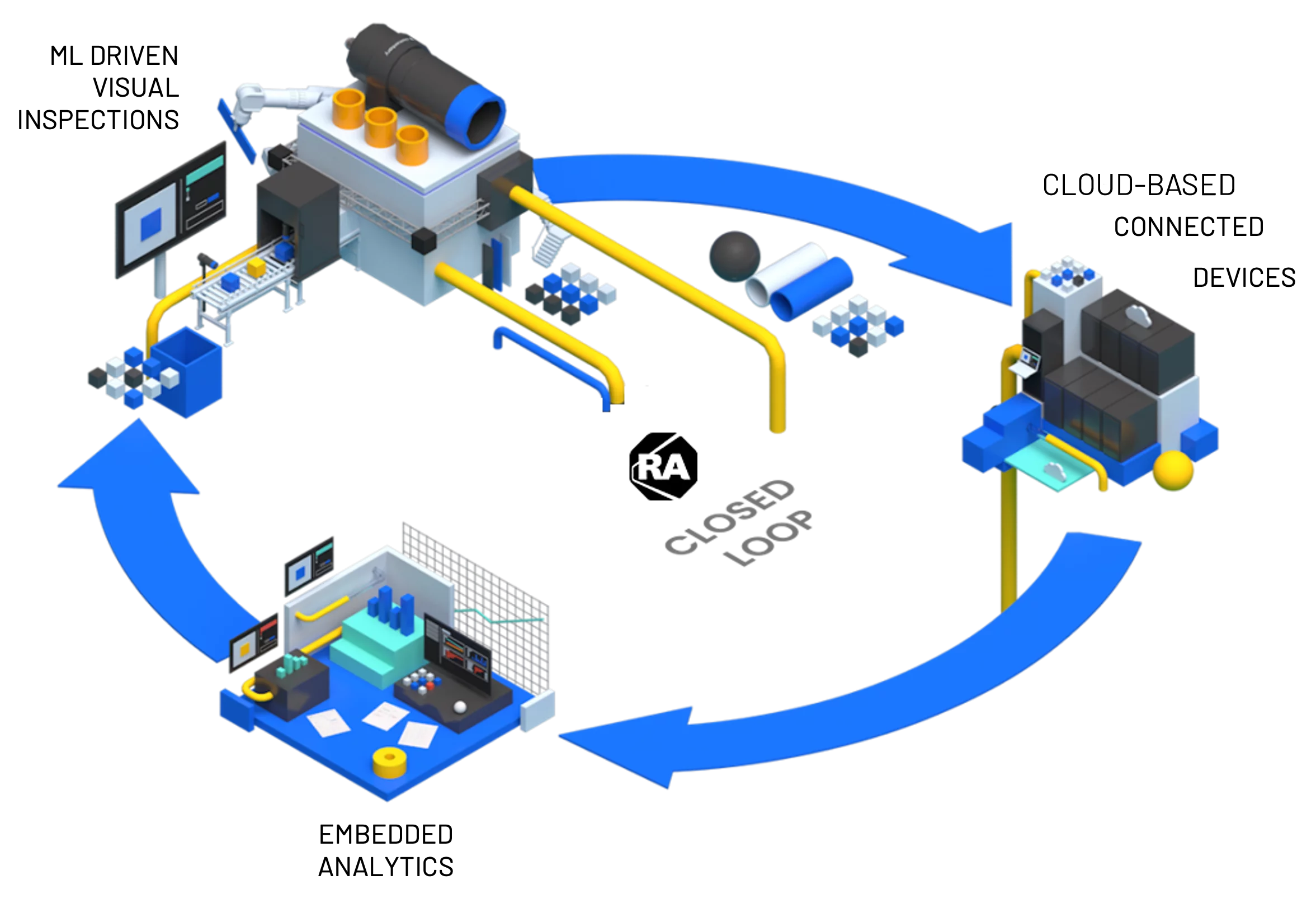
FactoryTalk Analytics GuardianAI monitors equipment condition and provides early indications of asset degradation. It uses data from compatible existing drives to identify changes and support investigation of probable failure causes.
FactoryTalk Analytics LogixAI builds and maintains physics-inspired models that predict process variables. FactoryTalk Analytics PavilionX MPC supports process control through model predictive control, which anticipates process behavior when determining control actions.
These products address production behavior rather than conversational assistance. Understanding AI in industrial automation helps clarify where models inform decisions and where conventional controls retain responsibility.
How VisionAI and Plex connect inspection with quality records
FactoryTalk Analytics VisionAI is a no-code machine-vision tool for defect and anomaly detection. It analyzes images to identify conditions that require attention during production.
No-code configuration reduces programming requirements. It doesn’t remove the need for representative images, inspection expertise, or validation against your acceptance criteria.
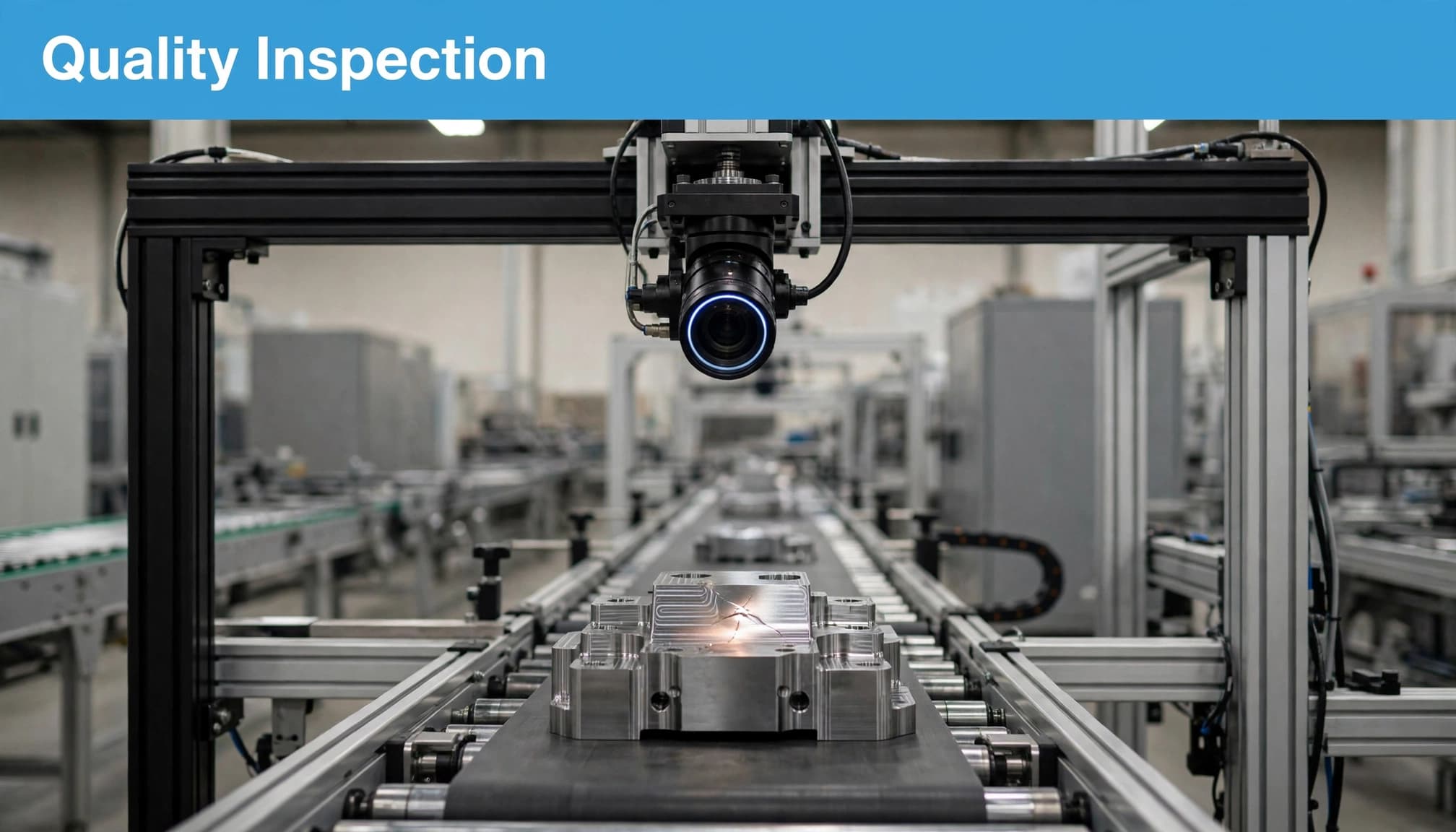
In August 2026, Rockwell announced an API-enabled integration between VisionAI and Plex Quality Management System (QMS). The Plex QMS and VisionAI integration announcement describes recording inspection results in Plex to support traceability, product serialization, and inspection history.
The connection matters because detecting a defect and documenting its disposition are separate jobs. Quality teams need records that show what was inspected, which product was involved, and how exceptions were handled.
In audited production settings, accessible inspection history supports investigations and review. Teams should still verify how identifiers, results, retention requirements, and access permissions are configured.
An integration announcement also doesn’t establish compatibility with every installed system. Confirm the API requirements and supported configurations for your environment. Define what happens when results can’t reach Plex, including whether production continues, records are buffered, or an operator must intervene.
Where Rockwell’s industrial AI can help on the plant floor
Useful applications begin with an operational problem and a defined response. An alert has limited value if nobody owns the follow-up.
Catch equipment problems before they stop production
GuardianAI can identify changes in equipment behavior that warrant maintenance attention. For teams responsible for motors and driven equipment, those signals can help prioritize inspections before an unplanned stop.
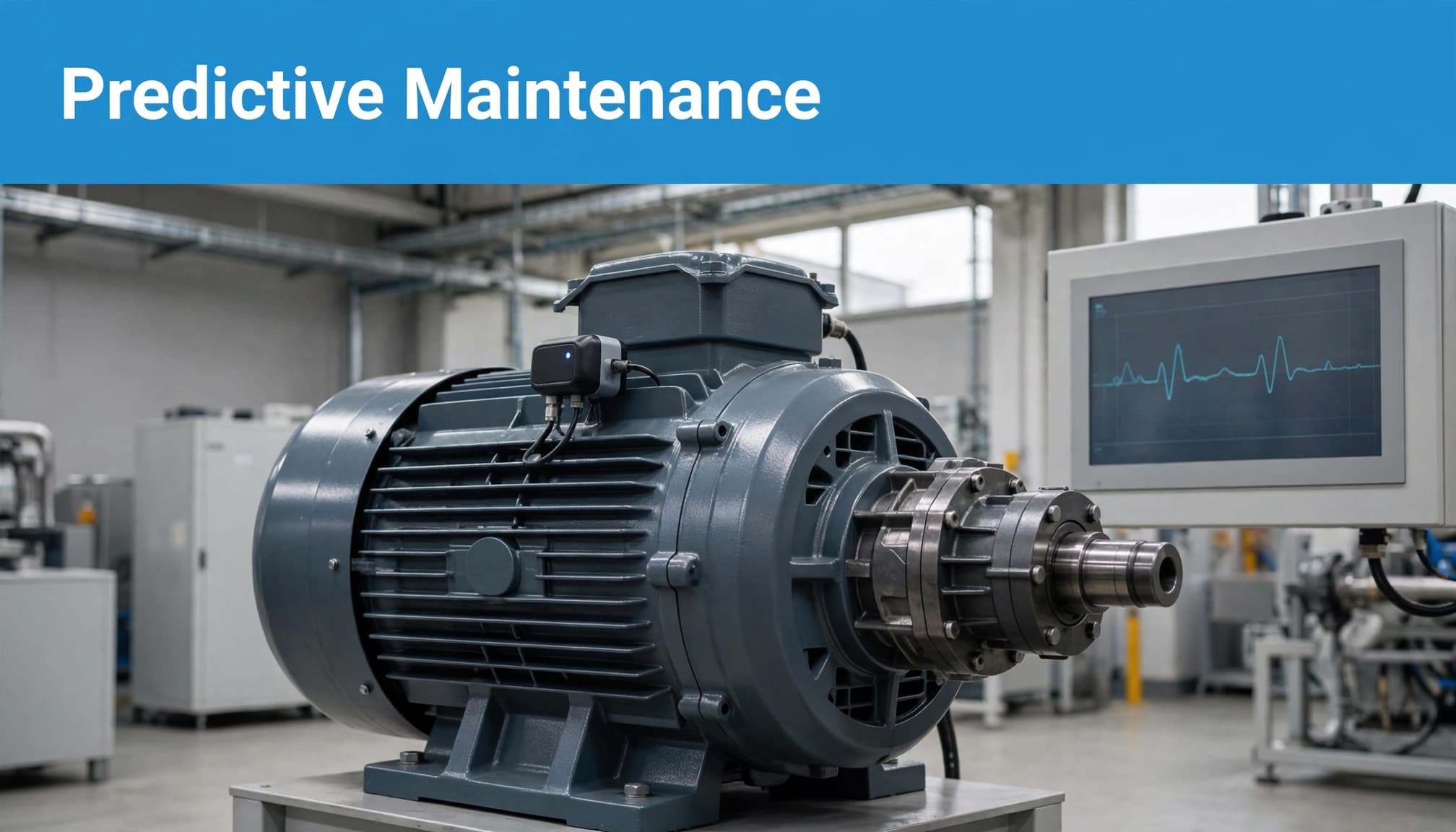
The workflow needs clear ownership: review the warning, assess operating conditions, inspect the asset, and document the findings. Maintenance teams can then decide whether to adjust operation or schedule repair.
Early warnings don’t guarantee failure prevention. Some faults develop quickly, and changing loads can complicate interpretation. Evaluate warning usefulness against confirmed maintenance findings, not alert volume alone.
Find defects sooner and keep inspection history
VisionAI can flag defects or anomalies during production, while Plex QMS connects inspection results with quality records. This supports earlier review and helps teams investigate recurring issues.
Detection performance depends on the product, lighting, camera placement, and acceptable defect thresholds. Validate the inspection setup under normal production variation, including different batches and operating conditions.
Measure both missed defects and unnecessary rejections. A model that rejects acceptable products creates additional inspection work and can disrupt throughput.
Quality teams should define how uncertain results are reviewed and how rejected material is handled. The operational result comes from detection, documented disposition, and corrective action working together.
Improve process consistency and engineering workflows
Process variation and engineering backlogs require different tools, but both benefit from better information at the decision point.
LogixAI predicts process variables using models built around the production process. Those predictions can provide additional visibility where teams need an estimate alongside measured values.
PavilionX MPC supports process control by anticipating behavior and managing interactions between process variables. The objective is more consistent operation within defined constraints. Results depend on model quality, instrumentation, process stability, and control-system integration.
Before using recommendations in production, engineers should confirm operating limits and behavior during abnormal conditions. Model accuracy isn’t enough if the proposed action conflicts with equipment constraints or approved operating procedures.
FactoryTalk Design Studio Copilot addresses the engineering workflow. It can help draft logic, explain unfamiliar code, and troubleshoot development errors. Rockwell’s Microsoft collaboration announcement identifies Azure OpenAI Service as technology used in the design environment.
Qualified engineers remain responsible for reviewing and testing generated code. Testing should include fault recovery and abnormal operating sequences, not only successful operation.
Keep approved changes under version control and existing change-management procedures. Faster drafting should leave more time for validation, rather than compressing the review required before live deployment.
How Rockwell combines edge systems, cloud software, and AI partners
Where data is processed affects latency, connectivity requirements, and operational reliability. Cloud use isn’t required for every time-sensitive control task.
Use ResilientEdge for plant-level execution and cloud connection
Rockwell announced FactoryTalk ResilientEdge on June 18, 2026. The FactoryTalk ResilientEdge announcement describes low-latency edge execution alongside cloud capabilities for analytics, AI training, and enterprise orchestration.
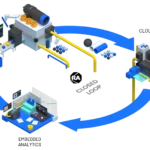
At a high level, the edge handles execution close to production. Cloud services support broader analysis, model training, and coordination across operations.
This split supports fast plant-level action without sending every decision through a remote service. Deployment planning still needs to address connectivity loss, recovery, data synchronization, and ownership of local decisions.
ResilientEdge isn’t a universal fit or a complete cybersecurity solution. Evaluate its architecture against your production requirements and existing execution systems.
Understand the roles of Microsoft, NVIDIA, Cognite, and Augury
Microsoft supports Azure OpenAI capabilities in FactoryTalk Design Studio. NVIDIA is part of Rockwell’s industrial AI ecosystem, including collaboration around industrial simulation and digital-twin technologies.
Cognite’s partnership focuses on an edge-to-cloud industrial data hub. FactoryTalk DataMosaix is the joint offering identified in Cognite’s partner materials.
On July 23, 2026, Rockwell and Augury announced a partnership centered on agentic AI for industrial performance. The announcement involved Augury’s Reliability Agent and Rockwell’s Fiix MAX, with an initial offer expected in September.
These relationships address different needs. Don’t assume every partner capability is bundled into every Rockwell product. Check the actual offering, release status, licensing, and integration requirements.
What to check before adopting Rockwell Automation AI
Evaluating Rockwell Automation artificial intelligence starts with production requirements, not a portfolio-wide purchase decision. Each application needs its own value case and deployment review.
Start with a measurable production problem and usable data
Choose one clear goal, such as fewer unplanned stops or faster defect detection. Establish a baseline before changing the workflow.
Check whether machine, process, and quality data are available and consistent. Depending on the application, you may also need reliable timestamps, confirmed failure records, or labeled inspection images.
A limited pilot should answer three practical questions:
- Does the output identify conditions your team needs to act on?
- Can operators or engineers respond within the required time?
- Do measured results justify the implementation and ongoing operating costs?
Agree on success measures before the pilot begins. Include the work needed to investigate alerts and maintain the system.
Review system fit, oversight, security, and total cost
Check compatibility with existing controls, cameras, drives, manufacturing execution systems, and data platforms. Confirm release dependencies and supported interfaces rather than assuming products connect automatically.
Rockwell’s public materials don’t establish one shared price or a single governance framework across all AI products. Request product-specific licensing and include integration, training, support, infrastructure, and maintenance costs.
Define human approval requirements and test changes before live use. Apply access controls, network segmentation, and change management to connected systems.
Inspection traceability records what happened; it doesn’t define who may change a model or approve its deployment.
Assign those responsibilities explicitly. Operators and engineers also need training on uncertainty, escalation, and fallback procedures when an AI capability is unavailable.
Conclusion: Begin with a defined production problem
Rockwell’s AI portfolio spans engineering assistance, machine vision, predictive maintenance, process control, and edge-to-cloud operations. Its value depends on connecting the right capability to a production decision your team can act on.
Begin with a defined problem, verify system fit, and test results with operators and engineers before expanding. Keep human oversight and measurable acceptance criteria in place throughout deployment.
Downtime, defects, and engineering pressure won’t disappear because an AI feature is available. Progress comes when the system helps your team detect, decide, and respond more effectively.