Introduction: Revolutionizing Automation with the Allen-Bradley ControlLogix 5580
In the ever-evolving world of industrial automation, the need for faster, more reliable, and scalable solutions is greater than ever before. The Allen-Bradley ControlLogix 5580, developed by Rockwell Automation, has become a cornerstone of this revolution. Serving as one of the most advanced Programmable Logic Controllers (PLCs), it integrates the power of high-performance processing, cutting-edge communication capabilities, and unmatched flexibility to address the demands of modern automation.
This blog explores the key features, benefits, and innovations behind the Allen-Bradley ControlLogix 5580, illustrating how it can unlock new levels of efficiency, productivity, and innovation in your automation systems.
1. The Evolution of PLCs and the Need for Advanced Solutions
Before diving into the specifics of the ControlLogix 5580, it’s important to understand the broader context of PLC development and why a sophisticated solution is needed today.
The Early Days of PLCs
PLCs have been a fundamental part of industrial automation since the late 1960s, originally developed to replace relay-based control systems. Early PLCs were simple devices designed to control processes in manufacturing environments with limited flexibility and processing power.
The Shift Toward Smart Manufacturing
As industries have become more complex, the traditional PLC has evolved into more powerful systems capable of handling more sophisticated tasks. Today’s manufacturing environments demand solutions that not only control machines but also monitor, analyze, and optimize entire systems. Enter the ControlLogix 5580, which goes far beyond basic control.
Why the ControlLogix 5580 Stands Out
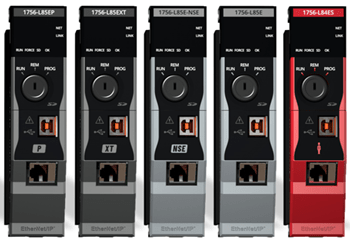
The Allen-Bradley ControlLogix 5580 is a response to the challenges of modern automation: scalability, real-time decision-making, high-speed processing, and the integration of multiple automation layers into a single cohesive system. It’s designed for Industry 4.0 applications, where IoT, artificial intelligence, and data-driven decisions are transforming how factories operate.
2. Key Features of the Allen-Bradley ControlLogix 5580
A. High-Performance Processing
One of the standout features of the ControlLogix 5580 is its high-speed processing capabilities. Whether it’s handling multiple machine operations simultaneously or performing complex tasks like data logging and system diagnostics, the ControlLogix 5580 is engineered for speed.
- Enhanced Processor Speed: With increased processing power compared to its predecessors, the 5580 offers faster response times, even in complex control loops.
- Real-Time Control: It’s designed to handle high-speed control processes in real time, making it ideal for industries such as automotive, food and beverage, and pharmaceuticals, where time-sensitive decisions are critical.
- Advanced Control Algorithms: The ControlLogix 5580 supports complex algorithms like PID control, motion control, and system integration, enhancing its versatility across various applications.
B. Scalability and Flexibility
Scalability is key in today’s fast-paced manufacturing environment, where production demands can change rapidly. The ControlLogix 5580 provides exceptional flexibility for both small-scale and large-scale systems.
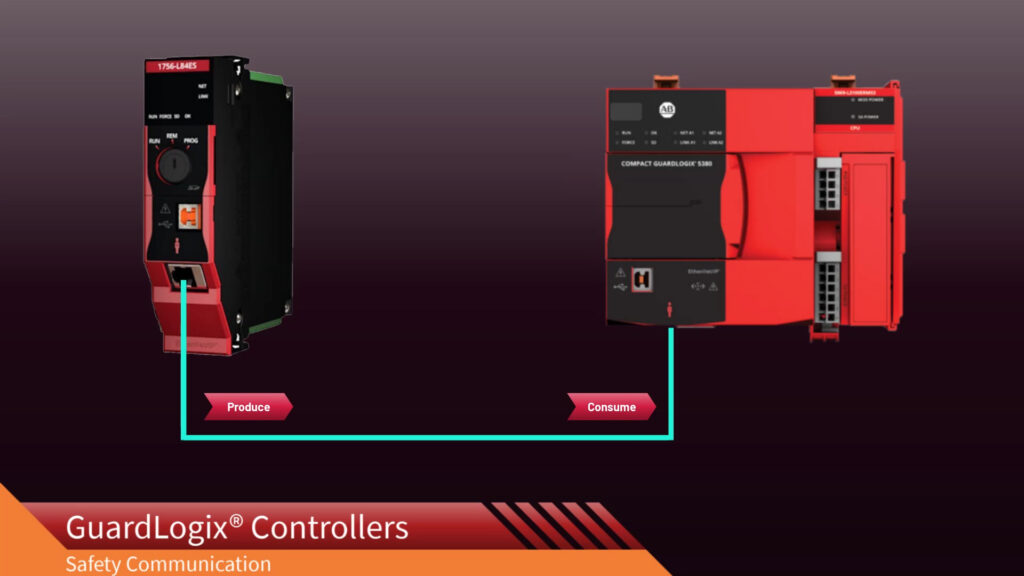
- Modular Design: The modular design allows you to expand or reduce your system as needed. You can add additional controllers or I/O modules, making it adaptable for both current and future automation needs.
- Integrated Architecture: It integrates seamlessly with other Allen-Bradley devices and Rockwell Automation products, ensuring smooth interoperability and reducing the need for separate control systems.
- Remote Connectivity: With support for remote management, the 5580 can be monitored and configured from anywhere, saving valuable time and resources for on-site maintenance.
C. Communication and Networking
The ControlLogix 5580 leverages advanced networking technologies to ensure seamless communication across systems and devices. This is crucial for managing increasingly complex and connected industrial environments.
- Ethernet/IP Support: The device supports Ethernet/IP, a widely adopted industrial networking protocol, for fast and reliable communication between automation devices.
- High-Throughput Communication: The ControlLogix 5580 allows for high-throughput, deterministic communication between various systems and devices, ensuring rapid and accurate information exchange.
- Cybersecurity Features: With the increasing threats to industrial networks, the ControlLogix 5580 is equipped with enhanced security features like encryption and firewall support, ensuring safe communication within the network.
D. Integrated Motion Control
Modern automation systems require sophisticated motion control capabilities, especially in sectors like packaging, robotics, and automotive manufacturing. The 5580 integrates motion control into its architecture, enabling it to manage motors, drives, and other mechanical components in real time.
- Synchronized Motion: It allows for synchronized motion control of multiple axes, which is essential for applications requiring precise movements.
- Drive Integration: The ControlLogix 5580 easily integrates with Allen-Bradley’s motion control products, such as the Kinetix series of drives, allowing for streamlined motion management.
E. Advanced Diagnostics and Troubleshooting
The ControlLogix 5580 doesn’t just control your processes; it helps you monitor and troubleshoot them as well. The built-in diagnostics feature can significantly reduce downtime and operational disruptions.
- Predictive Maintenance: It provides valuable insights into the health of your system components, helping you predict failures before they occur and schedule maintenance accordingly.
- Real-Time Data: The system can access real-time data from machines and sensors, providing operators with immediate insights into performance, efficiency, and system health.
- Easy Troubleshooting: With integrated diagnostic tools, troubleshooting issues becomes faster and easier, minimizing downtime and operational costs.
3. Benefits of Using the Allen-Bradley ControlLogix 5580
A. Increased Efficiency
With its high-performance capabilities and advanced diagnostics, the ControlLogix 5580 ensures that your automation systems run at peak efficiency. Tasks that previously took longer to process or control can now be done in real time, reducing production delays and increasing throughput.
- Faster Decision Making: With real-time control and data access, decisions can be made on the fly, optimizing production workflows and responding swiftly to changes in production demand.
- Optimized Processes: By integrating motion control, diagnostics, and advanced analytics, the 5580 helps optimize machine performance, energy consumption, and overall process efficiency.
B. Greater Innovation Potential
Innovation is at the heart of modern industrial automation, and the ControlLogix 5580 paves the way for businesses to explore new possibilities.
- Flexible Integration with IoT and AI: The 5580 integrates seamlessly with other industrial IoT devices and AI-powered platforms, allowing businesses to leverage predictive analytics, automation, and machine learning to further innovate their processes.
- Advanced Control Capabilities: With the ability to manage complex control systems like motion control, process control, and real-time analytics, manufacturers can create more customized and innovative automation solutions.
C. Reduced Operational Costs
While the initial investment in a ControlLogix 5580 might be higher than traditional PLCs, its ability to streamline operations and reduce downtime leads to significant long-term cost savings.
- Predictive Maintenance: By predicting failures before they occur, companies can avoid costly repairs and unexpected downtime.
- Energy Savings: Optimized control of machinery and processes helps reduce energy consumption, leading to substantial savings over time.
- Reduced Labor Costs: With automation handling repetitive tasks and real-time diagnostics identifying potential issues, the need for manual intervention is minimized, saving both time and labor costs.
D. Scalability and Future-Proofing
The ControlLogix 5580’s modular and scalable design ensures that it can adapt to the changing needs of your business. Whether you’re expanding your operations or incorporating new technologies like IIoT, the 5580 provides the flexibility you need.
- Evolving with Industry Trends: As automation and Industry 4.0 evolve, the ControlLogix 5580 ensures that your automation systems remain relevant, capable of incorporating the latest technologies without needing a complete overhaul.
- Growth Support: Whether scaling production volumes or adding new automation layers, the 5580 supports your growth without the need for expensive upgrades or replacements.
4. Real-World Applications of the Allen-Bradley ControlLogix 5580
A. Automotive Manufacturing
In automotive manufacturing, precision and efficiency are paramount. The ControlLogix 5580 enables real-time monitoring of production lines, synchronization of robotic arms, and precise motion control, all while reducing downtime through its diagnostic capabilities. Whether assembling vehicle parts or controlling material flow, this PLC ensures optimal performance at all stages of production.
B. Food and Beverage Industry
In food and beverage production, compliance with regulatory standards and maintaining high production speeds are crucial. The ControlLogix 5580 provides the precision needed for ingredient mixing, packaging, and process monitoring, ensuring quality and efficiency throughout the production cycle.
C. Pharmaceuticals and Healthcare Manufacturing
Pharmaceutical manufacturing requires strict control over environmental factors and product consistency. The ControlLogix 5580 ensures that every step of the manufacturing process, from raw material handling to final packaging, is monitored and controlled with precision, ensuring compliance with industry regulations.
D. Oil & Gas
In the oil and gas sector, where real-time data and remote management are essential, the ControlLogix 5580 provides high-level control and monitoring capabilities for oil rigs, refineries, and pipelines, minimizing risks and improving overall efficiency.
Conclusion: The Ultimate PLC Solution for the Future
The Allen-Bradley ControlLogix 5580 is much more than just a PLC; it’s an intelligent, integrated, and future-proof solution that meets the complex demands of modern automation systems. With its unparalleled performance, flexibility, and diagnostic capabilities, it empowers manufacturers to optimize processes, reduce costs, and drive innovation.
As industries embrace Industry 4.0 and move toward more connected, data-driven, and automated environments, the ControlLogix 5580 stands as a beacon of technological advancement, offering businesses the tools they need to stay competitive in an increasingly complex and fast-paced market.
Investing in the Allen-Bradley ControlLogix 5580 is investing in the future of automation.