Managing invoices manually is slow, expensive, and error-prone. That’s why businesses are rapidly adopting AP automation software to streamline accounts payable processes, reduce costs, and improve financial accuracy. The best AP automation software helps companies automate invoice processing, approvals, payments, and reporting while improving compliance and vendor relationships.
In this guide, we explore the best AP automation software solutions in 2026, their features, benefits, and how to choose the right platform for your business.
What Is AP Automation Software?
AP (Accounts Payable) automation software is a digital solution designed to automate the invoice-to-payment workflow. Instead of handling invoices manually through spreadsheets and paper documents, businesses can use automation tools to:
- Capture invoice data automatically
- Route invoices for approval
- Match purchase orders and receipts
- Process vendor payments
- Track payment status in real time
- Generate financial reports
Modern AP automation systems use AI, OCR (Optical Character Recognition), and machine learning to improve efficiency and reduce human errors.
Benefits of AP Automation Software
1. Faster Invoice Processing
Automation reduces manual data entry and speeds up invoice approvals. Businesses can process invoices in minutes instead of days.
2. Reduced Errors
AI-powered invoice capture minimizes duplicate entries, incorrect payments, and accounting mistakes.
3. Cost Savings
Companies can significantly reduce operational costs by eliminating paper-based processes and manual labor.
4. Improved Compliance
AP automation software creates digital audit trails, making compliance and financial reporting easier.
5. Better Vendor Relationships
On-time payments improve trust with suppliers and may help businesses secure better pricing terms.
Best AP Automation Software Platforms
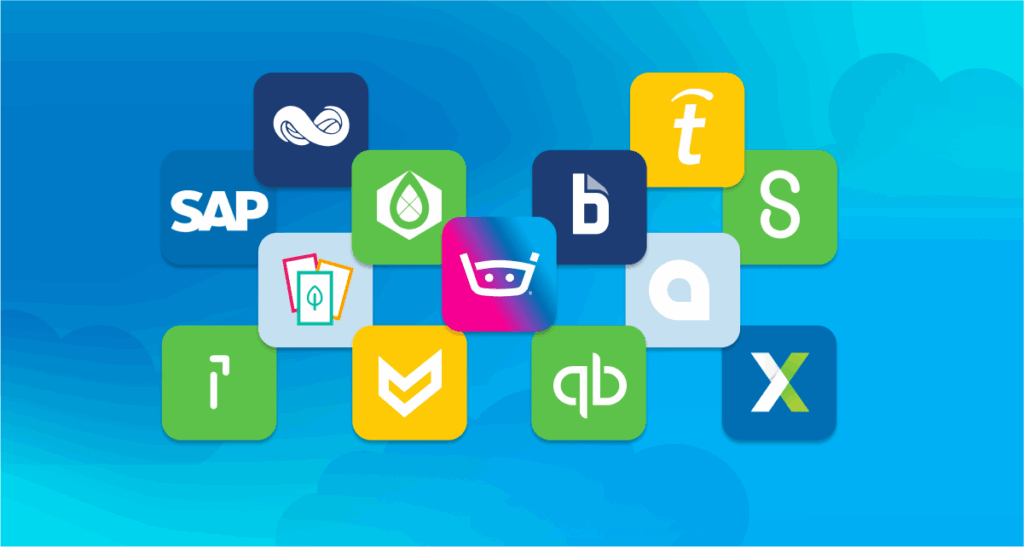
1. Tipalti
Tipalti is one of the most advanced AP automation platforms for mid-sized and enterprise businesses.
Key Features
- Automated invoice processing
- Global payments support
- Supplier onboarding portal
- Tax compliance management
- ERP integrations
Best For
Large businesses with international vendors and complex payment workflows.
2. SAP Concur
SAP Concur provides powerful expense and invoice management capabilities for enterprises.
Key Features
- Invoice automation
- Expense management
- Mobile approvals
- Real-time analytics
- ERP integration
Best For
Large enterprises already using SAP systems.
3. Stampli
Stampli focuses on collaboration-driven AP automation with an easy-to-use interface.
Key Features
- AI invoice capture
- Approval workflow automation
- Centralized communication
- ERP synchronization
- Fraud prevention tools
Best For
Finance teams looking for fast deployment and user-friendly workflows.
4. Bill.com
Bill.com is a popular AP and AR automation platform for small and medium-sized businesses.
Key Features
- Digital invoice management
- Automated payments
- Approval workflows
- Accounting integrations
- Cash flow insights
Best For
Small businesses seeking affordable AP automation.
5. AvidXchange
AvidXchange specializes in invoice and payment automation for growing businesses.
Key Features
- Invoice scanning
- Automated approvals
- Secure payment processing
- Vendor management
- Cloud-based access
Best For
Mid-sized companies that want scalable AP automation.
Features to Look for in AP Automation Software
When choosing the best AP automation software, consider these important features:
| Feature | Importance |
|---|---|
| OCR Invoice Capture | Reduces manual data entry |
| Workflow Automation | Speeds approvals |
| ERP Integration | Improves accounting sync |
| AI & Analytics | Enhances insights |
| Mobile Access | Enables remote approvals |
| Fraud Detection | Improves security |
| Vendor Portal | Simplifies supplier communication |
How AI Is Transforming AP Automation
Artificial intelligence is making AP automation smarter and more efficient. AI-powered systems can:
- Detect duplicate invoices
- Predict payment trends
- Automate invoice coding
- Identify fraud risks
- Improve cash flow forecasting
Machine learning continuously improves invoice accuracy over time, reducing the need for manual intervention.
Industries Using AP Automation Software
AP automation software is widely used across industries, including:
- Manufacturing
- Healthcare
- Retail
- Logistics
- Construction
- IT Services
- Financial Services
Businesses handling large invoice volumes benefit the most from automation.
How to Choose the Right AP Automation Software
Before selecting a solution, evaluate:
- Business size and invoice volume
- Integration with existing ERP systems
- Budget and pricing model
- Cloud vs on-premise deployment
- Security and compliance requirements
- Customer support quality
- Scalability for future growth
Choosing the right software can significantly improve operational efficiency and financial management.
Future of AP Automation Software
The future of AP automation includes:
- AI-driven decision making
- Touchless invoice processing
- Predictive analytics
- Blockchain-based payment verification
- Advanced fraud prevention
- Real-time financial intelligence
As businesses continue digital transformation, AP automation will become a core component of modern finance operations.
Final Thoughts
The best AP automation software helps businesses save time, reduce costs, improve compliance, and accelerate financial workflows. Whether you run a small business or a global enterprise, investing in accounts payable automation can improve productivity and financial visibility.
Solutions like Tipalti, SAP Concur, Stampli, and Bill.com are leading the market with AI-powered features and cloud-based automation tools.
Businesses adopting AP automation today will gain a competitive advantage through faster processing, better accuracy, and improved financial control.