Artificial Intelligence (AI) is transforming factory automation by making industrial processes smarter, faster, and more efficient. Modern factories are now using AI-powered systems to improve productivity, reduce downtime, enhance quality control, and optimize energy consumption. From predictive maintenance to intelligent robotics, AI is becoming the backbone of Industry 4.0.
What is AI in Factory Automation?
AI in factory automation refers to the use of machine learning, computer vision, robotics, and data analytics to automate manufacturing operations with minimal human intervention. AI systems can analyze massive amounts of industrial data in real-time and make intelligent decisions that improve operational performance.
Factories equipped with AI technologies can monitor machines, detect faults before failures occur, and optimize production lines automatically.
Key Benefits of AI for Factory Automation
1. Predictive Maintenance
AI can monitor machine conditions continuously and predict equipment failures before they happen. This helps industries reduce unexpected downtime and maintenance costs.
2. Improved Production Efficiency
AI algorithms optimize manufacturing processes by analyzing production data and identifying bottlenecks. This increases output while reducing waste.
3. Smart Quality Control
Computer vision powered by AI can inspect products with high accuracy and detect defects faster than traditional inspection methods.
4. Energy Optimization
AI systems help factories reduce energy consumption by analyzing power usage patterns and automatically controlling equipment operations.
5. Industrial Robotics
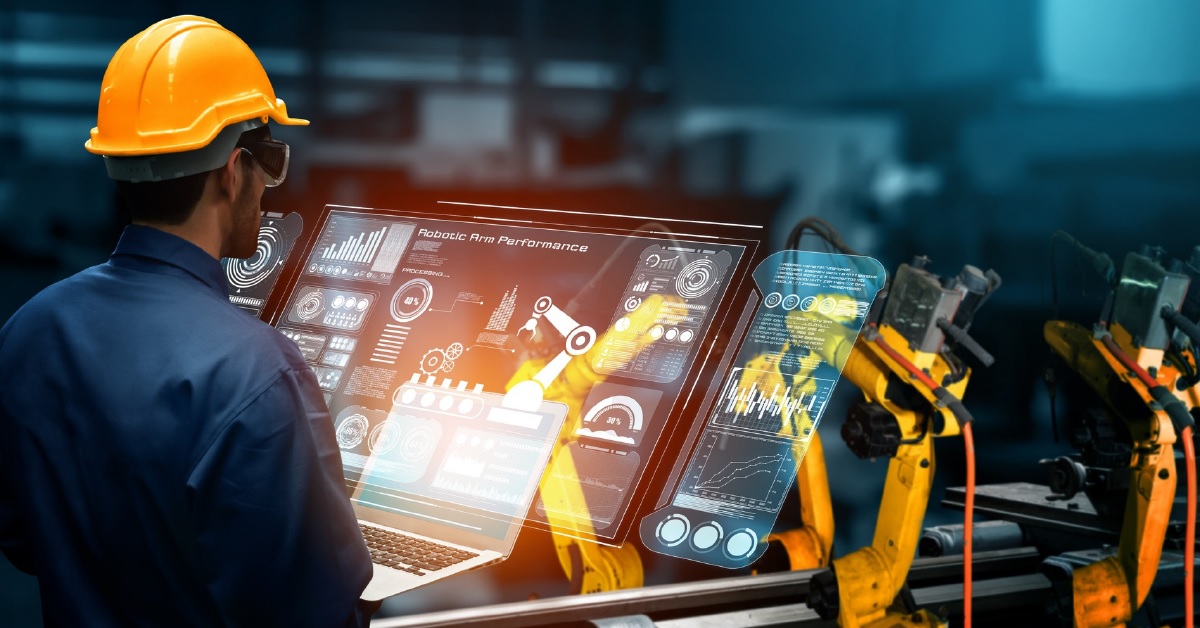
AI-enabled robots can perform repetitive and dangerous tasks with precision, improving worker safety and operational efficiency.
Applications of AI in Industrial Automation
- Smart manufacturing systems
- Automated assembly lines
- AI-based machine vision inspection
- Autonomous mobile robots (AMRs)
- Digital twins for industrial processes
- Industrial IoT analytics
- Supply chain optimization
- Predictive analytics for factories
AI Technologies Used in Factory Automation
Machine Learning
Machine learning models analyze historical production data to improve operational performance and predict failures.
Computer Vision
AI cameras inspect products, monitor safety compliance, and improve quality assurance in manufacturing plants.
Natural Language Processing (NLP)
NLP helps operators interact with industrial systems using voice commands and intelligent assistants.
Edge AI
Edge AI processes industrial data directly at the machine level, enabling faster real-time decisions with lower latency.
AI and Industry 4.0
AI plays a major role in Industry 4.0 by connecting machines, sensors, and industrial software into intelligent ecosystems. Smart factories use AI together with Industrial Internet of Things (IIoT), cloud computing, and big data analytics to create fully connected manufacturing environments.
Challenges of AI in Factory Automation
Although AI offers many advantages, industries also face challenges such as:
- High implementation costs
- Cybersecurity concerns
- Lack of skilled workforce
- Integration with legacy systems
- Data privacy and management issues
However, continuous advancements in AI technology are making adoption easier and more affordable for manufacturers.
Future of AI in Manufacturing
The future of AI in factory automation looks highly promising. Advanced AI systems will enable fully autonomous factories where machines can self-diagnose, self-optimize, and communicate with each other without human intervention.
Emerging technologies such as generative AI, collaborative robots (cobots), and AI-driven digital twins will further revolutionize industrial automation across sectors including automotive, pharmaceuticals, food processing, and electronics manufacturing.
Conclusion
AI for factory automation is reshaping the manufacturing industry by enabling smart, data-driven, and highly efficient operations. Businesses adopting AI-powered automation solutions can improve productivity, reduce operational costs, and stay competitive in the rapidly evolving industrial landscape.
As industries continue moving toward smart manufacturing, AI will remain one of the most important technologies driving the future of industrial automation.