Industrial automation has evolved rapidly over the past decade, and one software platform has become a global standard for PLC programming—CODESYS PLC.
Whether you’re an automation engineer, system integrator, student, or industrial maintenance professional, understanding CODESYS can significantly improve your programming skills and career opportunities.
This guide explains everything you need to know about CODESYS PLC, including its architecture, programming languages, features, licensing, benefits, real-world applications, and why it has become one of the world’s most popular IEC 61131-3 automation platforms.
Table of Contents
What is CODESYS PLC?
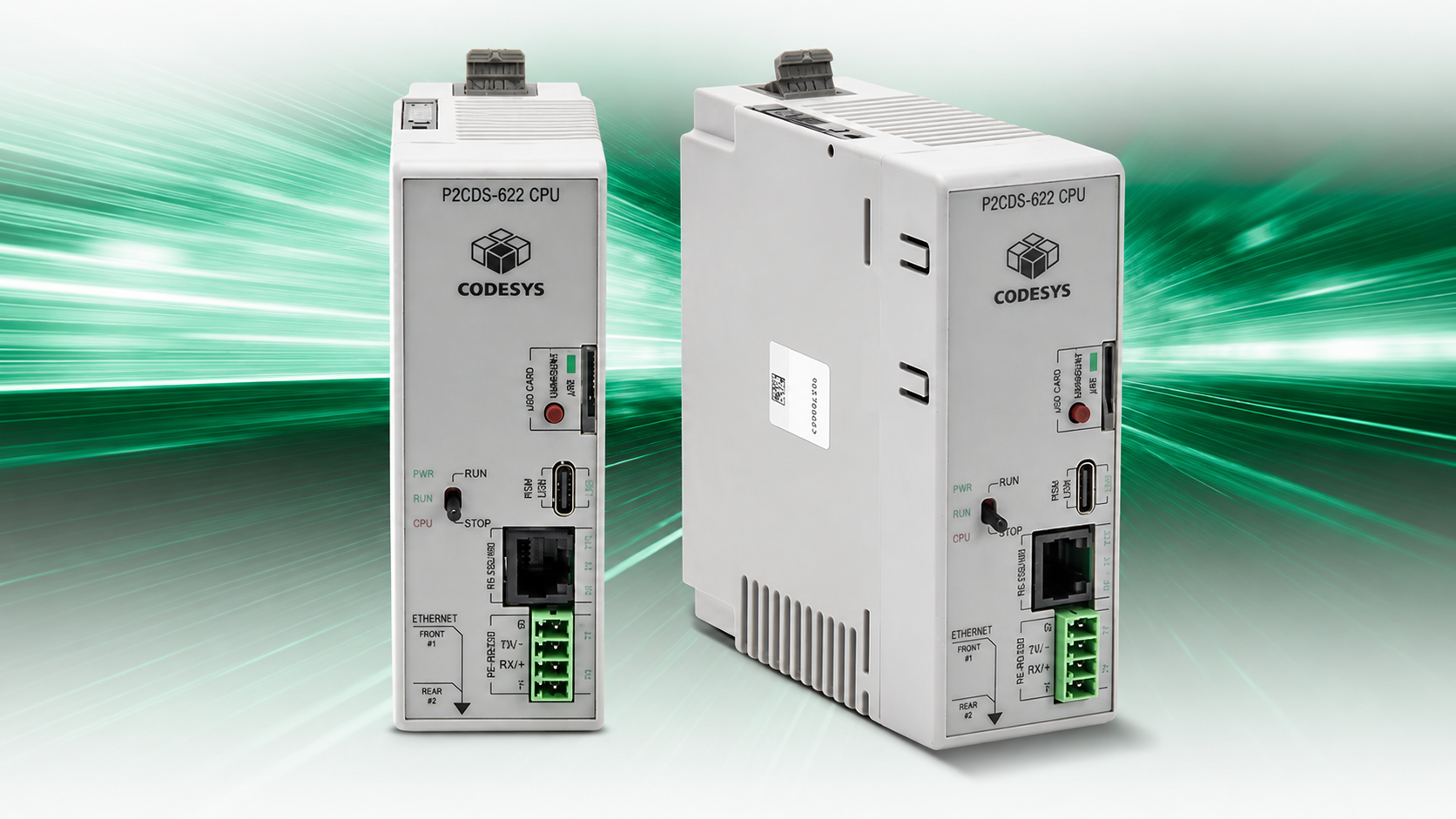
CODESYS (Controller Development System) is an IEC 61131-3 compliant software platform used for programming industrial PLCs, controllers, embedded systems, and Industrial PCs.
Unlike traditional PLC software that only works with one manufacturer, CODESYS is an open automation platform adopted by hundreds of hardware manufacturers worldwide.
Instead of learning different software for every PLC brand, engineers can use one integrated development environment (IDE) to program multiple devices.
Why CODESYS Is So Popular
Modern industries demand flexibility, lower engineering costs, and vendor-independent solutions.
CODESYS provides:
- Open automation platform
- IEC 61131-3 standard programming
- Multi-vendor hardware support
- Motion control
- Visualization (HMI)
- SoftPLC functionality
- Fieldbus integration
- Industrial IoT connectivity
Because of these capabilities, thousands of automation companies use CODESYS every day.
Main Features of CODESYS PLC
1. IEC 61131-3 Programming
CODESYS supports all five international PLC programming languages:
Ladder Diagram (LD)
Perfect for electrical engineers.
Best for:
- Motor control
- Relay logic
- Interlocking
Function Block Diagram (FBD)
Ideal for process automation.
Common uses include:
- Pumps
- PID control
- Analog processing
Structured Text (ST)
High-level programming language similar to Pascal.
Best suited for:
- Complex algorithms
- Data handling
- Industrial calculations
Sequential Function Chart (SFC)
Designed for sequence control.
Ideal for:
- Batch processes
- Machine automation
- Packaging lines
Instruction List (IL)
Legacy language retained for compatibility in some systems but largely replaced by Structured Text in modern projects.
SoftPLC Technology
One of the biggest advantages of CODESYS is its SoftPLC capability.
Instead of requiring dedicated PLC hardware, engineers can run PLC logic on:
- Industrial PCs
- Raspberry Pi
- Linux computers
- Embedded controllers
- Windows systems
This dramatically reduces hardware costs for many automation projects.
Built-In HMI Visualization
CODESYS includes integrated visualization tools.
Users can design:
- Dashboards
- Machine control screens
- Process graphics
- Alarm pages
- Trend charts
- User login systems
No additional HMI software is required for many applications.
Motion Control
CODESYS supports advanced machine automation, including:
- Servo motors
- Multi-axis synchronization
- CNC systems
- Robotics
- Electronic camming
- Gear synchronization
This makes it suitable for high-performance manufacturing equipment.
Industrial Communication Protocols
CODESYS supports a wide range of industrial communication standards, including:
- Modbus RTU
- Modbus TCP
- EtherCAT
- PROFINET
- EtherNet/IP
- CANopen
- OPC UA
- MQTT
- BACnet
- PROFIBUS (via supported hardware)
This broad compatibility allows seamless integration with sensors, drives, HMIs, and SCADA systems.
Advantages of CODESYS PLC
Vendor Independent
Works with many manufacturers instead of locking users into one ecosystem.
Easy to Learn
A modern interface helps beginners become productive quickly.
Cost Effective
Many controllers include CODESYS support, reducing software and engineering costs.
Powerful Debugging
Built-in tools include:
- Online monitoring
- Breakpoints
- Variable tracing
- Force values
- Watch windows
Scalable
Suitable for:
- Small OEM machines
- Factory automation
- Building automation
- Process industries
- Industrial IoT projects
Industries Using CODESYS
CODESYS is widely used in:
- Manufacturing
- Food and beverage
- Water and wastewater treatment
- Renewable energy
- Oil and gas
- Building automation
- Packaging machinery
- Material handling
- Automotive production
- Pharmaceutical manufacturing
Typical CODESYS PLC Applications
Examples include:
- Conveyor systems
- Bottle filling machines
- Water pumping stations
- HVAC control
- Smart factories
- Industrial robots
- Packaging machines
- Energy management systems
- Smart warehouses
- Process control plants
CODESYS vs Traditional PLC Software
| Feature | CODESYS | Traditional PLC Software |
|---|---|---|
| Multi-vendor support | ✅ Yes | ❌ Usually vendor-specific |
| IEC 61131-3 languages | ✅ Yes | ✅ Yes |
| Built-in visualization | ✅ Yes | Varies |
| Motion control | ✅ Advanced | Varies |
| SoftPLC | ✅ Yes | Limited |
| Industrial IoT support | ✅ Excellent | Depends on vendor |
| Scalability | High | Vendor dependent |
Who Should Learn CODESYS?
CODESYS is valuable for:
- PLC programmers
- Automation engineers
- Electrical engineers
- Mechatronics students
- Industrial maintenance engineers
- OEM machine builders
- System integrators
- SCADA developers
- IIoT professionals
Learning CODESYS can also improve career opportunities because many equipment manufacturers use the platform across different industries.
How to Start Learning CODESYS
A simple learning path:
- Understand PLC fundamentals.
- Install the CODESYS Development System.
- Practice with Ladder Diagram and Structured Text.
- Simulate programs before deploying them.
- Learn industrial communication protocols such as Modbus TCP and OPC UA.
- Build small automation projects and gradually explore motion control, HMI, and IIoT integration.
Future of CODESYS
As Industry 4.0 and smart manufacturing continue to expand, CODESYS is evolving with features such as:
- Edge computing
- Industrial IoT connectivity
- Cloud integration
- OPC UA enhancements
- MQTT communication
- AI-ready automation architectures
- Cybersecurity improvements
- Digital twin integration
These capabilities position CODESYS as a key platform for next-generation industrial automation.
CODESYS PLC has become one of the most flexible and widely adopted automation platforms in the world. Its compliance with the IEC 61131-3 standard, multi-vendor compatibility, integrated visualization, SoftPLC functionality, and support for modern industrial communication protocols make it a strong choice for automation professionals and organizations alike.
Whether you’re building a small machine, designing a complete manufacturing line, or implementing an Industry 4.0 solution, CODESYS provides a scalable and future-ready development environment.
Frequently Asked Questions (FAQ)
Is CODESYS free?
The CODESYS Development System is available as a free download for learning and development. Some runtime environments, add-ons, or hardware-specific licenses may require payment.
Which programming languages does CODESYS support?
It supports Ladder Diagram (LD), Function Block Diagram (FBD), Structured Text (ST), Sequential Function Chart (SFC), and Instruction List (IL) for legacy compatibility.
Can CODESYS run without a PLC?
Yes. Using SoftPLC technology, CODESYS can run on industrial PCs, embedded systems, and supported single-board computers.
Is CODESYS suitable for Industry 4.0?
Yes. It supports technologies such as OPC UA, MQTT, edge computing, and IIoT integration, making it well suited for modern smart manufacturing.