A PLC upgrade can feel like open-heart surgery when the plant still has to run. If you’re sitting on aging Siemens hardware, the hardest part often isn’t picking a new controller. It’s finding a path that limits rewiring, protects uptime, and keeps years of application work from ending up on the scrap pile.
Schneider Electric’s EcoFit PLC Replacement pitch is built around that problem. The offer focuses on moving legacy Siemens PLC systems to Modicon M580, while using software conversion tools and hardware adapters to reduce disruption. That promise sounds simple on paper, but the details are what make it useful.
What EcoFit PLC Replacement is built to do
Schneider Electric presents this as a full migration offer for industrial users who are thinking about a vendor change during a PLC modernization project. The scope starts early, with pre-sales support for project architecture and bill of materials definition. That matters because many migration projects go off course before hardware ever ships, usually when teams underestimate I/O dependencies, network ties, or the real work hidden inside an old control program.
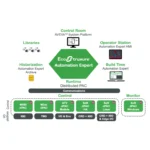
The offer then moves into application conversion. Schneider says it can convert programs from Siemens STEP 5, STEP 7, and TIA Portal into EcoStruxure Control Expert, which is the engineering suite for the Modicon platform. In plain terms, the idea is to carry over the logic that still has value, rather than forcing a full rewrite every time a plant changes PLC families.
On the hardware side, the pitch is even more practical. Schneider says a Siemens processor can be replaced with a new Modicon controller while older Siemens remote I/O drops stay in service, as long as those drops are connected over Profibus DP. For plants with large installed bases, that changes the conversation. A migration no longer has to mean pulling out every rack, every card, and every termination point at once.
The video frames this as a path to fully replace Simatic S7-300 and Simatic S7-400 systems. Schneider also outlines the broader service on its EcoFit PLC modernization services page. The core message is clear: you can modernize in stages, and you can do it without treating the whole plant like a blank sheet of paper.
The migration paths Schneider Electric highlights
One of the strongest points in the presentation is the stepwise approach. Instead of pushing a single all-at-once shutdown, Schneider describes a migration path where you replace only the processor first. In that setup, the Modicon M580 becomes the new controller, while existing Siemens remote I/O or distributed I/O islands keep running over Profibus DP.
That approach also extends to redundant hot-standby systems, which is important for plants that can’t afford a long cutover or a trial-and-error startup. Redundancy changes the stakes of any migration. When you hear that a processor-only replacement path is available for those systems too, the upgrade starts to look less like a cliff and more like a bridge.
You don’t have to replace every rack at once to move off aging Siemens hardware.
A quick comparison makes the supported paths easier to scan:
| Migration path | What changes | What stays in place | Best fit | | | | | | | Processor-only replacement | Siemens CPU is replaced with a Modicon M580 | Siemens remote or distributed I/O on Profibus DP | Plants that need a lower-impact first step | | Redundant system migration | Hot-standby processors move to the Modicon platform | Existing Profibus DP-connected I/O | High-availability applications | | I/O replacement with rewiring adapters | New I/O modules are installed | Existing field wiring | Plants trying to cut shutdown time and wiring risk | | Application conversion | Logic moves into EcoStruxure Control Expert | Existing control strategy, after validation | Projects that want to avoid a full software rewrite |
The main takeaway is that Schneider isn’t describing one narrow cutover method. It’s describing a menu of options that can match plant risk, schedule, and budget. If you want more context on the target controller, this overview of the Modicon M580 Ethernet-first controller helps explain why Schneider positions it as the landing spot for these upgrades.
The tools that cut engineering work and shutdown risk
Software does a lot of the heavy lifting in this migration story. Schneider says its automation services team developed a tool called Migration Expert, which can read a PLC backup file, recognize the installed hardware list, and generate a new bill of materials for the Modicon M580 platform with a single action. For tendering and early project planning, that kind of automation matters. It reduces guesswork, shortens front-end engineering time, and gives teams a faster way to size the job before they commit.
Application conversion is the other big piece. Schneider says legacy programs from STEP 5, STEP 7, and TIA Portal can be converted into EcoStruxure Control Expert under efficient conditions. That phrase may sound formal, but the practical meaning is simple: the end user gets more than one path forward. If a plant wants to leave a long-standing vendor relationship behind, it doesn’t have to abandon years of process logic to do it.
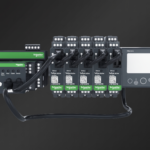
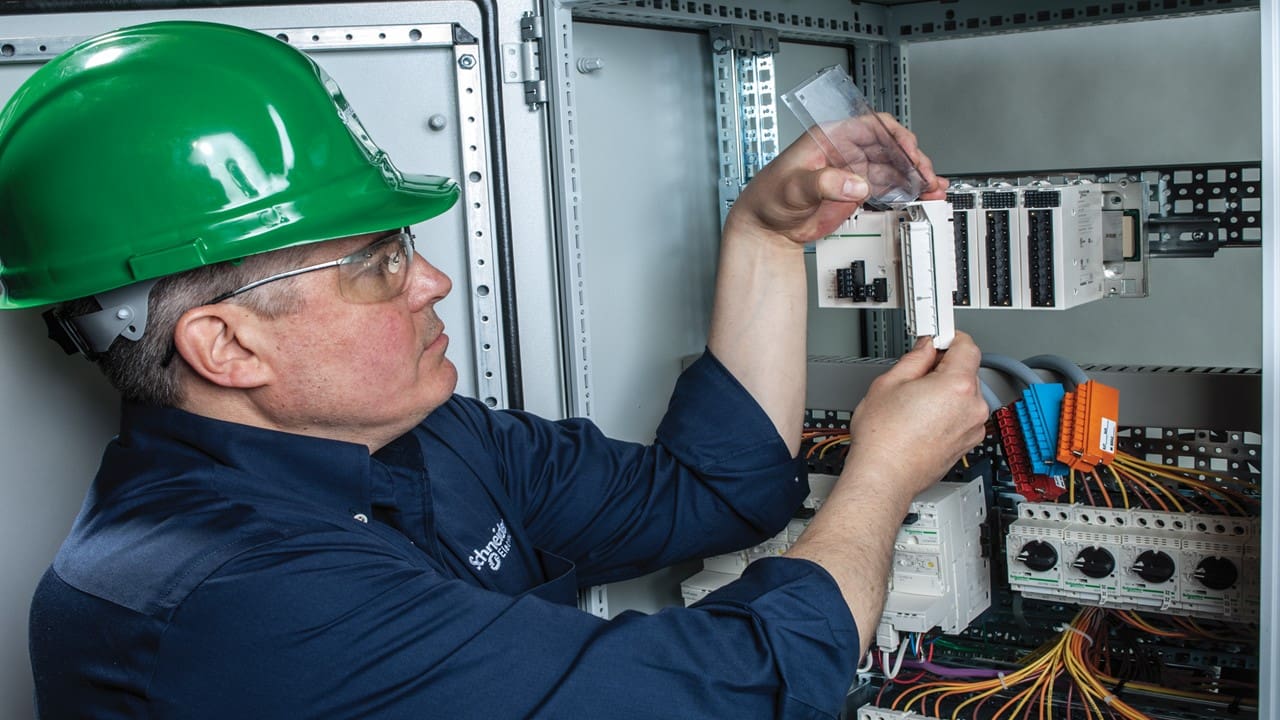
The most visible part of the presentation, though, is the use of PLC rewiring adapters. These adapters let teams replace I/O modules while keeping much of the existing field wiring in place. That lowers physical rework, which also lowers shutdown time and installation risk. Schneider says this part of the solution was developed with Weidmuller, a name that fits the hardware focus of the demo.
That hardware angle is what gives the offer teeth. Program conversion is helpful, and processor migration is important, but wiring is where many upgrades burn time. If you can swap hardware without re-landing every field conductor, the shutdown window gets smaller and the chances of a wiring error drop with it.
Schneider closes the presentation with a lab demonstration of the rewiring adapter approach. The accompanying Schneider Electric demo video says the conversion shown was completed in less than 20 minutes. That doesn’t replace site testing or loop checks, of course. Still, it shows the real point of the offer: a PLC migration becomes much more manageable when the software, controller swap, and physical wiring plan all move together.
Why this migration approach stands out
The strongest idea in Schneider Electric’s EcoFit message is also the simplest. A Siemens PLC modernization doesn’t have to be a total rip-and-replace event. It can start with the processor, keep Profibus DP-connected I/O alive, convert existing logic, and use rewiring adapters when it’s time to change the hardware at the edge.
For plants still running Simatic S7-300 or S7-400 systems, that kind of stepwise migration is the real value. It turns a risky shutdown into a controlled project, and it gives end users a practical way to move to Modicon M580 without throwing away everything that still works.