Industrial power systems don’t forgive slow decisions. A missed alarm, a bad data point, or a delayed breaker action can ripple through a plant in seconds.
That is where Schneider Electric EPAS, the EcoStruxure Power Automation System, earns its place. It gives teams a single environment for engineering, control, monitoring, and long-term upkeep across medium-voltage networks, substations, and other power-heavy sites.
If your job depends on stable electrical infrastructure, EPAS matters because it brings clearer visibility, tighter control, and a more manageable lifecycle.
What Schneider Electric EPAS is and where it fits
EPAS is Schneider Electric’s software platform for automating and supervising electrical power systems, especially medium-voltage and high-value power applications. It sits inside the broader EcoStruxure family, but it is not office software or a generic plant dashboard. It is built for electrical infrastructure where protection, speed, and trust in the data matter every hour of the day.
In practice, EPAS supports engineering, control logic, operator interfaces, monitoring, and gateway functions across substations and industrial power networks. Schneider Electric describes the EcoStruxure Power Automation System as a digital control system for designing, automating, operating, and maintaining electrical systems. That gives a good picture of its scope. It covers the full arc of a project, not only the live control screen.
The core building blocks of EPAS
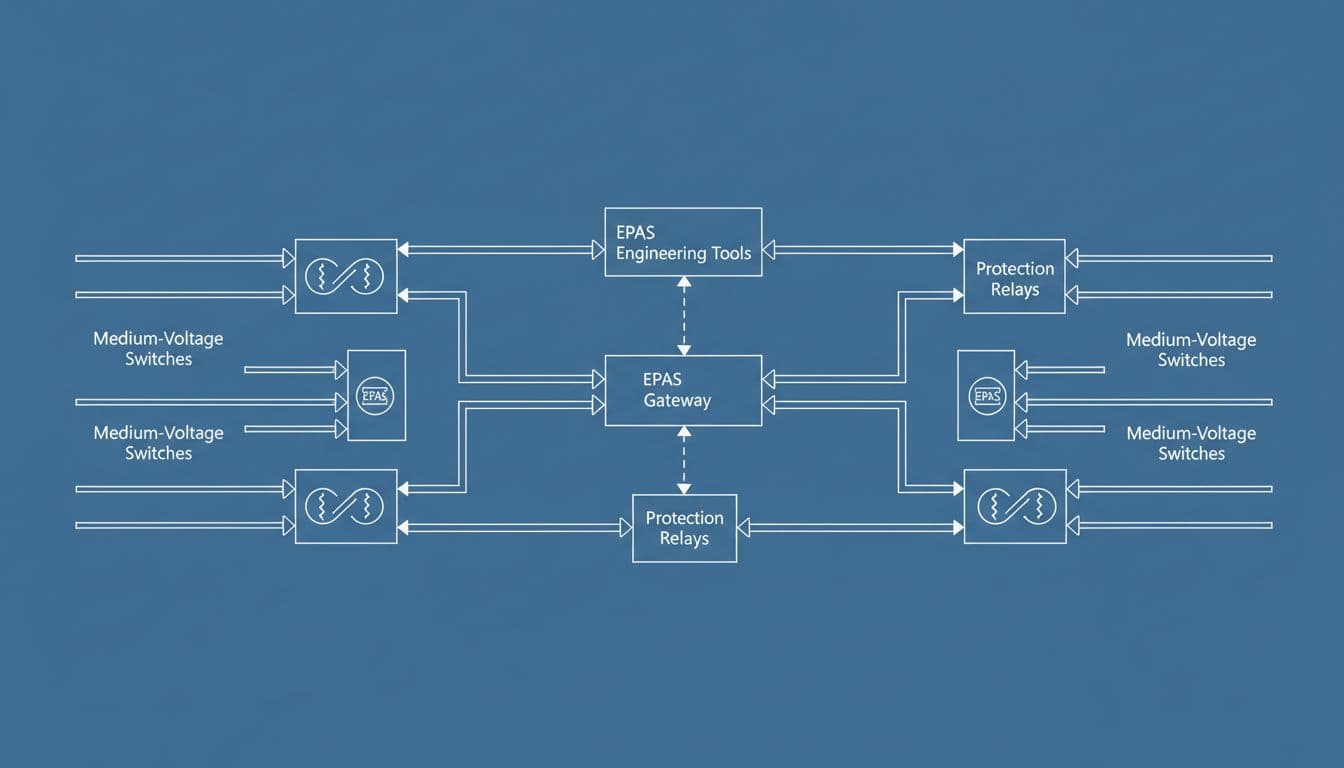
Two parts often come up first: EPAS-E and EPAS-GTW. EPAS-E handles engineering and maintenance tasks. Teams use it to configure devices, create project structures, apply reusable objects, and prepare systems for commissioning. EPAS-GTW focuses on gateway, communication, and remote-control roles. It helps move data between field devices and higher-level systems while supporting control actions and system visibility.
Together, these pieces form a connected workflow. Engineers build and configure the system, commissioning teams validate it, operators supervise it, and maintenance staff keep it current over time. Schneider Electric’s EPAS Gateway page highlights that communications layer, which is a major reason the platform works well in live power environments.
Why medium-voltage control needs a dedicated platform
Medium-voltage control is a different animal from simple machine automation. In a power network, one event can affect feeder coordination, protection settings, load transfer, and service continuity all at once. Operators need clean data and fast actions, not guesswork.
That is why dedicated substation and power-control tools matter. EPAS is built for these conditions. It deals with relays, breakers, transformers, communication gateways, and remote substations, all in one operating picture. If you want a broader look at this type of environment, optimized SCADA for substation control shows why live monitoring and control are central to reliable power management.
In medium-voltage systems, speed is important, but trustworthy context is what keeps a fast action from becoming the wrong action.
How EPAS helps teams design and run smarter power systems
The daily value of EPAS is simple: it reduces repeated work and gives operators a clearer view of the electrical system. That matters during design, and it matters even more at 2 a.m. when an alarm hits and someone needs to act fast.
For many sites, the payoff is consistency. Engineering standards stay tighter, screens look familiar across projects, and the path from commissioning to maintenance is less messy. Schneider Electric’s EPAS eBrochure frames this around the full project lifecycle, from build to operation and maintenance, and that is the right lens.
Templates and reusable engineering that save time
No one wants to build the same feeder object ten times by hand. EPAS supports templates and reusable project elements, so teams can create standards once and apply them across many bays, devices, or substations.
That saves time during the first deployment, but it also pays off later. When a plant expands, adds a new switchboard, or changes a relay family, engineers are not starting from a blank page. They can work from a proven structure, which lowers errors and makes reviews easier.
Real-time control, monitoring, and event tracking
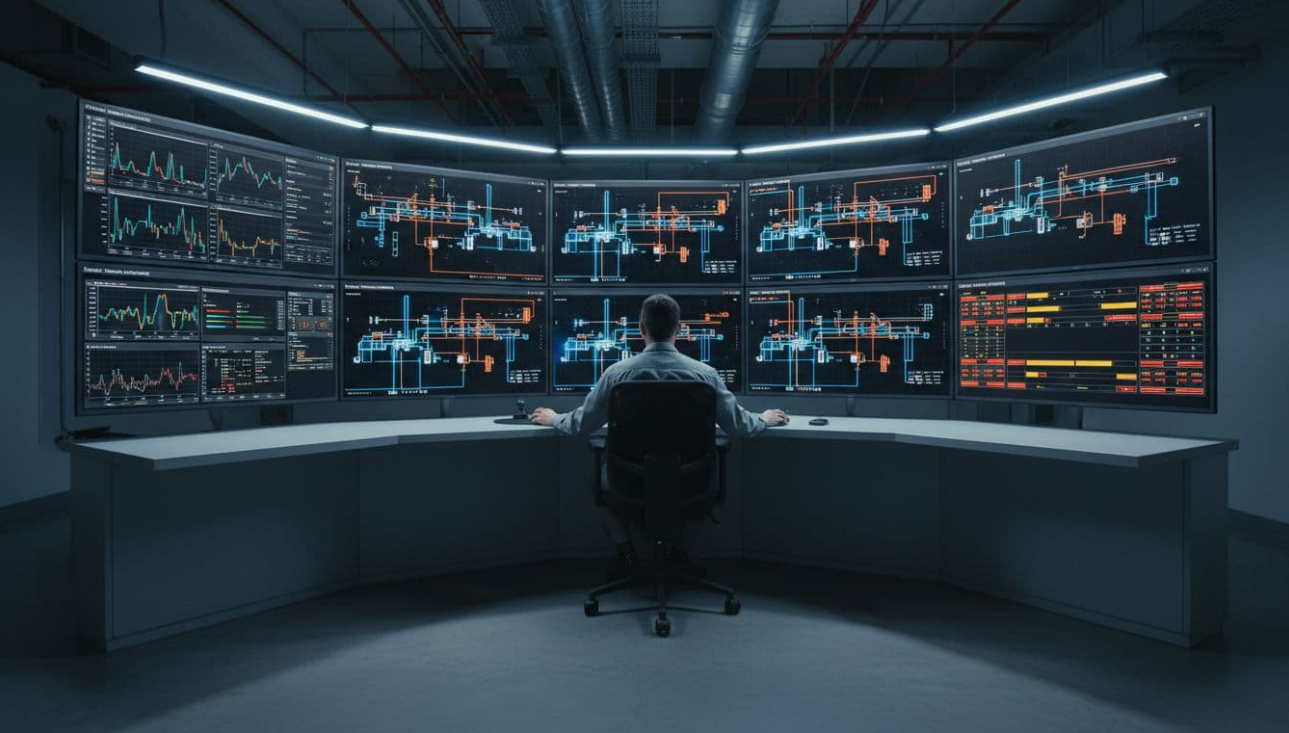
Live visibility is where power automation earns its keep. EPAS helps operators watch measurements, status changes, alarms, and events in real time. If a breaker trips or a feeder goes out of limits, the system can present the event with the context needed for quick action.
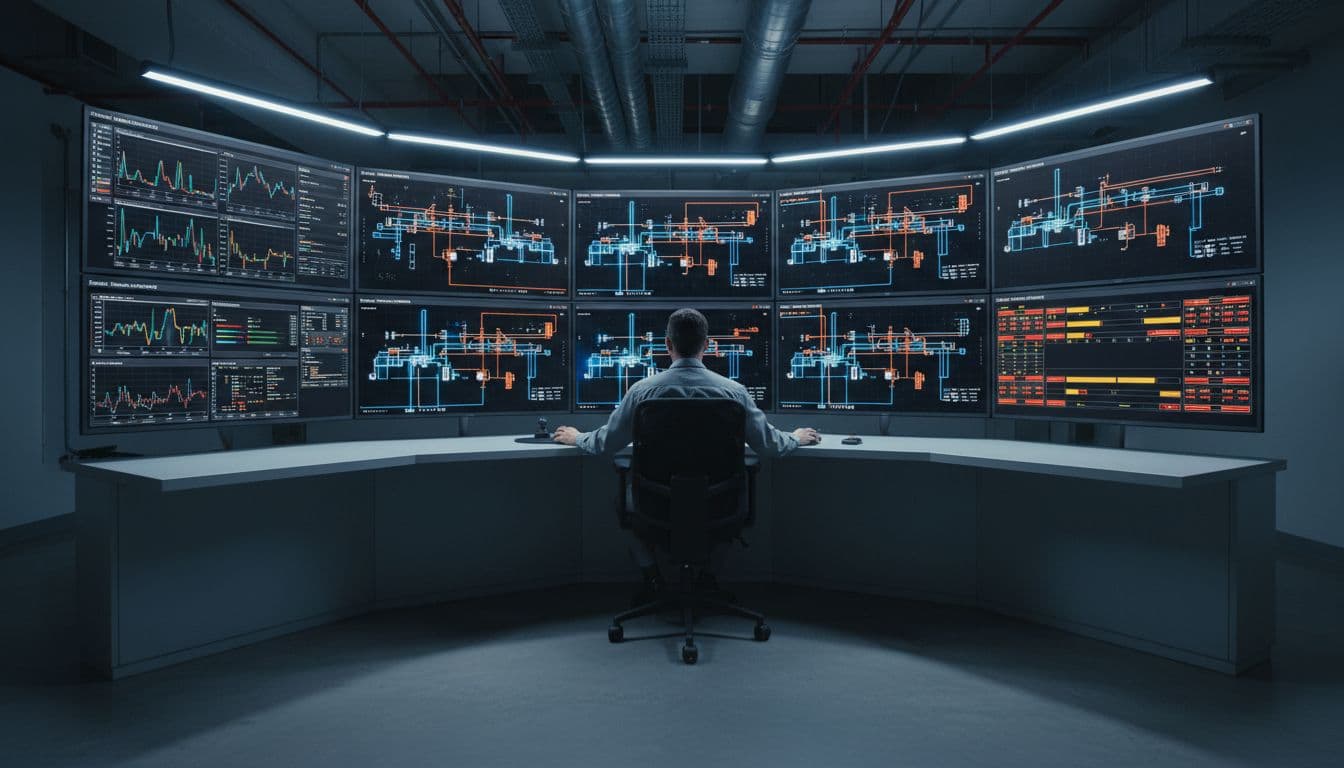
Good event records matter because memory fades, but logs do not. Clear timestamps and event history help teams trace faults, confirm sequences, and avoid repeated mistakes. For operators who already work in Schneider’s power stack, EcoStruxure Power Operation explained gives useful context on how real-time power supervision fits into the wider platform.
Built for mixed equipment and multi-vendor environments
Very few industrial sites are pure greenfield builds. Most have a mix of old and new gear, often from several vendors. EPAS is attractive because it is built to work across that reality, not against it.
Vendor-independent operation matters for two reasons. First, it protects past investments in relays, controllers, and communication devices. Second, it gives owners more freedom when they plan upgrades. If you are dealing with relay integration and standards-based communication, this guide to IEC 61850 MiCOM relay SCADA communication shows how important open interoperability is in substation automation.
The main benefits for industrial control and automation teams
The strongest case for EPAS is not flashy. It is practical. Teams spend less time rebuilding engineering work, they get clearer data during faults, and they can maintain the system with less friction over time.
That kind of gain often shows up as better uptime and fewer surprises. It also shows up in handover quality, audit readiness, and smoother expansion projects.
Stronger safety and cybersecurity from the start
Power automation lives close to critical infrastructure, so cybersecurity cannot be an afterthought. EPAS is built with this in mind, including access control, user traceability, and recordkeeping that supports compliance work.
For many facilities, alignment with standards such as IEC 62443 matters as much as raw features. Teams need to know who changed what, when it changed, and whether the action was approved. Audit-ready logs help during internal reviews, regulated inspections, and post-event analysis. Schneider’s available EPAS user documentation, including the EPAS user interface manual, also points to the structured operator environment behind these workflows.
Faster fault response and more reliable operations
Electrical faults rarely arrive with a polite warning. They show up as trips, alarms, voltage swings, or missing communications, and operators need to sort the signal from the noise fast.
EPAS helps by pulling events and status data into one working view. That makes fault isolation quicker and service restoration more controlled. When people can see sequence-of-events data, device states, and control paths without hunting through multiple systems, response time drops and confidence rises.
A platform that can grow with new energy demands
Industrial power is changing. Sites are adding renewables, energy storage, remote assets, and more pressure to manage power quality closely. As of April 2026, Schneider Electric’s wider EcoStruxure portfolio is also pushing harder into predictive maintenance and AI-assisted operations, with releases such as TeSys Tera and Foresight Operation pointing toward richer lifecycle visibility across electrical assets.
EPAS fits that direction because it gives a stable control and monitoring layer for complex electrical systems now, while leaving room for modernization later. That flexibility matters if your site is planning new loads, microgrid functions, or phased upgrades rather than a full replacement.
Where Schneider Electric EPAS is used in the real world
EPAS makes the most sense where electrical coordination is a daily operational issue, not a side task. You see that in utility-facing systems, industrial substations, energy-intensive plants, and distributed power sites.
Power generation, transmission, and distribution
In power generation and network applications, EPAS supports monitoring, control coordination, and communications between field devices and supervisory layers. That helps operators keep substations aligned, track feeder states, and manage protection-related events with less delay.
The same idea applies in industrial power distribution. Large plants often run their own substations, ring networks, and backup schemes. EPAS gives those systems a more organized control backbone.
Substations, microgrids, and renewable energy sites
Distributed energy changes the rhythm of a power system. Solar output shifts, battery storage cycles, and local loads can swing quickly. EPAS helps teams monitor these changes, coordinate remote assets, and keep a clean view of network status.
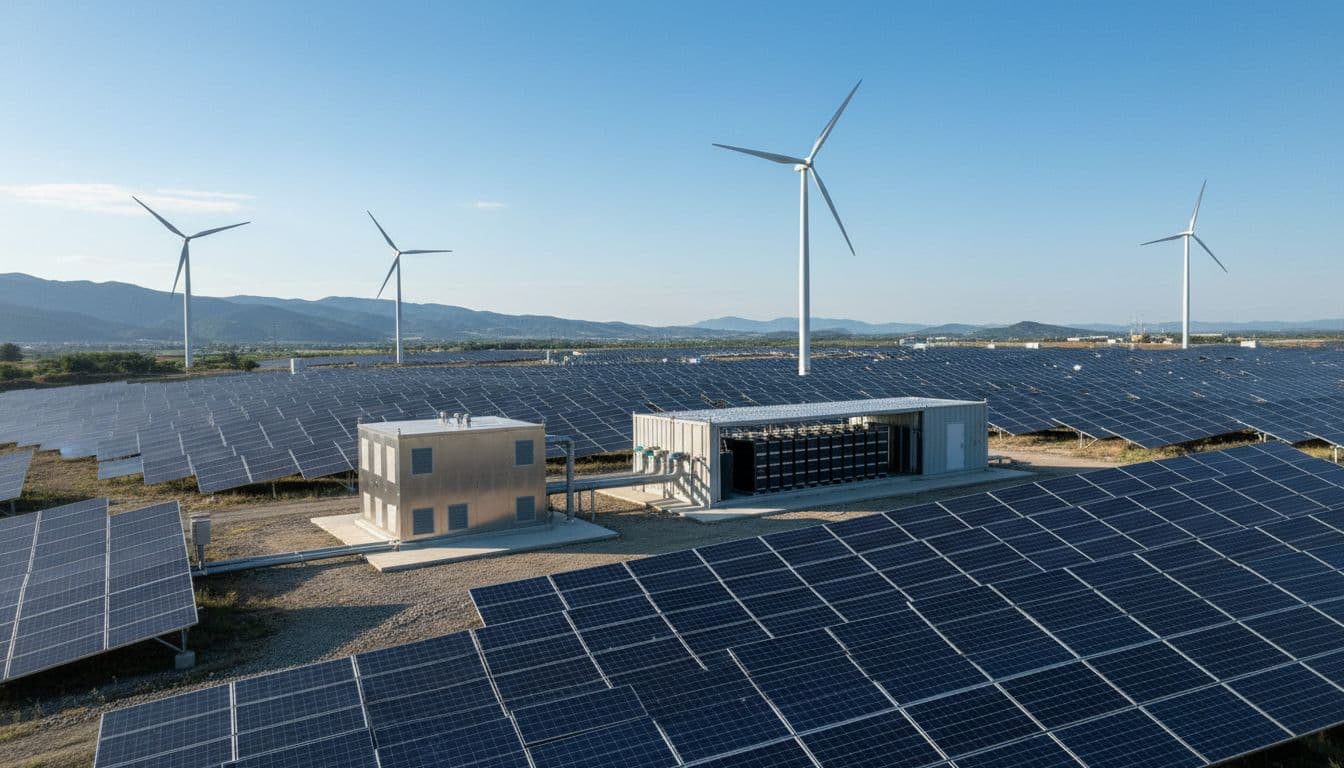
That makes it useful for microgrids, renewable sites, and substations with remote communication needs. Gateway tools are especially helpful when the system must gather data from scattered devices and present it in one place.
Modernizing older systems without starting over
Many facilities cannot afford a full rip-and-replace project. They need to digitize step by step while keeping dependable equipment in service. EPAS supports that practical path.
Because it can work in mixed-device environments, teams can update supervision, gateway functions, and engineering workflows while retaining selected relays, breakers, or controllers. That lowers risk and spreads capital costs over time. The result is modernization that feels more like careful renovation than demolition.
What to know before choosing EPAS for your facility
EPAS is a strong option, but fit still matters. The best results come when the project team looks beyond product lists and asks how the platform will live inside the site for years.
When EPAS is a strong fit
It fits best in medium-voltage networks, substation-heavy facilities, and sites that need close control over electrical distribution. It also makes sense when the device mix is broad and long-term lifecycle support matters as much as initial commissioning.
Plants with multiple substations, remote assets, or strict uptime targets often benefit most. So do teams that want a common engineering environment instead of scattered tools.
Questions to ask before implementation
Start with the basics. Which devices need to connect, which standards are required, and how much remote control is expected? Then look at training, change management, and support. A good platform still needs people who know how to engineer it, operate it, and maintain it.
It also helps to ask how future expansion will work. Can the design standard grow with new feeders, renewable assets, or revised cybersecurity rules? Those answers often decide whether the project stays clean five years from now.
Conclusion
Schneider Electric EPAS brings the key pieces of industrial power automation into one place: engineering, control, monitoring, communications, and lifecycle support. That matters because electrical systems need more than visibility. They need order, speed, and records you can trust.
For teams running medium-voltage networks, substations, or power-dense industrial sites, the platform’s real value is clarity under pressure. When the system gets noisy, EPAS helps people see what happened, act faster, and keep the grid inside the fence steady.