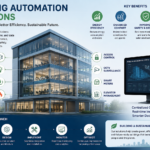
Welcome to our in-depth exploration of optimized SCADA (Supervisory Control and Data Acquisition) for substation control. In this article, we will delve into the world of substation automation and the role of SCADA systems in enhancing the efficiency of substation control and monitoring.
Substation control and monitoring systems are critical in ensuring the reliable and efficient operation of electrical substations. With the advancement of technology, SCADA systems have become an integral part of substation automation, offering real-time monitoring and control capabilities that optimize power management.
By leveraging SCADA systems, utilities can remotely monitor and control various substation components, such as intelligent electronic devices (IEDs) and remote terminal units (RTUs). This automation enables efficient and seamless operations, reducing the risks and costs associated with manual intervention.
With optimized SCADA for substation control, operators gain a holistic view of the substation’s performance, allowing them to detect and respond to anomalies promptly. Real-time monitoring capabilities provide valuable insights into the power system, enabling effective decision-making and ensuring optimal performance.
Furthermore, substation automation powered by SCADA systems allows for the integration of intelligent substations into the larger smart grid infrastructure. This integration leads to improved power distribution, efficient voltage, and current monitoring, load balancing, and fault detection.
As we proceed in this article, we will explore various aspects of SCADA systems, including their role in power system management, condition monitoring, remote control systems, power distribution automation, asset management, and their crucial role in intelligent substations.
Key Takeaways:
- Optimized SCADA systems enhance substation control and monitoring
- SCADA enables remote monitoring and control of substation components
- Real-time monitoring facilitates prompt anomaly detection and response
- SCADA integration in smart grid technology optimizes power distribution
- Efficient condition monitoring ensures optimal substation performance
Understanding Substation Automation
In this section, we will delve deeper into substation automation and explore the role of intelligent electronic devices (IEDs) and remote terminal units (RTUs) in automating various functions within a substation. Substation automation revolutionizes the way substations are controlled and managed, allowing for remote control and enhanced efficiency.
Intelligent electronic devices (IEDs) are at the heart of substation automation. These devices are equipped with advanced sensors and processors that collect and analyze data in real time. They enable precise control and monitoring of substation equipment, optimizing performance and minimizing operational costs.
Remote terminal units (RTUs) play a crucial role in substation automation by facilitating communication between the IEDs and the central control system. RTUs are responsible for collecting and transmitting data from IEDs to the control center, enabling operators to make informed decisions and take immediate action when necessary.
Substation automation, powered by intelligent electronic devices and remote terminal units, brings numerous benefits to the power industry. It improves operational efficiency, reduces downtime, and enhances system reliability.
With the integration of these intelligent components, substation automation allows for remote control and operation, eliminating the need for physical presence at substations. This results in significant cost savings and increased safety for personnel.
Furthermore, substation automation enables faster response times to power system abnormalities. Operators can remotely monitor equipment, detect faults, and implement corrective actions proactively, minimizing downtime and ensuring uninterrupted power supply.
The visualization and analytics capabilities of substation automation systems provide operators with valuable insights into the performance of the substation. This data-driven approach enables predictive maintenance, optimizing asset lifespan and reducing maintenance costs.
Benefits of Substation Automation:
- Enhanced control and monitoring of substation equipment
- Improved operational efficiency and reduced costs
- Remote operation and control, eliminating the need for physical presence
- Faster response times to power system abnormalities
- Data-driven predictive maintenance, optimizing asset performance
Substation Automation in Action:
To illustrate the practical implementation of substation automation, consider the following example.
| Component | Function |
|---|---|
| Intelligent Electronic Device (IED) | Collects real-time data from substation equipment, analyzes performance, and communicates with the control center |
| Remote Terminal Unit (RTU) | Facilitates data transmission between IEDs and the central control system, enabling remote monitoring and control |
| Central Control System | Receives data from RTUs and IEDs, provides operators with real-time information, and enables remote control of substation equipment |
By utilizing the interconnected capabilities of intelligent electronic devices and remote terminal units, substation automation empowers operators with seamless control and monitoring of substations, ensuring optimized performance and reliability.
Power System Management through SCADA
In the realm of substation control and monitoring systems, power system management plays a critical role in ensuring the efficient operation of electrical grids. One technology that enables effective power system management is Supervisory Control and Data Acquisition (SCADA). SCADA systems provide real-time monitoring capabilities that allow operators to detect and respond to anomalies promptly, ensuring the reliability and stability of the power grid.
Real-time monitoring is essential in power system management as it enables operators to closely monitor crucial parameters such as voltage levels, current flows, and equipment status. With SCADA, operators gain a comprehensive view of the entire power system, allowing them to identify potential issues before they escalate into major problems.
The ability to monitor substation control and monitoring systems in real time empowers operators to make timely decisions and take corrective actions as needed. This proactive approach to power system management minimizes the risk of disruptions and ensures optimal performance of the electrical grid.
Furthermore, SCADA systems provide a centralized platform for data collection, analysis, and reporting. This data-driven approach allows operators to gain valuable insights into power system performance, identify trends and patterns, and implement preventive maintenance strategies. By leveraging the power of data, operators can optimize power system management and improve overall grid reliability.
Benefits of Power System Management through SCADA:
- Real-time monitoring for prompt anomaly detection
- Proactive decision-making to prevent disruptions
- Data-driven insights for optimized performance
- Improved grid reliability and stability
“SCADA systems enable operators to effectively manage power systems, providing the necessary tools for real-time monitoring and data analysis. This allows for efficient power system management, ensuring the reliability and stability of electrical grids.”
| Key Features | Benefits |
|---|---|
| Real-time monitoring | Prompt detection of anomalies and timely response |
| Data collection and analysis | Valuable insights for optimized performance |
| Centralized platform | Efficient management of substation control and monitoring systems |
In conclusion, power system management through SCADA is a vital aspect of substation control and monitoring systems. By leveraging real-time monitoring and data-driven insights, operators can ensure the reliability and stability of electrical grids, optimizing performance and minimizing disruptions.
Leveraging Smart Grid Technology
Substation control and monitoring systems have significantly evolved with the adoption of smart grid technology. This revolutionary advancement has revolutionized power distribution, allowing for more efficient control and management of substations.
One of the key components in leveraging smart grid technology is the integration of intelligent electronic devices (IEDs) into the infrastructure. These devices enable real-time communication and data exchange, enhancing the monitoring and control capabilities of substation systems.
“The integration of intelligent electronic devices into the smart grid infrastructure enables seamless coordination and efficient management of substations, optimizing power distribution.”
With the deployment of intelligent electronic devices, substations can monitor various parameters such as voltage levels, power quality, and load demand. This real-time monitoring allows for proactive decision-making, optimizing power distribution, and minimizing operational downtime.
The substation control and monitoring systems interface with smart grid technology, utilizing advanced communication protocols to exchange information between various components. This integration enables efficient coordination and seamless operation of substations within the broader electrical grid.
Furthermore, smart grid technology allows for advanced functionalities such as demand response and load forecasting. By analyzing real-time data and consumer behavior patterns, substations can adjust their power distribution strategies to optimize energy efficiency and cater to changing demands.
In summary, smart grid technology plays a pivotal role in substation control and monitoring systems, enhancing their efficiency and capability. The integration of intelligent electronic devices into the infrastructure empowers substations to leverage real-time data, enabling optimal power distribution and seamless operation within the electrical grid.
Benefits of leveraging smart grid technology:
- Optimized power distribution
- Real-time monitoring and control
- Proactive decision-making for efficient operations
- Advanced functionalities such as demand response and load forecasting
Integration of intelligent electronic devices:
| Component | Functionality |
|---|---|
| Intelligent electronic devices (IEDs) | Real-time communication and data exchange |
| Advanced communication protocols | Efficient coordination with other grid components |
Condition Monitoring for Enhanced Performance
In substation control and monitoring systems, condition monitoring plays a crucial role in ensuring optimal performance and minimizing downtime. By utilizing advanced monitoring techniques, operators can detect equipment failures and potential problems at an early stage, allowing for timely intervention and maintenance.
Condition monitoring involves the continuous assessment of various parameters such as temperature, vibration, and electrical characteristics of substation equipment. Through the collection and analysis of this data, potential issues can be identified before they escalate into major failures, leading to improved reliability and performance of the substation.
Intelligent substations are equipped with sophisticated sensors and monitoring devices that provide real-time data on the condition of critical components. This enables operators to make informed decisions regarding maintenance activities, ensuring that resources are allocated efficiently and effectively.
With condition monitoring, substation control, and monitoring systems can proactively address potential problems, reducing the risk of unexpected failures and subsequent downtime. By staying ahead of maintenance requirements, operators can optimize the availability and extend the lifespan of substation equipment.
“Condition monitoring allows us to gain insights into the health of substation equipment, enabling us to take preventative measures and minimize disruptions to power supply.”
Benefits of Condition Monitoring
Implementing condition monitoring in substation control and monitoring systems brings several benefits, including:
- Early detection of equipment failures and potential problems
- Proactive maintenance planning and resource allocation
- Reduced downtime and improved reliability
- Optimized performance and efficiency
- Extended lifespan of substation equipment
By leveraging the power of condition monitoring, operators can ensure the smooth operation of substation control and monitoring systems, contributing to the overall stability and reliability of the electrical grid.
| Parameter | Monitoring Method |
|---|---|
| Temperature | Thermographic cameras, temperature sensors |
| Vibration | Vibration sensors, accelerometers |
| Electrical characteristics | Power quality analyzers, online monitoring systems |
Remote Control Systems for Efficient Operations
In today’s fast-paced world, remote control systems have revolutionized substation operations, offering numerous benefits for efficient management. These systems allow operators to perform tasks remotely, eliminating the need for physical presence at substations and reducing operational costs.
The role of remote control systems in electrical grid management is paramount. With the ability to monitor and control substation equipment from a centralized location, operators can quickly identify and address issues, ensuring the smooth operation of the electrical grid. By remotely managing the electrical grid, operators can optimize power distribution, minimize downtime, and improve overall system reliability.
The benefits of remote control systems extend beyond improved efficiency. They also enhance the safety of substation operations by minimizing exposure to potential hazards. Operators can remotely execute maintenance tasks without the need to enter hazardous areas, safeguarding their well-being.
“Remote control systems empower us to take control of substation operations from anywhere, enabling us to respond swiftly to unforeseen events, ensure grid stability, and provide reliable power supply to consumers.”
Additionally, remote control systems enable faster response times to emergencies or faults in the system. Operators can quickly analyze and diagnose issues remotely, reducing outage durations and minimizing the impact on consumers.
Improved Efficiency and Flexibility
By leveraging remote control systems, substation operators can optimize their workflow and allocate resources more efficiently. The ability to access real-time data and remotely perform tasks results in faster decision-making and streamlined processes.
Furthermore, remote control systems enhance the flexibility of substation operations. Operators can conveniently manage multiple substations, geographically dispersed, from a single control center, maximizing system efficiency and reducing manpower requirements.
Enhanced Grid Resilience
The integration of remote control systems into substation automation plays a crucial role in enhancing the resilience of the electrical grid. By remotely monitoring and controlling critical components, operators can proactively identify potential issues and implement preventative measures. This proactive approach helps prevent system failures, reducing the likelihood of widespread outages and improving grid reliability.
With remote control systems, operators can also remotely switch between power sources, reroute power when necessary, and implement load-shedding strategies, ensuring a balanced distribution and efficient utilization of available resources.
Power Distribution Automation for Seamless Operations
In today’s rapidly evolving energy landscape, power distribution automation plays a vital role in enabling seamless operations and efficient control of substations. By integrating automation technologies into the distribution network, substations can achieve enhanced voltage and current monitoring, load balancing, and fault detection, ensuring uninterrupted power supply.
One of the key aspects of power distribution automation is substation automation, which involves the use of intelligent electronic devices (IEDs) and advanced communication systems to automate various functions within a substation. These IEDs, such as smart meters and sensors, enable real-time monitoring of voltage and current, providing valuable data for effective power management.
With power distribution automation, substations can optimize load balancing, ensuring an even distribution of power across different feeders. By continuously monitoring the current flow and load demand, substations can automatically adjust power allocation, preventing overloading or underutilization of resources. This not only improves the overall efficiency of the distribution network but also minimizes the risk of equipment failures and voltage fluctuations.
Fault detection and quick response are crucial for maintaining a stable power supply. Power distribution automation systems employ advanced fault detection algorithms that can quickly identify potential issues, such as short circuits or equipment malfunctions, and isolate the affected areas. This allows operators to take immediate action and minimize downtime, ensuring uninterrupted power to consumers.
Efficient power distribution automation heavily relies on accurate voltage and current monitoring. Advanced monitoring systems provide real-time data on voltage levels, allowing operators to closely monitor the stability of the distribution network. By detecting any deviations from the desired voltage range, substations can quickly identify and address potential issues, ensuring the consistent delivery of quality power.
| Benefits of Power Distribution Automation |
|---|
| Enhanced voltage and current monitoring Efficient load balancing Quick fault detection and isolation Minimized downtime Improved power quality |
By embracing power distribution automation, substations can achieve seamless operations, ensuring an uninterrupted power supply to consumers. The integration of automation technologies, such as substation automation and advanced monitoring systems, enables substations to optimize power management, enhance efficiency, and respond swiftly to any anomalies. In an increasingly interconnected energy ecosystem, power distribution automation is essential for maintaining a reliable and robust distribution network.
Power Distribution Automation in Action
“Power distribution automation has revolutionized the way we manage and control substations. With advanced monitoring systems and intelligent automation technologies, we can ensure reliable and uninterrupted power supply to our customers, even in the face of unforeseen challenges.”
In the next section, we will explore the crucial role of asset management in substation control and monitoring systems, emphasizing its impact on long-term sustainability and optimized performance.
Asset Management for Long-Term Sustainability
Effective asset management is crucial for the long-term sustainability and optimal performance of substation control and monitoring systems. By implementing robust asset management strategies, power system operators can ensure the longevity of their substations while reducing operational costs.
Asset management involves the systematic planning, operation, and maintenance of substation equipment to maximize its value over its entire lifecycle. This approach allows operators to identify and address potential issues before they escalate, minimizing downtime and improving overall system reliability.
One key aspect of asset management is conducting regular inspections and condition assessments of critical components such as transformers, circuit breakers, and relays. By monitoring the condition of these assets and identifying any signs of deterioration or impending failure, operators can proactively schedule maintenance activities and avoid costly unscheduled outages.
Benefits of Asset Management in Substation Control and Monitoring Systems
Implementing effective asset management strategies in substation control and monitoring systems offers a range of benefits, including:
- Enhanced reliability: By prioritizing maintenance activities based on asset condition, operators can ensure the reliable operation of substation equipment, minimizing the risk of unexpected failures.
- Optimized performance: Through regular inspections and maintenance, asset management improves the performance of substation control and monitoring systems, allowing for more efficient power system management.
- Extended equipment lifespan: By addressing issues promptly and conducting preventive maintenance, asset management helps prolong the lifespan of substation equipment, reducing the need for costly replacements.
- Cost savings: By minimizing equipment failures and unscheduled outages, asset management reduces operational costs associated with emergency repairs and service disruptions.
Asset management also plays a crucial role in ensuring regulatory compliance and meeting performance targets set by regulatory authorities. By maintaining accurate records of asset conditions, maintenance activities, and performance metrics, operators can demonstrate their commitment to maintaining system reliability and complying with industry standards.
“Proper asset management allows power system operators to proactively address potential issues, improving system reliability and minimizing downtime.”
By integrating asset management practices into substation control and monitoring systems, power system operators can optimize the performance and longevity of their assets, ensuring a sustainable and efficient power system.
| Benefits of Asset Management | Description |
|---|---|
| Enhanced reliability | By prioritizing maintenance activities based on asset condition, operators can ensure the reliable operation of substation equipment, minimizing the risk of unexpected failures. |
| Optimized performance | Through regular inspections and maintenance, asset management improves the performance of substation control and monitoring systems, allowing for more efficient power system management. |
| Extended equipment lifespan | By addressing issues promptly and conducting preventive maintenance, asset management helps prolong the lifespan of substation equipment, reducing the need for costly replacements. |
| Cost savings | By minimizing equipment failures and unscheduled outages, asset management reduces operational costs associated with emergency repairs and service disruptions. |
“Proper asset management allows power system operators to proactively address potential issues, improving system reliability and minimizing downtime.”
The Role of SCADA in Intelligent Substations
In the realm of intelligent substations, SCADA systems play a pivotal role in enabling enhanced control and monitoring capabilities. With their sophisticated features and functionalities, SCADA systems empower operators to make data-driven decisions and optimize overall efficiency.
SCADA, an acronym for Supervisory Control and Data Acquisition, acts as the nerve center of intelligent substations. By integrating various substation control and monitoring systems, SCADA provides a cohesive platform for managing critical operations.
One of the key benefits of SCADA systems is their ability to collect real-time data from intelligent electronic devices (IEDs) and remote terminal units (RTUs) installed in substations. This data encompasses vital information about voltage levels, load conditions, power quality, and equipment performance.
By linking these data points, SCADA systems enable operators to monitor substation operations comprehensively. Through intuitive interfaces, operators gain access to insightful visualizations, alarms, and historical data trends, facilitating swift understanding and analysis of the substation’s state.
The role of SCADA in intelligent substations extends beyond monitoring; it also facilitates control and automation. Operators can remotely control substation equipment, manipulate settings, and execute commands to optimize operations. With SCADA acting as a centralized control hub, operators can manage switching operations, load shedding, and fault detection, improving the overall reliability and resilience of the substation.
Moreover, SCADA systems empower operators to implement advanced control strategies, such as automatic load management and load balancing. By continuously monitoring the substation’s status, SCADA can intelligently distribute electrical loads, ensuring optimal utilization of resources and minimizing stress on the grid.
SCADA systems streamline substation operations, enabling efficient control, monitoring, and automation, leading to improved power system management and enhanced operational reliability.
As intelligent substations become increasingly complex, SCADA systems evolve to meet the ever-growing demands of the power industry. They integrate seamlessly with emerging technologies like the Internet of Things (IoT) and cloud computing, enabling enhanced connectivity and scalability.
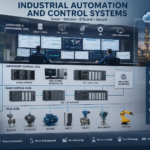
The image below illustrates the central role of SCADA systems in intelligent substations:
Advantages of SCADA in Intelligent Substations
| Advantage | Description |
|---|---|
| Real-time monitoring | Enables continuous monitoring of substation parameters, detecting anomalies promptly. |
| Remote control and automation | Allows operators to control substation equipment remotely, improving efficiency and response time. |
| Data-driven decision-making | Provides operators with comprehensive data insights for informed decision-making and proactive maintenance. |
| Enhanced reliability | Improves overall power system reliability through intelligent fault detection and effective load management. |
| Integration with emerging technologies | Seamlessly integrates with IoT and cloud computing, enabling future scalability and adaptability. |
The role of SCADA in intelligent substations is instrumental in achieving efficient substation control, enabling operators to monitor, control, and automate critical operations seamlessly. By harnessing the power of data and advanced functionalities, SCADA systems drive the transformation of substations into intelligent, future-ready assets.
Conclusion
Throughout this article, we have explored the various aspects of substation control and monitoring systems, intelligent substations, and SCADA systems. By leveraging optimized SCADA technology, substation control and monitoring systems enhance power management, leading to robust and efficient operations.
Intelligent substations play a crucial role in modern power distribution, enabling seamless control and monitoring of substation equipment. SCADA systems serve as the backbone of intelligent substations, providing real-time data and insights to facilitate efficient decision-making.
From power system management to remote control systems, and condition monitoring to power distribution automation, SCADA technology empowers operators with the tools they need for efficient substation operations. With the integration of intelligent electronic devices and remote terminal units, substation control becomes more streamlined and effective.
In conclusion, substation control and monitoring systems, powered by optimized SCADA technology, are instrumental in achieving robust power management. Intelligent substations, with their advanced functionalities, further optimize operations. SCADA systems enable data-driven decision-making and provide the necessary tools to monitor and control substation equipment with precision. By embracing these advancements, power companies can ensure efficient and reliable supply to meet the growing demands of the modern world.
FAQ
What are substation control and monitoring systems?
Substation control and monitoring systems refer to the technology and infrastructure used to control and monitor the operations of electrical substations. These systems utilize various components such as SCADA (Supervisory Control and Data Acquisition) systems, intelligent electronic devices (IEDs), and remote terminal units (RTUs) to ensure efficient management and reliable power distribution.
How do SCADA systems enhance substation control?
SCADA systems play a crucial role in substation control by providing real-time monitoring and control capabilities. With SCADA, operators can remotely monitor the status of substation equipment, analyze key performance indicators, detect abnormalities, and take necessary actions to optimize power management. SCADA systems enable centralized control and monitoring, enhancing the overall efficiency and reliability of substations.
What are the benefits of substation automation?
Substation automation brings numerous benefits to power system management. By leveraging intelligent electronic devices (IEDs) and remote terminal units (RTUs), substations can achieve automated control and monitoring, reducing the need for manual intervention. Substation automation improves reliability, allows for faster response to faults, enhances system efficiency, and enables accurate data collection for analysis and decision-making.
How does real-time monitoring contribute to power system management?
Real-time monitoring is a critical aspect of power system management. It allows operators to continuously monitor voltage, current, and other key parameters within the substation. By detecting anomalies or abnormalities in real time, operators can take prompt actions to prevent potential faults or power disturbances. Real-time monitoring ensures the stability and reliability of the power system, optimizing its performance.
What is the role of smart grid technology in substation control and monitoring systems?
Smart grid technology plays a vital role in substation control and monitoring systems. It allows for the integration of intelligent electronic devices (IEDs) that enable automated control and real-time data acquisition. Smart grid technology enables advanced analytics and decision-making, facilitates efficient load management, improves asset utilization, and enhances the overall resilience and adaptability of the electrical grid.
What is the importance of condition monitoring in substation control?
Condition monitoring is crucial in substation control as it enables the early detection of equipment failures and potential problems. By continuously monitoring the condition of substation equipment, operators can identify issues before they escalate into costly failures. Condition monitoring helps optimize performance, prevent outages, and extend the lifespan of critical substation assets, ensuring enhanced reliability and reducing maintenance costs.
What are the benefits of remote control systems in substation operations?
Remote control systems provide significant benefits in substation operations. They allow operators to remotely perform various tasks, eliminating the need for physical presence at substations. Remote control systems improve operator safety and reduce maintenance costs. Additionally, they enhance operational efficiency by enabling faster response times and streamlining maintenance procedures.
How does power distribution automation contribute to seamless operations?
Power distribution automation plays a key role in achieving seamless operations in substations. By automating various functions such as voltage and current monitoring, load balancing, and fault detection, power distribution automation improves the efficiency and reliability of the distribution network. It minimizes downtime, reduces energy losses, and enhances the overall performance and stability of the power system.
How does asset management impact substation control and monitoring?
Asset management is crucial for the long-term sustainability and optimal performance of substations. By implementing effective asset management strategies, operators can ensure the longevity of substation equipment, minimize operational costs, and optimize performance. Asset management includes activities such as routine maintenance, condition monitoring, and asset life cycle planning.
What is the role of SCADA systems in intelligent substations?
SCADA systems play a vital role in intelligent substations by providing advanced control and monitoring capabilities. They enable operators to collect and analyze real-time data, allowing for data-driven decision-making. SCADA systems contribute to the overall efficiency, reliability, and flexibility of intelligent substations, ensuring optimal power management and performance.