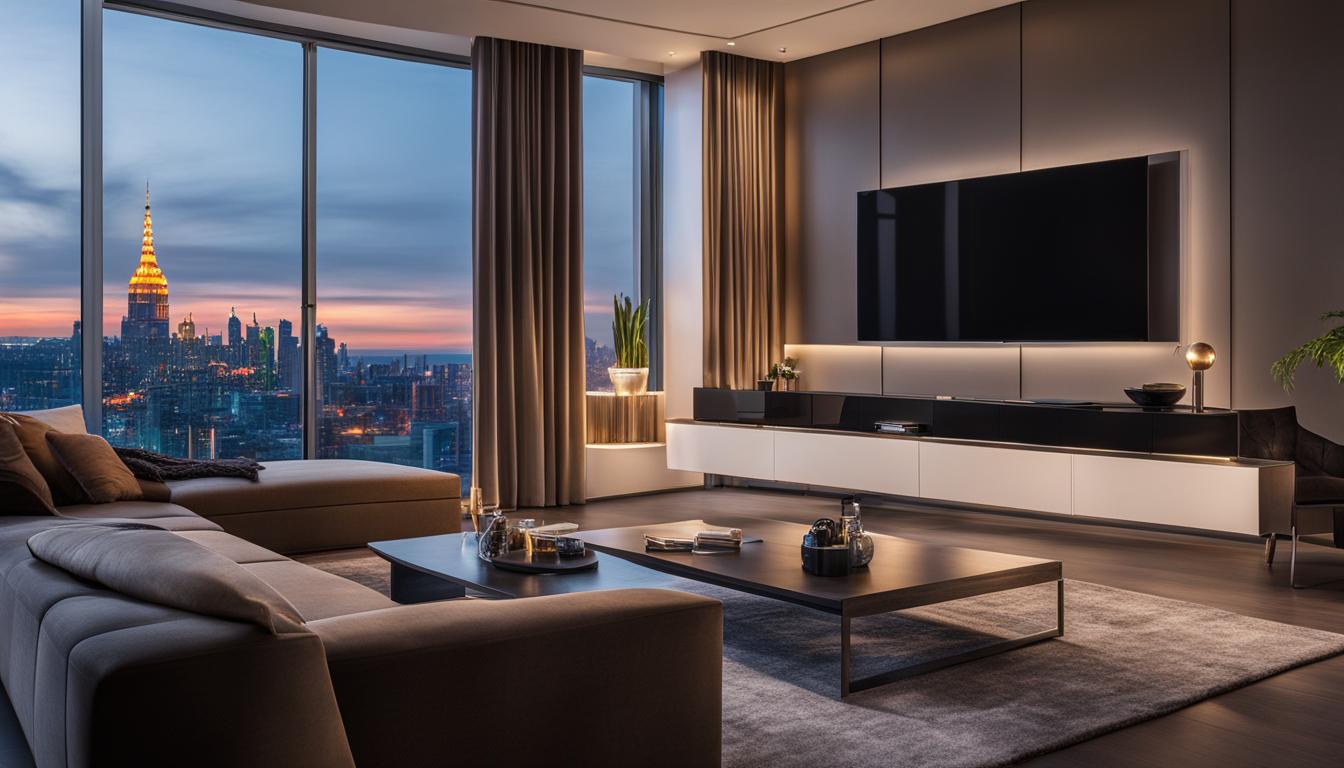
If you’re looking to simplify daily tasks and increase the comfort and convenience of your home, upgrading to a home automation system from Schneider Electric could be the perfect solution.
Schneider Electric is a leading provider of smart home technology, offering innovative solutions that can transform the way you live. With their home automation systems, you can easily manage and control everything from your lighting and heating to your home security and entertainment systems, all from a single, easy-to-use interface.
By integrating with connected devices and other smart home technologies, Schneider Electric’s home automation systems can help you achieve a more personalized and efficient home environment, while also reducing energy usage and costs.
Key Takeaways:
- Schneider Electric offers cutting-edge home automation systems that can greatly enhance your daily life.
- Their solutions can integrate with other smart home technologies and devices, providing a seamless and personalized home management experience.
- With Schneider Electric’s home automation systems, you can improve energy management, enhance home security, and simplify routine tasks.
- Their smart home technology can also enable personalized home management, allowing you to easily control and manage all aspects of your home.
- Installation and setup of Schneider Electric’s home automation systems are straightforward and easy, ensuring a smooth and successful integration into your home.
What are Home Automation Systems?
Home automation systems are technological solutions designed to simplify and enhance various aspects of home management, providing homeowners with greater control and convenience. At Schneider Electric, we offer a range of home automation systems that integrate with connected devices and enable personalized management of various home functions, from lighting and temperature control to security and energy management.
Our home automation solutions utilize advanced technologies such as sensors, cameras, and AI software to learn and adapt to homeowners’ preferences, maximizing comfort and minimizing energy waste. With our systems, homeowners can easily monitor and control their homes remotely via smartphones or tablets, adjust settings for individual rooms, and receive alerts and notifications for any unusual activity.
To sum it up:
Simply put, home automation systems offer a comprehensive, customizable solution for modern home management, enabling homeowners to streamline various functions and create a more comfortable, secure, and energy-efficient living environment. By choosing Schneider Electric’s home automation systems, homeowners can enjoy the benefits of advanced technology in the palm of their hands, enhancing their lifestyles while contributing to a more sustainable future.
The Advantages of Schneider Electric Home Automation Systems
At Schneider Electric, we understand the importance of creating a connected home environment that enhances your lifestyle and provides greater comfort and convenience. Our home automation systems are designed to do just that, offering a range of benefits that make everyday life easier and more enjoyable.
One of the key advantages of our home automation systems is improved energy management. With Schneider Electric solutions, homeowners can easily monitor and control their energy usage, leading to significant cost savings and a smaller carbon footprint. Our smart home technology also enables personalized home management, allowing you to adjust your home’s energy usage to suit your preferences and schedule.
In addition to energy management, our home automation systems offer enhanced home security features. By integrating with other smart home technologies, such as smart locks and security cameras, our solutions provide comprehensive security and peace of mind. Plus, our lighting controls and scheduling features create the impression of a lived-in home, deterring potential intruders.
When it comes to smart home technology, Schneider Electric leads the way with innovative features and capabilities. Our solutions enable you to control a variety of devices and appliances from a single hub, streamlining your daily routines and enabling greater convenience. Plus, our voice control options and mobile app allow for easy and intuitive control, no matter where you are.
If you’re looking for a more sustainable and energy-efficient home, look no further than Schneider Electric’s home automation systems. Our energy management solutions optimize your home’s energy usage, while our integration with solar and battery storage solutions enables you to rely less on the grid and more on renewable energy sources.
To explore the full range of home automation products and control options available from Schneider Electric, visit our website or contact us to speak with a representative. We’re committed to creating smarter homes for better living, and we look forward to helping you achieve the perfect connected home environment.
Smart Home Technology for Better Living
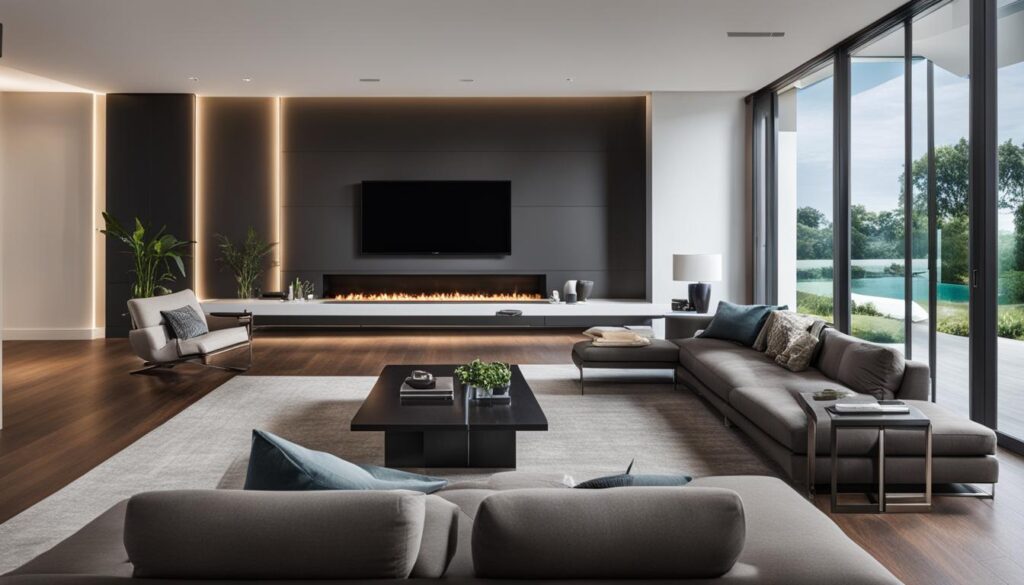
At Schneider Electric, we believe that technology should simplify our lives, not complicate them. That’s why we’ve developed a range of smart home solutions designed to make living easier, more enjoyable, and more efficient. Our smart home technology is intuitive, easy-to-use, and adaptable to meet the unique needs of each homeowner.
With Schneider Electric’s smart home technology, you can take control of your home like never before. Whether you’re looking to manage your energy usage, enhance your security, or simply enjoy greater convenience and comfort, we have a solution that’s right for you.
Smart Thermostats
Our smart thermostats are designed to help you save energy and money without sacrificing comfort. With built-in sensors and intuitive controls, they learn your habits and preferences, automatically adjusting the temperature to your liking. Plus, with remote access via your smartphone or tablet, you can adjust the temperature from anywhere, anytime.
Lighting Controls
Our lighting controls allow you to create custom lighting schemes that fit your lifestyle and mood. From dimming the lights for movie night to setting the perfect ambiance for a dinner party, our smart lighting solutions give you complete control over your home’s lighting.
Home Automation Hubs
Our home automation hubs provide a central point of control for all of your connected devices. With support for a variety of protocols and devices, they allow you to easily manage everything from your thermostat to your security system all from one convenient location.
“Our smart home technology is intuitive, easy-to-use, and adaptable to meet the unique needs of each homeowner.”
At Schneider Electric, we’re passionate about creating smarter homes for better living. We believe that our smart home technology can make a real difference in your life, helping you to save time, energy, and money while enhancing your comfort and security. So why wait? Start exploring the possibilities of a connected home today with Schneider Electric.
Energy Management Solutions
At Schneider Electric, we understand that managing energy usage is a critical part of smart home management. That’s why our home automation systems are designed to optimize energy consumption and reduce utility costs.
With Schneider Electric’s energy management solutions, you can easily monitor and control your home’s energy usage from anywhere, at any time. Our systems provide real-time data on your energy consumption, allowing you to make smarter choices and adopt more sustainable habits.
| Benefits of Schneider Electric Energy Management Solutions | Features |
|---|---|
| Reduce energy costs | Real-time energy monitoring |
| Promote sustainability | Customizable energy-saving settings |
| Improve home efficiency | Integration with other smart home technologies |
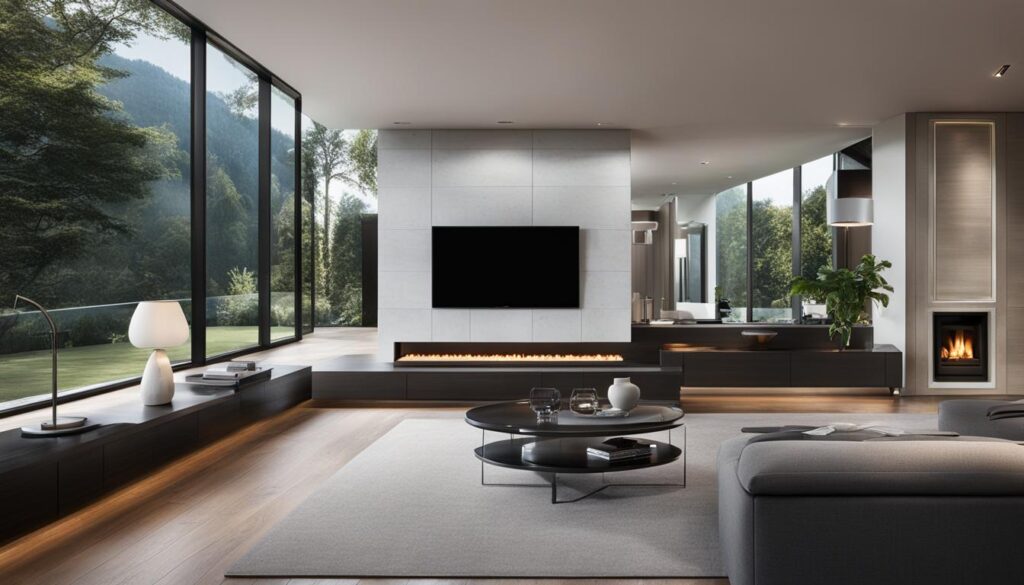
Our energy management solutions are fully integrated with our smart home technology, enabling you to effortlessly manage all aspects of your home’s energy usage through a single, intuitive interface. With Schneider Electric, you can minimize your carbon footprint and maximize your energy savings, all while enjoying the comfort and convenience of a fully automated home.
Home Security and Automation Integration
At Schneider Electric, we believe that home security is a top priority for every homeowner. That’s why we’ve designed our home automation systems to seamlessly integrate with our advanced home security solutions, providing comprehensive protection for you and your family.
Our systems include a range of security features such as motion sensors, door and window sensors, and surveillance cameras, all of which can be monitored and controlled through our easy-to-use mobile app. With our home automation integration, you can arm and disarm your security system, view live video footage, and receive real-time alerts all from the palm of your hand.
| Home Security and Automation Integration | Benefits |
|---|---|
| Advanced Security Features | Our systems are equipped with high-tech security features that provide unparalleled protection for your home and family. |
| Real-Time Alerts | Receive instant notifications on your smartphone or tablet if any security breach is detected, giving you the peace of mind you need to enjoy your day-to-day activities. |
| Remote Access | Control and monitor your security system from anywhere, at any time, using our user-friendly mobile app. |
With Schneider Electric’s home automation security integration, you can create custom rules and schedules to automate your security system as well, allowing you to focus on other important things without worrying about your home’s security. For example, you can set your system to arm automatically when you leave the house or when you go to bed at night. Our automation solutions enable you to customize your home’s security to your specific needs and preferences, ensuring maximum protection for your loved ones and peace of mind for you.
Home Automation Products and Control
At Schneider Electric, we offer a wide range of home automation products designed to make your life easier and more comfortable. Our products seamlessly integrate with each other, creating a cohesive smart home system that you can control from anywhere, at any time.
With our smart thermostats, you can effortlessly control the temperature of your home, ensuring that it’s always at the perfect level of comfort. Our lighting controls allow you to adjust the brightness and color of your lights, creating a cozy and personalized atmosphere in any room.
Our home automation hubs serve as the central command center of your smart home, allowing you to control all your connected devices with ease. And with our intuitive mobile app, you can manage everything from your smartphone or tablet.
In addition to our own products, we also provide compatibility with other popular smart home devices, including Amazon Alexa and Google Assistant. With Schneider Electric, you can take complete control of your home automation system, creating a personalized and efficient living space.
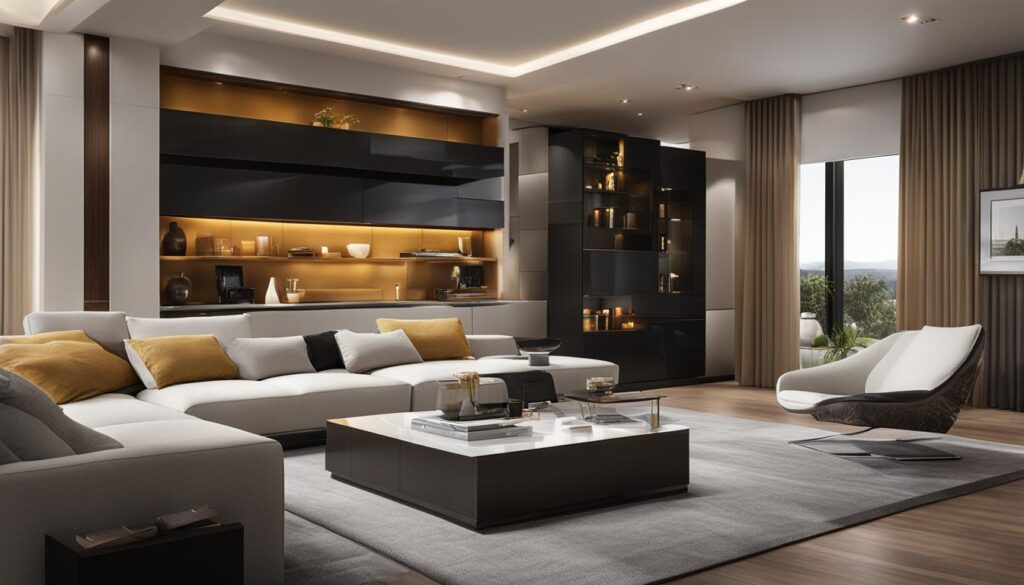
Whether you’re looking to reduce energy consumption, improve home security, or simply enhance your comfort and convenience, Schneider Electric’s home automation products are the perfect solution. With our easy-to-use control systems and wide range of products, we make it simple to create a smarter home that meets your every need.
Installation and Setup of Schneider Electric Home Automation Systems
Setting up your home automation system from Schneider Electric is a simple and straightforward process that ensures you get all the benefits of a smart home without the hassle. Here’s our step-by-step guide to installing and setting up your Schneider Electric home automation system.
Step 1: Choose Your Components
The first step is to choose the right components for your smart home. Schneider Electric offers a range of products, from smart thermostats to lighting controls, and home automation hubs. Determine which products would be most beneficial for your home and purchase them from a trusted retailer.
Step 2: Check Compatibility
Before you begin installation, make sure all of your devices are compatible with one another and with your home’s electrical system. Schneider Electric’s products are designed to work seamlessly together, so this should not be an issue.
Step 3: Install Hardware
Begin by installing any necessary hardware, such as switches or plugs, in your home. Follow the instructions provided with the product to ensure proper installation. If you are installing a home automation hub, place it in a central location in your home.
Step 4: Connect Devices
Next, connect all of your devices to the home automation hub. This is usually done wirelessly via Wi-Fi or Bluetooth connection. Follow the instructions provided with the product to ensure a proper connection.
Step 5: Download the App
Download the Schneider Electric home automation app onto your smartphone or tablet. This app will be the primary way you interact with your smart home, allowing you to control and monitor all connected devices from one convenient location.
Step 6: Configure the App
Configure the app to your liking, setting up schedules, preferences, and automations as necessary. This will enable your smart home to work in the most efficient and effective way possible.
Step 7: Enjoy Your Smart Home
With your Schneider Electric home automation system installed and configured, you can now enjoy all the benefits of a smart home, including improved energy management, enhanced home security, and seamless integration with other smart home technologies. Sit back, relax, and let your smart home do the work for you.
Conclusion
At Schneider Electric, we’re passionate about creating smarter homes for better living. Our home automation systems offer a wide range of benefits, from improved energy management to enhanced home security and personalized home management. With our smart home technology, you can transform your daily routines and enjoy greater comfort and convenience in everyday life.
We believe that everyone should have access to the latest in smart home technology, which is why we offer a range of home automation products and control options that are easy to use and intuitive. Whether you’re looking for smart thermostats, lighting controls, or home automation hubs, we have you covered.
Our team is committed to providing the best possible service and support, guiding you through the installation and setup process to ensure a smooth and successful experience. With Schneider Electric, you can trust that you’re getting quality products and expert assistance every step of the way.
Join the millions of homeowners worldwide who have already discovered the benefits of a Schneider Electric smart home. Explore our range of home automation systems today and start maximizing your lifestyle with the power of technology.
FAQ
What are home automation systems?
Home automation systems are smart technologies that allow homeowners to control and automate various aspects of their homes, such as lighting, heating, security, and entertainment. Schneider Electric offers a range of home automation solutions that integrate seamlessly with connected devices, providing enhanced comfort and convenience.
What are the advantages of Schneider Electric home automation systems?
Schneider Electric’s home automation systems offer numerous benefits. They enable improved energy management, allowing homeowners to optimize energy usage and reduce costs. These systems also enhance home security through integration with security devices and provide seamless control over various smart home technologies. With Schneider Electric, you can create a personalized and efficient smart home environment.
How can smart home technology enhance daily living?
Schneider Electric’s smart home technology enables personalized home management and enhances daily routines. With features like remote control of lighting and appliances, automated schedules, and voice control, homeowners can enjoy convenience, comfort, and efficiency in their daily lives. Smart home technology can transform the way you interact with your home, making it more intuitive and responsive to your needs.
What energy management solutions does Schneider Electric offer?
Schneider Electric provides a range of energy management solutions that help homeowners optimize their energy usage. These solutions include smart thermostats, energy monitoring devices, and integration with renewable energy sources. By monitoring and controlling energy consumption, you can reduce costs, minimize your environmental footprint, and contribute to a more sustainable lifestyle.
How does Schneider Electric integrate home security with home automation systems?
Schneider Electric’s home automation systems seamlessly integrate with home security devices, offering comprehensive security features and peace of mind. You can monitor and control security cameras, door locks, and alarm systems through a single platform, ensuring the safety of your home and loved ones. With Schneider Electric, you can have a fully connected and protected smart home environment.
What are the available home automation products from Schneider Electric?
Schneider Electric offers a wide range of home automation products, including smart thermostats, lighting controls, home automation hubs, and more. These products are designed for ease of use and intuitive control, allowing homeowners to customize and manage their smart homes according to their preferences. With Schneider Electric’s products, you can create a tailored and intelligent home environment.
How do I install and set up Schneider Electric home automation systems?
Installing and setting up Schneider Electric home automation systems is straightforward. Each product comes with clear instructions and user-friendly interfaces for configuration. It’s important to follow the provided guidelines, ensuring proper installation and connection to your home’s electrical and internet systems. If you require assistance, Schneider Electric’s customer support team is available to provide guidance and troubleshooting.
Where can I learn more about Schneider Electric’s smart home solutions?
To learn more about Schneider Electric’s smart home solutions, you can visit our website at www.schneider-electric.com. There, you will find detailed information about our home automation systems, energy management solutions, and other smart home products. Additionally, you can reach out to our customer support team for any specific inquiries or assistance you may need.