Welcome to our article on upcoming automation trends! In this section, we will take a look at the latest automation trends and explore how they can shape the future of businesses across different sectors. With automation technologies advancing at an astonishing rate, it’s essential for businesses to stay up to date with the latest trends and harness their benefits. Let’s dive in!
Key Takeaways:
- Upcoming automation trends have the potential to revolutionize business operations across different industries.
- Keeping up with the latest advancements in automation technology is essential for businesses to stay ahead of the competition.
- Automation technologies can optimize workflows, reduce manual labor, and improve efficiency.
- The automation industry is rapidly growing, with emerging trends and innovations shaping its landscape.
- By embracing automation, businesses can enhance productivity, reduce costs, and provide customers with a better experience.
Embracing Advanced Automation Technology
As technology continues to evolve, businesses must keep up with the latest advancements to stay competitive. Advanced automation technology offers solutions that can streamline processes, improve efficiency, and enhance productivity. At Our Company, we believe in embracing emerging automation technologies to revolutionize business operations.
Automation solutions are rapidly evolving, and we are committed to staying at the forefront of this exciting industry. Whether it’s implementing robotic automation or artificial intelligence in automation software, we are dedicated to providing our clients with cutting-edge automation solutions.
Exploring Emerging Automation Technologies
At the heart of advanced automation technology are emerging automation technologies. These technologies include machine learning, natural language processing, and cognitive computing. By leveraging these technologies, businesses can create more efficient workflows, reduce manual labor, and enhance customer experiences.
One example of an emerging automation technology is robotic process automation (RPA). RPA is a type of software that uses artificial intelligence to automate repetitive tasks. It is an effective solution for streamlining processes, reducing errors, and increasing productivity.
Implementing Automation Solutions
When it comes to implementing automation solutions, there are many factors to consider. At Our Company, we work closely with our clients to identify the best automation solutions for their unique needs. We provide a comprehensive analysis of their business processes and recommend automation solutions that will drive growth and enhance efficiency.
One benefit of implementing automation solutions is the reduction of costs associated with manual labor. Automation can significantly reduce the need for manual labor and increase overall productivity. It also minimizes errors caused by human error, resulting in higher accuracy and more efficient workflows.
The Role of Emerging Automation Technologies in the Future
As emerging automation technologies continue to evolve, we anticipate they will play an increasingly important role in the future of business operations. In fact, experts predict that the market for RPA software will reach $2.9 billion by 2021.
To stay ahead of the competition, it is essential for businesses to embrace advanced automation technology and leverage emerging automation technologies. At Our Company, we are here to help our clients navigate this exciting new frontier and achieve sustainable growth through automation.
The Power of Robotic Process Automation
In today’s fast-paced business environment, companies need to be agile and efficient to stay competitive. That’s where robotic process automation (RPA) comes in. RPA is the use of software robots to automate repetitive and time-consuming tasks, freeing up human workers to focus on higher-level activities. With the integration of artificial intelligence into automation, RPA has become even more powerful, enabling businesses to optimize workflows and reduce manual labor.
The Benefits of RPA
RPA offers a range of benefits that can enhance business operations. By automating repetitive tasks, such as data entry, RPA can reduce errors and increase efficiency. This, in turn, can lead to cost savings and improved customer experiences. Plus, with the ability to scale up or down depending on business needs, RPA provides flexibility and agility.
The Latest Advancements in RPA
Recent advancements in RPA software have made it even more effective. Machine learning and natural language processing have enabled software robots to learn from human input and adapt to new situations. This means that RPA can now handle more complex tasks, such as customer service inquiries, and make decisions based on data analysis.
Another significant advancement in RPA is the integration of artificial intelligence (AI). AI helps to improve automation by providing data insights, predictive analytics, and decision-making capabilities. For example, an AI-powered RPA system can analyze customer data to provide personalized recommendations, improving the overall customer experience.
Automation Software Advancements
Automation software has also evolved in recent years, providing businesses with greater capabilities to automate complex processes. These software advancements have made it easier to create and manage automation workflows, reducing the need for dedicated IT resources. Plus, with intuitive interfaces and drag-and-drop functionality, even non-technical users can create and manage automation workflows.
RPA offers a range of benefits that can enhance business operations. By automating repetitive tasks, such as data entry, RPA can reduce errors and increase efficiency. This, in turn, can lead to cost savings and improved customer experiences.
Conclusion
Robotic process automation is a game-changer for businesses across various industries. With the integration of artificial intelligence and evolving automation software, RPA has become even more powerful and versatile. By leveraging RPA, businesses can optimize workflows, reduce costs, and improve customer experiences, all while freeing up human workers to focus on more strategic activities. At the forefront of automation trends, RPA is sure to play a key role in shaping the future of business operations.
Unveiling the Future of Automation
As the automation industry continues to evolve, businesses must stay up to date with the latest updates and advancements to remain competitive. With upcoming robotic automation and the development of new automation systems, the possibilities for businesses are endless.
To understand the future of automation, we must first examine recent industry updates. In 2020, the automation industry experienced a significant shift as the COVID-19 pandemic accelerated the adoption of automation in businesses worldwide. Many companies turned to automation to maintain operations amid lockdowns and health concerns.
Looking ahead, upcoming robotic automation is set to transform various industries, from manufacturing to healthcare. The use of robots in manufacturing processes is already widespread, and the development of more advanced robotic technologies will only increase efficiency and productivity. In healthcare, robotic automation can improve patient outcomes and reduce costs for hospitals.
The Rise of Automation Systems
Another significant development in the automation industry is the rise of automation systems. These systems combine multiple technologies, including AI, IoT, and machine learning, to create a seamless and interconnected network of automation tools. By using automation systems, businesses can streamline their processes and reduce errors, leading to increased efficiency and cost savings.
One example of an automation system is the use of automated warehouses in the supply chain. These warehouses use AI and machine learning to optimize inventory management and increase the speed of order fulfillment. By automating these processes, businesses can reduce lead times, improve customer experiences, and gain a competitive edge.
The Future of Automation
So, what does the future of automation hold? One trend to watch is the development of autonomous systems that can learn and adapt over time. These systems use AI and machine learning to automate decision-making and improve operations continuously. Another trend is the increased use of automation in the service industry, from chatbots to automate customer service to robotic automation of hospitality and entertainment venues.
As the automation industry continues to grow and evolve, businesses must harness the power of advanced automation technologies to stay competitive and drive innovation. With upcoming robotic automation, automation systems, and other advancements, the future of automation is full of endless opportunities for businesses.
Exploring Emerging Automation Trends
In today’s fast-paced world, technological advancements are transforming industries across the board. Automation is playing a major role in streamlining business operations and driving efficiency. Let’s explore the emerging trends in automation and how they are shaping the industry.
Upcoming Trends in Industrial Automation
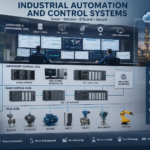
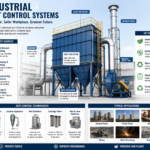
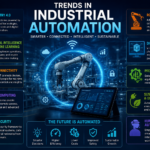
Industrial automation is on the rise and is expected to grow exponentially in the coming years. The integration of artificial intelligence (AI) and machine learning (ML) is paving the way for autonomous industrial systems that can operate without human intervention. The use of robotics in manufacturing is also gaining traction, with robots being used for material handling, assembly, and quality control.
Automation Technologies
New automation technologies are emerging every day, each with the potential to revolutionize different industries. Some of the most promising automation technologies include:
- Robotic Process Automation (RPA)
- Intelligent Automation (IA)
- Artificial Intelligence (AI)
- Machine Learning (ML)
These technologies are transforming the way businesses operate, enabling them to reduce costs, increase efficiency, and deliver better customer experiences.
Benefits of Emerging Automation Trends
The benefits of adopting emerging automation trends are manifold. By leveraging these technology advancements, businesses can:
- Increase productivity and efficiency
- Reduce labor costs and minimize errors
- Improve product quality and consistency
- Enhance customer experiences through faster and more accurate service
A Clear Path to an Automated Future
As automation technologies continue to evolve, the future looks bright for businesses that embrace these advancements. With the potential to save time, cut costs, and improve operations, emerging automation trends are set to transform industries in ways we never thought possible. By keeping up with the latest trends in industrial automation and automation technologies, businesses can stay ahead of the competition and achieve unparalleled growth and success.

Unleashing the Potential of Automation Tools
Automation tools can enhance business operations by providing streamlined processes, increased productivity, and reduced errors through automated workflows. The benefits of automation are numerous, and businesses can leverage them to gain a competitive advantage in their respective industries.
One of the key benefits of automation is increased efficiency. By automating repetitive and time-consuming tasks, businesses can free up their employees to focus on higher-value activities. This can help increase productivity while reducing the risk of burnout in the workforce.
Automated processes also reduce errors and increase accuracy. By eliminating the possibility of human error, businesses can achieve greater reliability and consistency in their operations. This can lead to improved customer experiences and increased customer satisfaction.
The Benefits of Automation Tools
| Benefits of Automation | Examples |
|---|---|
| Increased Efficiency | Automated data entry, inventory management, and order processing |
| Reduced Errors | Automated quality control, error checking, and verification processes |
| Cost Savings | Automated billing and invoicing, reduced labor costs, and decreased operational expenses |
The use of automation tools can also lead to cost savings for businesses. By reducing labor costs and decreasing operational expenses, businesses can achieve greater profitability and reinvest resources into areas that drive growth.
Finally, automation tools can contribute to enhanced customer experiences. By improving the accuracy and reliability of operations, businesses can provide better products and services to their customers, leading to increased customer satisfaction and loyalty.
Overall, the potential of automation tools is vast, and businesses can leverage them to achieve sustainable growth and success. By embracing the power of automation, businesses can optimize their workflows, reduce errors, and enhance customer experiences, leading to increased profitability and a more competitive position in their respective industries.
The Growing Automation Industry
As we move towards an increasingly digitalized world, the automation industry continues to grow at an impressive pace. With the rise of advanced technologies such as artificial intelligence, robotics, and machine learning, businesses across various sectors are adopting automation to streamline processes, increase efficiency, and enhance customer experiences.
The automation industry has undergone significant advancements in recent years, and this trend shows no signs of slowing down. According to a report by ResearchAndMarkets, the global industrial automation market is projected to reach $306.2 billion by 2026, growing at a CAGR of 8.9% from 2021 to 2026.
| Industry | Revenue in 2020 | Projected Revenue in 2025 |
|---|---|---|
| Manufacturing | $141.59 billion | $214.24 billion |
| Healthcare | $35.01 billion | $54.17 billion |
| Retail | $13.05 billion | $23.58 billion |
As the above table showcases, the manufacturing industry remains the largest user of automation technology, accounting for a majority of the revenue generated in 2020. The healthcare and retail industries are also expected to see significant growth in the coming years, with automation technology playing a crucial role in enhancing patient care and improving the customer experience.
With the increasing demand for automation solutions, companies are investing heavily in research and development to stay ahead of the competition. From automated warehouses to self-driving cars, the possibilities for automation are endless.
Overall, the automation industry presents exciting opportunities for businesses looking to drive innovation and achieve sustainable growth. As we continue to embrace automation advancements, we can expect to see significant changes in various industries, making it an exciting time to be part of the automation industry.

Harnessing Advanced Automation Technologies
As the world of business continues to evolve, automation advancements have become a necessity for staying competitive. At our company, we understand the importance of embracing automation in business and harnessing advanced automation technologies to drive success.
The benefits of automation are numerous and can have a significant impact on businesses of all sizes. By automating tasks and processes, we can improve efficiency, reduce costs, and enhance the overall customer experience.
One area where automation has proven particularly useful is in supply chain management. With advanced automation technologies, we can optimize supply chain processes and improve inventory management, ensuring that our products are always available when and where our customers need them.
| Automation Benefits in Supply Chain Management |
|---|
| Streamlined processes and increased efficiency |
| Improved inventory management and reduced stockouts |
| Better forecasting and planning capabilities |
| Enhanced visibility and control over supply chain operations |
In addition to supply chain management, automation advancements can also benefit other areas of business, such as customer service and marketing. By automating customer service processes, we can provide faster, more efficient support to our customers, while automated marketing campaigns can help us reach a wider audience with personalized messaging.
Ultimately, the key to harnessing the power of advanced automation technologies is to remain flexible and adaptable. As technology continues to evolve, we must be willing to embrace new automation solutions and explore ways to integrate them into our existing workflows.
At our company, we are committed to staying at the forefront of automation in business and leveraging the latest advancements to drive growth and success. Join us in embracing the power of automation and reaping the benefits of this transformative technology.
Conclusion
As we have explored in this article, upcoming automation trends hold tremendous potential for transforming various industries and revolutionizing business operations. By embracing advanced automation technology, businesses can streamline processes, improve efficiency, and enhance customer experiences. Robotic process automation, combined with artificial intelligence, is paving the way for optimized workflows and reduced manual labor.
The automation industry is rapidly growing, and its impact on businesses worldwide cannot be ignored. With emerging automation trends, industries across the board are benefitting from the latest technologies driving these advancements. Harnessing the power of automation tools offers a wide range of benefits, including cost savings and increased productivity through automated processes.
At the heart of it all, we must embrace the future of automation and the immense potential it holds. By leveraging these advancements, we can drive innovation and achieve sustainable growth. The possibilities are endless, and we can’t wait to see what lies ahead in the world of automation.
FAQ
What are upcoming automation trends?
Upcoming automation trends refer to the latest advancements and developments in automation technology that are expected to shape the future. These trends include emerging automation technologies, robotic process automation (RPA), and the integration of artificial intelligence into automation systems.
How can businesses embrace advanced automation technology?
Businesses can embrace advanced automation technology by staying updated with the latest advancements and exploring automation solutions that can streamline processes and improve efficiency. By leveraging emerging automation technologies, businesses can optimize workflows and enhance productivity.
What is robotic process automation (RPA)?
Robotic process automation (RPA) is a technology that combines artificial intelligence with automation to automate repetitive tasks and streamline workflows. RPA software advancements enable businesses to reduce manual labor, improve accuracy, and optimize processes.
What can we expect in the future of automation?
The future of automation holds exciting possibilities, including upcoming trends in robotic automation and advancements in automation systems. As technology evolves, we can expect increased efficiency, improved productivity, and innovative solutions to drive the automation industry forward.
What are the emerging automation trends?
Emerging automation trends encompass a wide range of advancements in the automation industry. These trends include upcoming trends in industrial automation, the adoption of automation technologies across various sectors, and the integration of automation tools into business operations.
What are the benefits of automation tools?
Automation tools offer numerous benefits for businesses, including streamlined processes, increased productivity, and reduced errors through automated workflows. By leveraging automation tools, businesses can enhance operational efficiency and achieve cost savings.
How is the automation industry growing?
The automation industry is experiencing significant growth, driven by advancements in technology and increasing adoption across various sectors. This growth is revolutionizing businesses worldwide, from manufacturing to healthcare, with automation playing a crucial role in driving innovation and efficiency.
How can businesses harness advanced automation technologies?
Businesses can harness advanced automation technologies by embracing the benefits they offer. These technologies enable businesses to improve efficiency, reduce costs, and enhance customer experiences. By leveraging automation, businesses can drive success and stay competitive in a rapidly evolving landscape.
What is the importance of upcoming automation trends?
Upcoming automation trends are crucial for businesses as they provide insights into the future of automation. By staying informed about these trends, businesses can proactively adapt and leverage new technologies to drive innovation and achieve sustainable growth.