Welcome to our comprehensive guide on solar power by country. In this guide, we will explore the global landscape of solar energy production and generation, focusing on the various trends and insights in the realm of renewable energy across different nations.
Solar power has emerged as one of the most promising renewable energy sources in recent years. With the world’s energy demands constantly increasing, it has become imperative to explore alternative energy sources that are sustainable and eco-friendly. Solar energy is a key component of this transition, offering an abundance of benefits for both the environment and the economy.
In this guide, we will examine the solar power industry by country, highlighting key statistics, market trends, and the capacity of solar power generation in different nations. We will also discuss the impact of government initiatives and incentives on the growth of the solar power industry. Additionally, we will explore the latest innovations and technologies in the field of solar power, and examine the impacts of solar power on various aspects within countries.
Key Takeaways:
- Solar power has emerged as one of the most promising renewable energy sources globally.
- In this guide, we will examine the global landscape of solar energy production and generation.
- We will highlight key statistics, market trends, and the capacity of solar power generation in different nations.
- The impact of government initiatives and incentives on the growth of the solar power industry will also be discussed.
- Moreover, we will explore the latest innovations and technologies in the field of solar power, and examine the impacts of solar power on various aspects within countries.
The Rise of Solar Power: A Global Perspective
In recent years, solar power has emerged as one of the fastest-growing industries in the world. As a source of clean and renewable energy, solar power has become increasingly popular, with more and more nations investing in its development. In this section, we will provide an overview of the global solar power industry, highlighting the top countries leading the way in solar energy adoption.
Top Solar Power Countries
According to recent statistics, China is currently the world’s largest producer of solar power, with a capacity of over 205 GW. The United States follows closely behind, with a capacity of 77.7 GW. Other leading nations in solar power production include Japan, Germany, and India.
As the solar power industry continues to grow, countries across the globe are investing in their renewable energy infrastructure. In 2020, despite the COVID-19 pandemic, the global solar power industry added a record-breaking 127 GW of solar capacity, increasing the total capacity to 773 GW worldwide.
Solar Power Statistics and Market
The solar power market is projected to continue its growth trajectory in the coming years. According to a report by the International Energy Agency, solar power is expected to be the main source of new energy capacity through 2025. By 2030, solar power could provide up to 30% of the world’s electricity needs.
As the market for solar power continues to expand, the cost of solar energy production is decreasing. In many countries, solar power is already cost-competitive with traditional sources of energy, such as coal and natural gas.
Solar Power Capacity and Renewable Energy by Nation
As mentioned previously, China currently has the highest solar power capacity in the world. However, some smaller countries have a higher percentage of their energy generated from solar power. For example, in 2020, Australia generated 17.7% of its electricity from solar power, making it the highest percentage of any country.
The adoption of solar power is not limited to developed nations. In fact, some developing countries, such as Kenya and Bangladesh, are making significant strides in expanding their solar power capacity. This demonstrates the potential for solar power to be a viable source of energy for countries of all economic levels.
Overall, the rise of solar power is a positive development for the global renewable energy landscape. As countries continue to invest in solar energy development, the market and capacity for solar power will continue to grow.
Solar Power in the United States: A Closer Look
When it comes to solar power by country, the United States is one of the leading nations in the world. According to solar power statistics, the US is the third-largest solar power producing country in the world, with a solar power capacity of 97.2 GW as of 2021. The country’s solar energy production and generation have been rapidly increasing over the last decade, with solar power generation rates potentially reaching 13.7% by 2030, according to the National Renewable Energy Laboratory (NREL).
Renewable energy by nation has been a crucial focus for the US government, with several policies and incentives in place to promote solar power adoption. For instance, the federal investment tax credit (ITC) provides a 26% tax credit for residential and commercial solar installations, making solar energy more affordable for consumers. Additionally, net metering policies in many states allow solar panel owners to sell excess solar energy back to the grid, further incentivizing solar power generation.
| State | Solar Power Capacity (MW) |
|---|---|
| California | 35,972 |
| Texas | 7,071 |
| Florida | 5,747 |
| New York | 5,497 |
| North Carolina | 4,308 |
| Arizona | 4,239 |
The US solar power market is also driven by various industry players, with several top solar power companies operating in the country. These companies include Tesla, Sunrun, and Vivint Solar, among others.
“Solar power has the potential to play a significant role in the transition to a cleaner and more sustainable energy system in the US and beyond.”
Going forward, solar power statistics and trends suggest that solar energy will continue to grow in the United States, with increasing capacity, technological advancements, and declining costs. With the benefits of solar power adoption, such as reduced emissions, increased energy independence, and economic growth, it’s no surprise that renewable energy by country remains a crucial focus for the US and the rest of the world.
Leading Nations in Solar Power Generation
When it comes to the top solar power producing countries, it should come as no surprise that China leads the pack. According to recent solar power statistics, China has a total solar power generation capacity of 253 GW, with an additional 48 GW of capacity under construction. This puts China at the forefront of the solar industry by country, having invested heavily in the sector over the past decade.
Following China is the United States, with a total solar power capacity of 97.2 GW. However, the U.S. is expected to be outpaced by India in the near future, with India’s solar power generation rates increasing rapidly due to government initiatives and incentives. India currently has a total solar power capacity of 40 GW, with an additional 36 GW under construction.
Other leading nations in solar power generation include Japan, Germany, and Australia. Japan has a total solar power capacity of 63 GW, while Germany has a capacity of 49 GW. Australia, with its abundance of sunshine, has a solar power capacity of 16 GW and is expected to double that capacity by 2025, according to solar power trends by nation.
We can see that China, India, and the United States are leading the way in solar power generation, with other nations such as Japan, Germany, and Australia also making significant contributions. As these countries continue to invest and innovate in the solar industry, we can expect to see even greater advancements and progress in harnessing the power of the sun.
Solar Power Adoption Worldwide: A Comparative Analysis
As solar power becomes increasingly popular and more countries strive to transition to renewable energy, it’s worth taking a closer look at the global landscape of solar power adoption. Let’s explore some key statistics, trends, and insights into solar power by country.
Top Solar Power Countries
There are several countries leading the way in solar power adoption, including China, the United States, and India. According to the International Energy Agency, China has the largest installed solar power capacity in the world, followed by the United States and Japan. However, it’s important to note that smaller countries such as Germany and Australia have made significant progress in solar power generation per capita.
Solar Power Statistics
The solar power market is rapidly expanding, with an estimated 116.9 GW of new solar capacity installed globally in 2019 alone. This brings the total global solar capacity to over 600 GW. In addition, the price of solar electricity continues to drop, making it an increasingly feasible and cost-effective option for many countries.
Solar Power Capacity
As mentioned earlier, China currently has the largest solar power capacity in the world, with over 205 GW of installed capacity. The United States and Japan follow with 79 GW and 63 GW, respectively. However, relative to their population sizes, smaller countries such as Germany, Australia, and the Netherlands have high solar power generation capacities.

Solar Power Adoption Worldwide
While some countries have made significant progress in solar power adoption, others are lagging behind. According to a report by the World Economic Forum, developing countries face several challenges in transitioning to solar power, including lack of infrastructure, limited financing, and poor regulatory frameworks. However, the potential benefits of solar power adoption, such as improved access to electricity and reduced greenhouse gas emissions, make it a viable solution for many countries.
Conclusion
As the global shift towards renewable energy continues, solar power adoption is poised to play a key role in the transition to a sustainable future. While there are challenges and disparities in solar power adoption across different countries, the potential for continued progress and growth is promising. By working together and utilizing innovative technologies and policies, we can accelerate the uptake of solar power and create a brighter future for generations to come.
Solar Power and Renewable Energy Policies
In our exploration of solar power by country, it’s crucial to consider the policies and regulations that impact the growth and development of the solar power industry. Renewable energy policies vary greatly across different countries, and can significantly influence the adoption and utilization of solar energy.
To evaluate the regulatory landscape of renewable energy by country, let’s take a closer look at the solar power industry in the United States. As of 2021, solar power accounts for 3% of the country’s electricity generation, with a solar capacity of 97.267 GW.
One of the key policies supporting solar power adoption in the US is the Investment Tax Credit (ITC). This federal policy provides a tax credit of up to 26% of the cost of solar system installation, significantly reducing the overall cost of solar energy for homeowners and businesses.
Renewable portfolio standards (RPS) are also in place in many US states, mandating that a certain percentage of electricity consumed must come from renewable sources such as solar power. This policy incentivizes utilities to invest in solar energy in order to meet RPS standards.
Other countries have implemented similar policies to encourage the growth of their solar power industry. For instance, Germany’s Feed-in Tariff system provides incentives for homeowners and businesses to install solar panels and sell excess energy back to the grid.
The regulatory framework surrounding the solar power industry is constantly evolving and varies greatly across different nations. However, policies and incentives that promote the adoption of renewable energy will continue to play a crucial role in the growth of the solar power industry worldwide.
Future Prospects for Solar Power by Country
As solar power continues to gain momentum around the world, the future prospects for this renewable energy source look promising. With the increasing need for sustainable energy options, governments and industries alike are investing in solar power generation to meet this growing demand.
According to recent data, the global solar power market is projected to reach $223.3 billion by 2026, with a compound annual growth rate of 20.5%. This growth is fueled by factors such as decreasing costs of solar power equipment, supportive government policies, and increasing awareness about the benefits of renewable energy.
On a country level, many nations are taking significant strides in the adoption of solar power. For example, China, the United States, and India rank among the top countries in terms of solar power capacity. These nations are expected to continue expanding their solar power infrastructure in the coming years, with goals to generate a greater percentage of their electricity from renewable sources.
China’s Solar Power Expansion
China is a clear leader when it comes to solar power adoption, with the country accounting for more than half of the world’s solar installations in recent years. In 2020 alone, China added 48.2 GW of solar power capacity, bringing its total installed capacity to 253 GW.
China’s government has set a goal to produce 20% of the country’s energy from renewable sources by 2025, with solar power playing a significant role in achieving this target. The country is also investing in energy storage technologies to make solar power more reliable and efficient.
With its large population and industrial base, China’s continued commitment to solar power is expected to have a significant impact on the global renewable energy landscape.
The United States’ Solar Energy Goals
The United States is also making significant strides in the adoption of solar power. In 2020, the country added 19.2 GW of solar power capacity, bringing its total installed capacity to 97.2 GW.
The United States’ government has set a goal to achieve 100% clean energy by 2035, with solar power playing a critical role in this transition. The country is investing in solar power infrastructure, including large-scale solar farms and community solar programs, to increase access to clean energy for all citizens.
With supportive policies and increasing public demand for sustainable energy options, the United States is poised to continue expanding its solar power capacity in the years ahead.
India’s Solar Power Growth
India is another nation that is rapidly expanding its solar power infrastructure. In 2020, the country added 4.2 GW of solar power capacity, bringing its total installed capacity to 38.8 GW.
India’s government has set an ambitious target to achieve 175 GW of renewable energy capacity by 2022, with solar power playing a critical role in this effort. The country is investing in both large-scale solar projects and rooftop solar installations to increase access to clean energy for its citizens.
As India continues to invest in solar power and other renewable energy sources, the country is expected to play an increasingly important role in the global transition to a sustainable energy future.
Overall, the future prospects for solar power by country look bright, with many nations committing to increased adoption of this renewable energy source. As technology continues to advance and costs decrease, it is likely that solar power will continue to play a significant role in meeting the world’s growing energy needs.

Overcoming Challenges in Solar Power Adoption
The adoption of solar power has been on the rise worldwide, with countries recognizing the potential of renewable energy to drive economic growth and mitigate climate change. However, the transition to solar power is not without its challenges.
One of the main obstacles that countries face is the high upfront costs of solar power installation. While the long-term benefits of solar energy are significant, the initial investment required can be prohibitive for some countries. This can be particularly challenging for developing nations where funding is limited.
Another challenge is the variability of solar power generation. Solar panels produce energy based on the amount of sunlight they receive, which fluctuates depending on the time of day, weather conditions, and location. This makes it difficult to predict the amount of energy that can be generated and can pose challenges for grid operators trying to balance supply and demand.
The lack of supportive policies and regulations in some countries is also a hindrance to solar power adoption. In some cases, policies may not be conducive to renewable energy development, or there may be a lack of clarity around regulations. This can create uncertainty for investors and developers, reducing the incentive to invest in solar power projects.
Addressing the Challenges
To overcome these challenges, countries must take a strategic approach to solar power adoption. Governments can provide financial incentives, such as tax credits and subsidies, to reduce the upfront costs of solar installation. Additionally, countries can invest in research and development to improve solar technology and reduce costs.
The variability of solar power generation can be mitigated by implementing energy storage solutions, such as batteries, that can store excess energy generated during peak sunlight hours for use during periods of low generation. This can help balance the supply and demand of energy on the grid.
Supportive policies and regulations can also be critical to the success of solar power adoption. This includes implementing feed-in tariffs, net metering, and other policies that incentivize and reward solar energy production. Moreover, governments can improve clarity around regulations and provide long-term commitments to renewable energy development, thereby creating a stable and predictable regulatory environment.
Conclusion
While the challenges to solar power adoption are significant, they can certainly be overcome with the right policies and strategies in place. By addressing these challenges head-on, countries can accelerate the transition to renewable energy and realize the economic and environmental benefits of widespread solar power adoption.
Innovations and Technologies in Solar Power
Advancements in solar power technology have significantly improved the efficiency and affordability of solar energy production in recent years. In this section, we will highlight some of the latest innovations and technologies that are driving the solar power industry forward.
Solar Panel Improvements
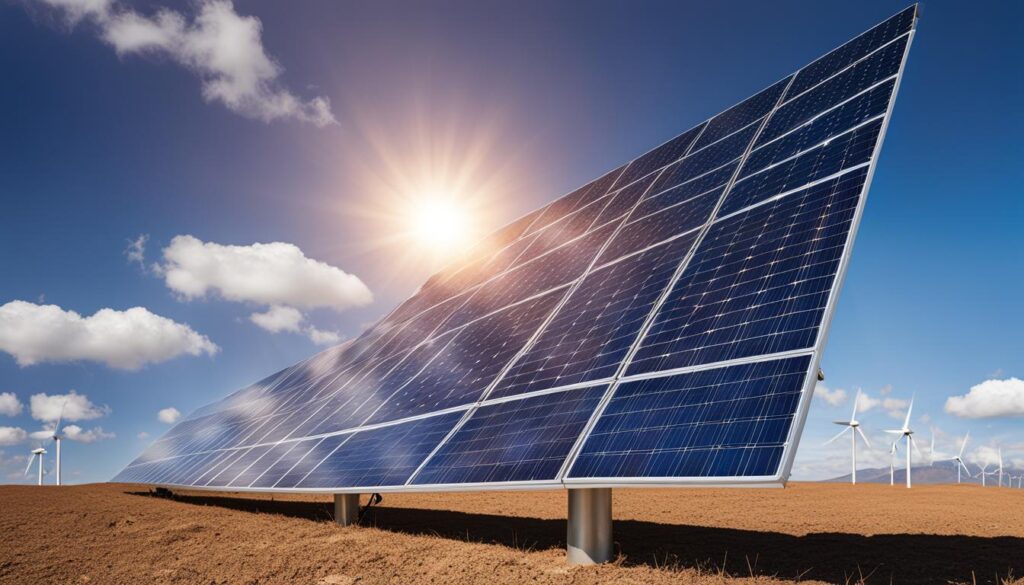
Solar panel manufacturers are constantly seeking ways to improve the efficiency and output of their products. One of the most promising developments in recent years is the use of perovskite materials in solar cells, which has the potential to significantly increase the power conversion efficiency of solar panels. Additionally, thin film solar panels are an emerging technology that could make solar power more accessible and affordable for homeowners and businesses.
Solar Energy Storage
One of the biggest challenges facing the solar power industry is the intermittent nature of solar energy production. In order to overcome this challenge, developers are working on improving battery technology for storing solar energy. Lithium-ion batteries are currently the most widely used technology for solar energy storage, but new developments such as flow batteries and solid-state batteries show great promise for the future.
Smart Grid Technology
As solar power becomes more prevalent, it is important for the electrical grid to be able to incorporate this energy in an efficient and effective manner. Smart grid technology enables better communication and coordination between power generators and users, allowing for the optimal use of renewable energy sources like solar power. Additionally, microgrid technology is gaining popularity in remote areas where solar power can be used as a primary source of energy.
Solar-Powered Transportation
While solar power is primarily used for stationary power generation, there are also exciting innovations happening in the realm of solar-powered transportation. Solar-powered cars, buses, and planes are all being developed, with the goal of creating more sustainable and environmentally-friendly forms of transportation. While these technologies are still in their early stages, they show great promise for the future of transportation.
Overall, these are just a few examples of the many innovations and technologies that are driving the solar power industry forward. As the technology continues to improve and become more affordable, solar power has the potential to play an increasingly important role in meeting our energy needs in a sustainable and environmentally-friendly way.
Impacts of Solar Power by Country
Solar power has become an increasingly popular source of renewable energy across the world. As countries look to reduce their carbon emissions and transition to more sustainable energy sources, solar power has emerged as a key player in the global energy market. In this section, we will examine the impacts of solar power on various aspects within countries, highlighting the benefits of embracing this renewable energy source.
Economic Impacts
One of the most significant impacts of solar power adoption is on a country’s economy. The growth of the solar power industry has created new job opportunities across the globe, from manufacturing and installation to maintenance and support. In addition, solar power can generate new revenue streams for countries, particularly in areas with high solar irradiance. For example, a study by the National Renewable Energy Laboratory found that by 2050, solar energy could provide up to 10% of the United States’ electricity demand, resulting in significant economic benefits for the nation.
Environmental Impacts
The environmental benefits of solar power adoption are clear. By shifting away from fossil fuels, countries can significantly reduce their carbon emissions, helping to combat climate change. In addition, solar power does not produce any harmful pollutants or greenhouse gases during operation, making it a clean and sustainable energy source. The adoption of solar power can also help to reduce water consumption, as solar power generation uses significantly less water than traditional fossil fuel-based power generation.
Social Impacts
The adoption of solar power can have a positive impact on a country’s social fabric. By providing access to renewable energy, communities can become more self-sufficient and less reliant on centralized power sources. This can be particularly beneficial in remote or underserved areas, where access to traditional power sources may be limited. In addition, the adoption of solar power is often seen as a symbol of progress and innovation, helping to enhance a country’s image and reputation on the global stage.
Statistical Impacts
The adoption of solar power has resulted in a number of key statistics that highlight its importance as a renewable energy source. As of 2021, the United States is the second-largest producer of solar power in the world, with a total installed solar capacity of 97.2 GW. China is the world’s largest producer of solar power, with a total installed capacity of 253.4 GW. Other leading countries in solar power production include Japan, Germany, and India.
Overall, the impacts of solar power by country are significant and wide-reaching. From economic benefits to environmental and social impacts, the adoption of solar power is driving progress towards a more sustainable future for all. As more countries continue to embrace this renewable energy source, we can look forward to a brighter, cleaner, and more sustainable energy future.
Conclusion
In conclusion, we have explored solar power by country, providing insights into the global renewable energy landscape. Our guide has highlighted the progress, challenges, and future prospects of solar power adoption worldwide, emphasizing the importance of solar energy in the transition to a sustainable future.
From our analysis, it is clear that solar power generation is on the rise globally, with countries across the world investing in renewable energy sources. In particular, countries such as China, the United States, and India are leading the way in solar power capacity and production.
However, we also noted that challenges exist in the adoption and implementation of solar power. These include regulatory barriers, lack of funding, and issues with grid integration. Despite these challenges, we are optimistic about the future of solar power and its potential to drive positive change.
Looking ahead, we see significant opportunities for further growth and development in solar power adoption worldwide. As technology and innovation continue to advance, and countries embrace favorable policies and initiatives, we believe solar energy will play an increasingly important role in meeting our energy needs sustainably.
Overall, our guide has demonstrated that solar power by country is a complex and multifaceted topic, with many factors contributing to the success and growth of the solar industry. By understanding these factors and continuing to explore advancements and innovations in solar power, we can work towards a more sustainable future for us all.
FAQ
What is solar power?
Solar power is a form of renewable energy that harnesses the sun’s energy to generate electricity or heat. It involves the use of solar panels or solar thermal systems to convert sunlight into usable energy.
How does solar power work?
Solar power works by capturing sunlight through solar panels or collectors. The panels contain photovoltaic cells that convert sunlight directly into electricity. In solar thermal systems, sunlight is used to heat water or fluid, which is then used to generate electricity or provide hot water.
What are the benefits of solar power?
Solar power offers several benefits. It is a clean and renewable source of energy, reducing reliance on fossil fuels and mitigating greenhouse gas emissions. Solar power can also save money on electricity bills, create jobs in the solar industry, and contribute to energy independence.
Is solar power suitable for my home or business?
Solar power can be suitable for most homes and businesses, depending on factors such as location, available sunlight, roof orientation, and shading. It is best to consult with a solar energy professional to assess the feasibility and potential benefits of installing solar panels.
How much does solar power cost?
The cost of solar power varies depending on factors such as system size, installation expenses, and equipment quality. However, solar power costs have significantly decreased in recent years, making it more affordable for homeowners and businesses. In many cases, solar power installations pay for themselves over time through energy savings.
Are there government incentives or rebates available for solar power?
Yes, many countries offer government incentives, rebates, or tax credits to promote the adoption of solar power. These incentives can help reduce the upfront costs of installing solar panels and make solar power more financially attractive. It is advisable to research available incentives in your country or consult with a solar energy provider.
How long do solar panels last?
Solar panels are built to be durable and long-lasting. Most manufacturers offer warranties that guarantee at least 25 years of optimal performance. However, solar panels can continue to generate electricity beyond their warranty period, albeit at a slightly reduced efficiency.
Can solar power work during cloudy days?
Solar power systems can still generate electricity on cloudy days, although their output may be reduced compared to sunny days. Solar panels can still capture diffuse sunlight and convert it into usable energy, albeit at a lower efficiency. The overall productivity of a solar power system will depend on the amount of sunlight received.
Can I sell excess solar power back to the grid?
In many countries, homeowners and businesses with solar power systems can sell excess electricity back to the grid through net metering or feed-in tariff programs. These programs allow owners of solar power systems to receive compensation for the excess electricity they generate, further incentivizing the adoption of solar energy.
How can I maintain my solar power system?
Solar power systems generally require minimal maintenance. It is recommended to keep the solar panels clean and free from debris, inspect the system for any signs of damage or malfunction, and ensure proper electrical connections. Periodic professional inspections can also help identify and address any issues that may arise.
Is solar power a viable solution for combating climate change?
Yes, solar power is considered one of the most effective solutions for combating climate change. By replacing fossil fuel-based electricity generation with clean and renewable solar power, we can significantly reduce greenhouse gas emissions and mitigate the impacts of climate change. Solar power plays a crucial role in transitioning to a more sustainable and low-carbon energy system.