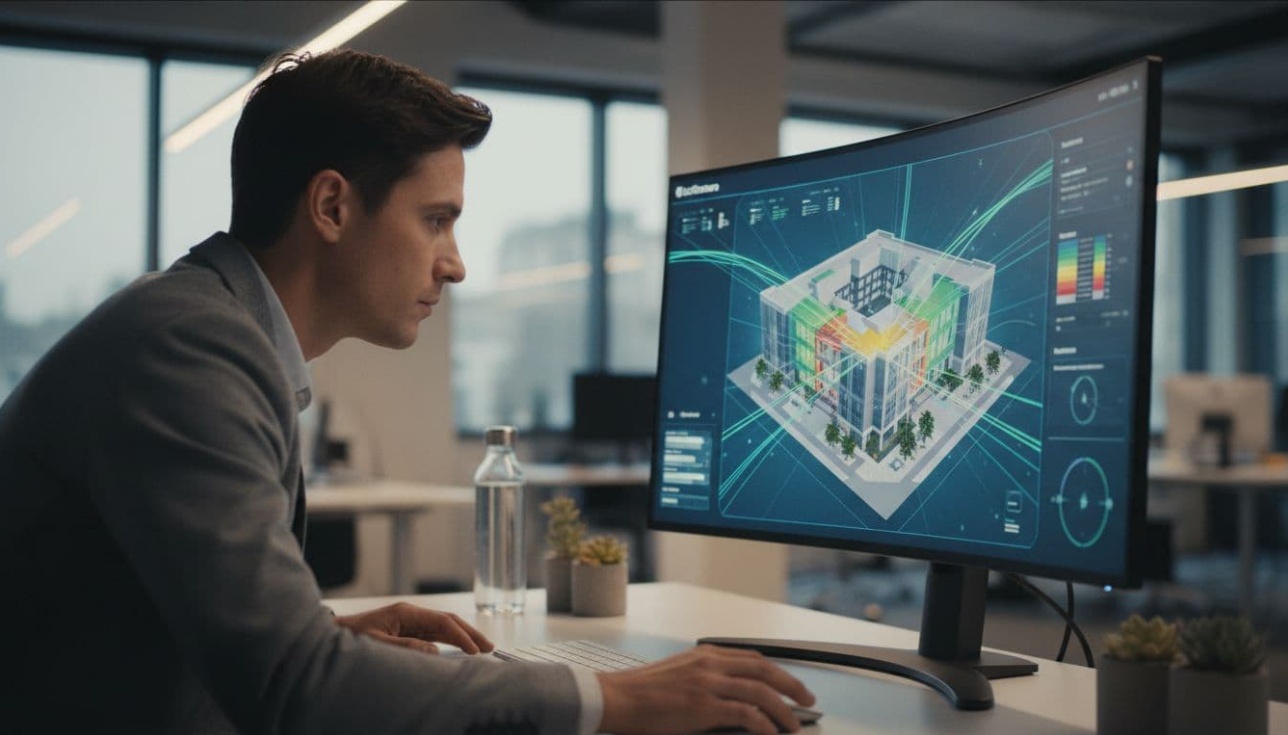
Power bills rarely tell the full story. By the time a monthly statement arrives, wasted energy, hidden faults, and comfort complaints have already done their damage.
That is why Schneider Electric energy management matters right now. It combines hardware, software, and services so teams can see energy use, control it, and improve it across buildings, plants, and data centers. When those pieces talk to each other, decisions get faster and far less reactive.
What Schneider Electric energy management actually does
At its core, Schneider’s approach ties together data, field devices, and daily operations. Meters, sensors, breakers, HVAC controls, and software feed into one system, so you can spot waste before it becomes normal.
That shift is more important in 2026 because power demand is climbing fast. Schneider Electric has pointed to AI as a major driver of new US electricity demand growth this decade, which puts more pressure on efficiency, uptime, and grid capacity.
How it brings energy data into one view
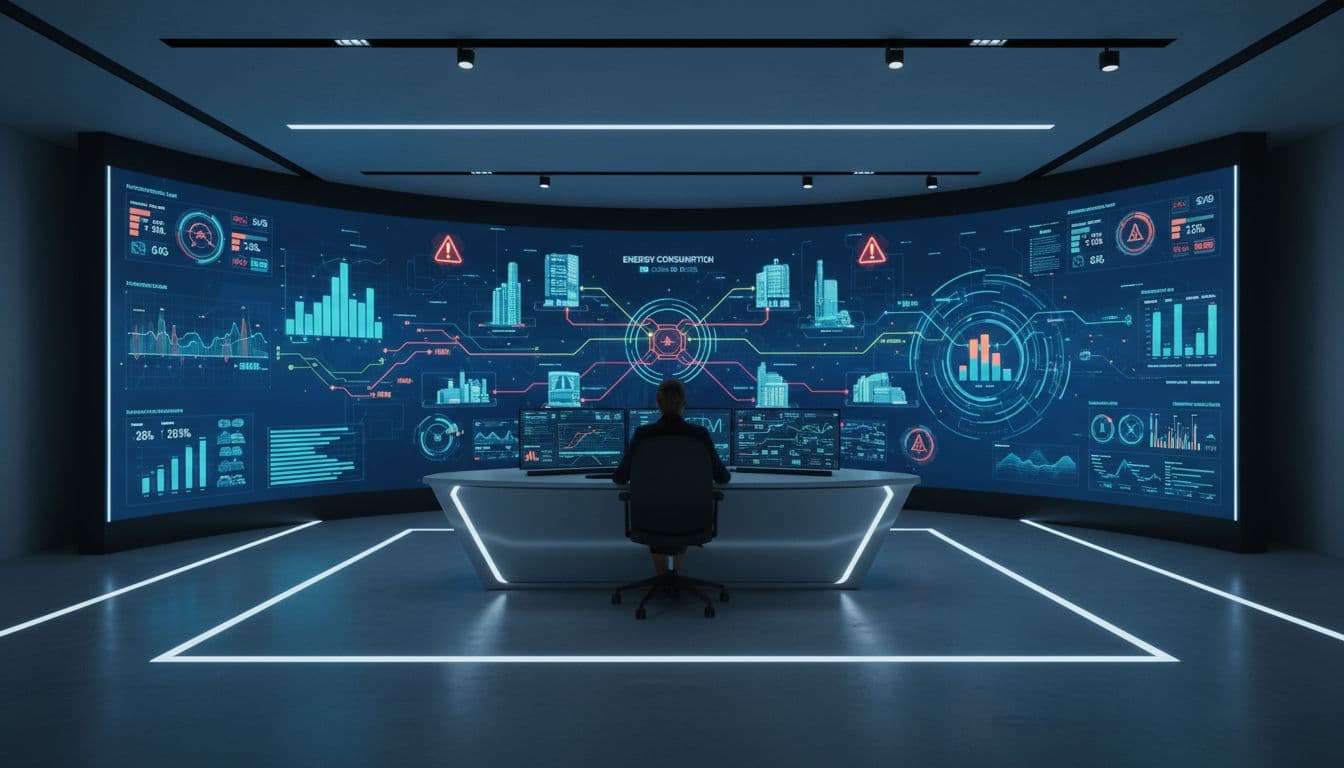
A single view changes the pace of work. Instead of checking one screen for power, another for building controls, and a third for alarms, teams can see patterns in one place. That helps them catch a chiller running after hours, a panel that keeps tripping, or a site that suddenly starts using more power than its peers.
For readers who want a plain-English breakdown of the architecture, this overview of Schneider Electric energy management shows how monitoring, control, analytics, and reporting fit together. On the ground, the value is simple: fewer blind spots and quicker answers.
Where automation helps save time and power
Once data is visible, automation can act on it. HVAC schedules can tighten when a floor is empty. Lighting can respond to occupancy and daylight. Load control can shave peaks before demand charges spike. Alarms can route to the right person instead of getting buried in email.
The same logic helps maintenance. A motor that draws more current than usual may need service before it fails. A cooling unit that drifts out of range can trigger action before comfort drops or equipment overheats. If you want a closer look at panel-level monitoring, this guide to visualizing energy data on PAS800 shows how device and site views can connect.
Key EcoStruxure tools shaping Schneider Electric energy management in 2026
Schneider’s portfolio is broad, so it helps to sort tools by site type and need. In 2026, the direction is clear: more AI-assisted monitoring, more digital-twin work, and more open connections across power and building systems.
This quick comparison shows where each platform fits best.
| Tool | Best fit | Main strengths |
|---|---|---|
| EcoStruxure Foresight Operation | Large, connected buildings | Unified control, grouped alarms, AI diagnostics, digital twins |
| EcoStruxure Building Activate | Small and mid-size sites | Fast deployment, HVAC and lighting control, multi-site monitoring |
| EcoStruxure IT and industrial tools | Data centers and factories | Uptime visibility, carbon tracking, governance across complex operations |
The common thread is less switching between systems and more usable context.
EcoStruxure Foresight Operation for unified control
The biggest 2026 story is EcoStruxure Foresight. Schneider positions it as one AI-powered platform for energy, power, and building systems. The early message is practical: grouped alarms, predictive maintenance, built-in redundancy, and digital-twin simulation that can shorten engineering work and reduce downtime.
Schneider’s US announcement says early adopter availability is planned for Q3 2026, with broader rollout after that. For operators, the appeal is obvious. One platform is easier to manage than a patchwork of separate tools.
EcoStruxure Building Activate for smaller and mid-size sites
Smaller buildings often get ignored because they can’t justify a heavy, custom system. EcoStruxure Building Activate targets that gap. It is cloud-based, subscription-friendly, and built for sites under 100,000 square feet.
That makes it useful for retail, schools, branch offices, and light commercial spaces. It can monitor energy use, automate HVAC and lighting, track indoor air quality, and roll up data across several locations. Schneider also says payback can come in less than two years, which matters when budgets are tight.
EcoStruxure IT and industrial tools for complex operations
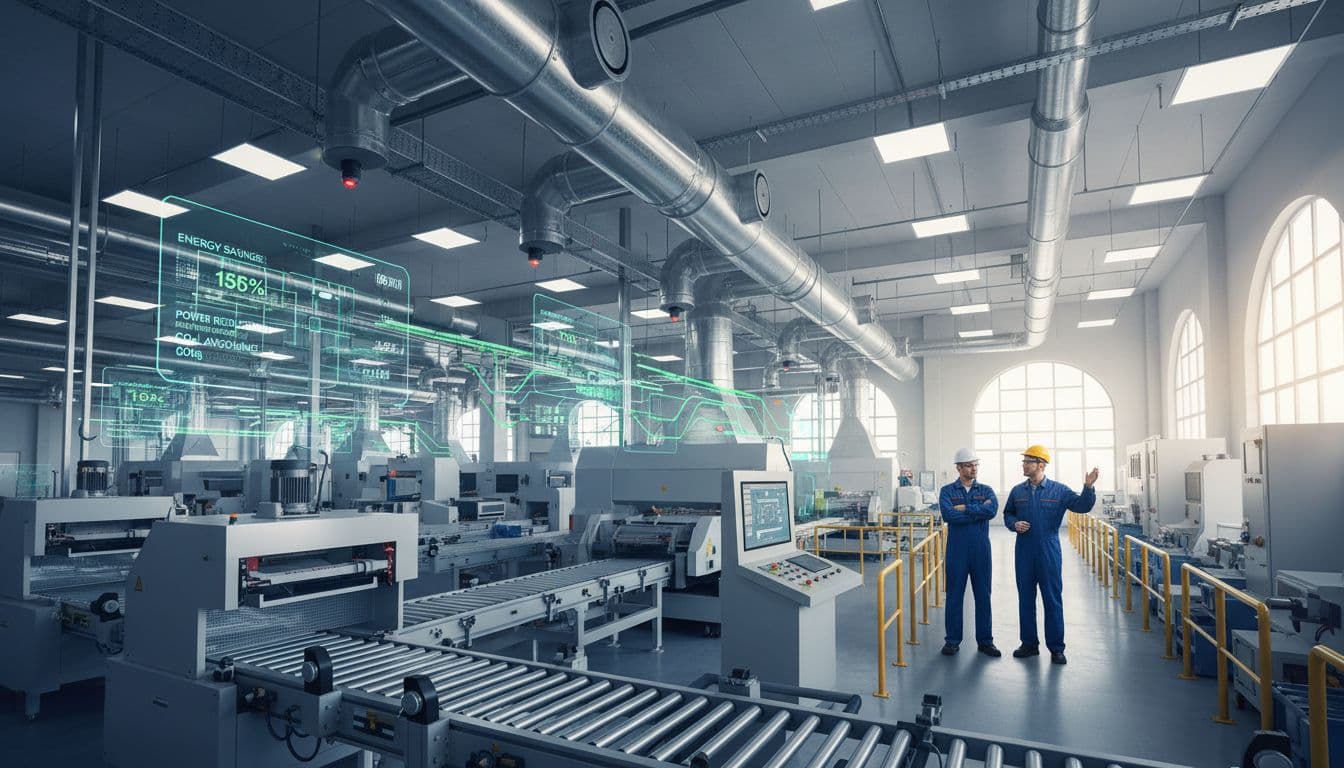
Data centers and factories live by a different clock. They need tighter uptime control, cleaner alarms, and better asset visibility. EcoStruxure IT focuses on those needs with power, cooling, and carbon tracking in one view.
Meanwhile, industrial tools help plants and multi-site operations compare performance, tighten governance, and act on recurring losses. For organizations that need broader reporting across energy, carbon, and supply chains, an AI-supported energy and carbon platform can add another layer of oversight.
The real business benefits behind better energy management
Better energy management pays off in places that don’t show up on a utility bill. Yes, lower consumption matters. Still, the larger gain often comes from fewer surprises and less manual chasing.
How it supports lower costs and faster ROI
Small savings stack up fast. If HVAC starts and stops on time, lights don’t burn all night, and peak demand gets trimmed, operating costs fall month after month. Teams also spend less time hunting through spreadsheets or walking the site to confirm a fault.
The fastest return usually comes from fixing the waste you already have, not from buying more hardware than you need.
How it helps with uptime, safety, and sustainability goals
Good alerts protect uptime. If a breaker, UPS, or cooling asset starts drifting, staff can act sooner and with better context. That lowers the chance of a shutdown and supports safer operation.
At the same time, reporting gets easier. Carbon, energy, and ESG data are easier to trust when they come from connected systems instead of manual exports. Schneider’s larger energy management software for buildings points to the same goal: better performance with fewer disconnected tools.

How to choose the right Schneider Electric energy management setup
The right setup depends on the site, not the label on the box. A mid-size office, a cold-storage plant, and a data center don’t need the same stack.
Questions to ask about your building, plant, or data center
Start with the pain points. Where do you lose the most energy? Which alarms get missed? How much staff time goes to manual reporting? Do you need one-site visibility or a multi-site view?
Then look at growth. A system that fits today but can’t expand will feel cramped fast.
Buy for the operation you run now, but leave room for the one you’ll run in three years.
What to look for in software, integration, and support
Open architecture matters because few sites are built from one vendor alone. Strong reporting matters because finance, operations, and sustainability teams all want different answers from the same data.
Support matters just as much. Good software can still disappoint if setup drags on, alarms are noisy, or service is thin after launch. The best Schneider Electric energy management setup is the one your team can use every day without friction.
Conclusion
Schneider Electric’s energy management approach is bigger than power monitoring. It connects visibility, control, and action so teams can cut waste, protect uptime, and make steadier decisions.
That matters more in 2026 because energy pressure is rising, systems are more connected, and manual work is too slow. The future of energy management looks more open, more AI-assisted, and far more unified than the patchwork most sites still live with today.