Introduction
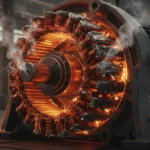
Cable overheating is one of the most common yet hard-to-detect risks in electrical distribution systems. As load density increases in industries, substations, data centers, and EV infrastructure, traditional protection devices alone are no longer sufficient. This case study highlights how a Cable Temperature Monitoring System using PowerLogic™ Thermal Tag TH110 helped improve safety, reliability, and preventive maintenance.
Project Overview
Industry: Power Distribution / Industrial Facility
Application: LT & HT power cables in cable trays and panels
Solution Used: PowerLogic™ Thermal Tag TH110
Objective:
- Continuous monitoring of cable temperature
- Early detection of abnormal heating
- Fire risk prevention
- Integration with digital monitoring systems
The Challenge
The facility faced several operational challenges:
- Increasing electrical load on existing cables
- Localized heating at joints and bends
- No real-time temperature data
- Manual inspections that were time-consuming and unreliable
Although circuit breakers provided overcurrent protection, they could not detect thermal stress caused by poor ventilation, loose connections, or uneven load distribution.
Solution: PowerLogic™ Thermal Tag TH110
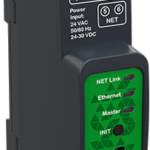
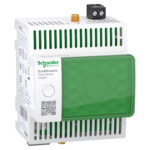
To address these risks, the engineering team implemented a Cable Temperature Monitoring System using PowerLogic™ Thermal Tag TH110 from Schneider Electric.
Why PowerLogic™ Thermal Tag TH110?
- Designed specifically for electrical thermal monitoring
- Compact and easy to deploy in existing installations
- Accurate surface temperature measurement
- Seamless integration with PowerLogic™ and SCADA systems
- Ideal for retrofit and new projects
System Architecture & Working Principle
Key Components
- PowerLogic™ Thermal Tag TH110
- Surface-mounted temperature sensors
- Data acquisition system / gateway
- SCADA or energy management software
How the System Works
- Thermal sensors are attached to critical cable locations
- PowerLogic™ Thermal Tag TH110 captures real-time temperature data
- Data is transmitted to the monitoring system
- Alarms and alerts are generated when temperature thresholds are exceeded
- Historical data supports trend analysis and predictive maintenance
Installation Highlights
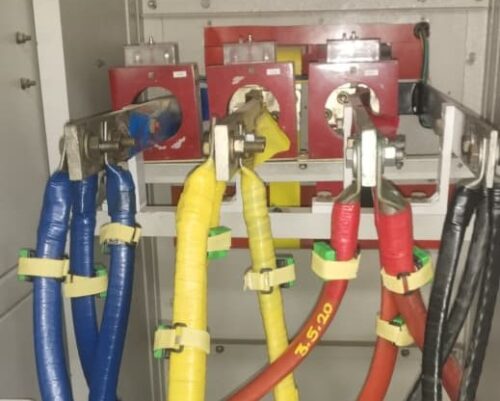
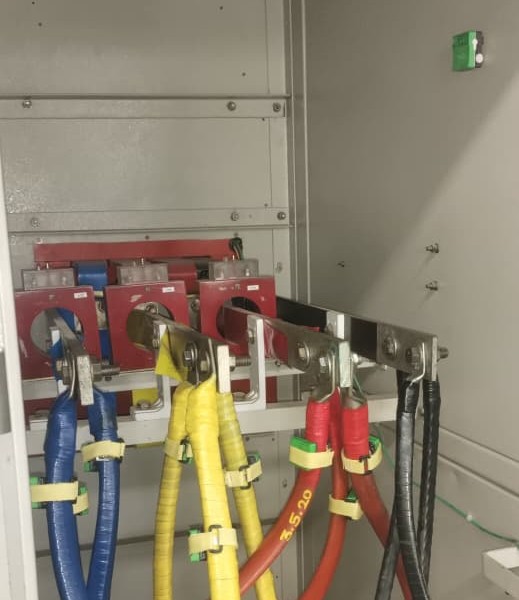
- Sensors installed on cable joints, terminations, and high-load zones
- TH110 devices mounted inside electrical panels
- Alarm limits set based on cable insulation class
- Continuous logging enabled for performance analysis
Results & Performance
Key Outcomes Achieved
- 🔥 Early detection of abnormal cable heating
- ⚡ Reduced risk of cable failure and fire incidents
- 🛠️ Shift from reactive to predictive maintenance
- 📊 Improved visibility of thermal conditions
- 🧯 Enhanced compliance with electrical safety standards
During operation, the system detected a gradual temperature rise in one feeder cable, allowing corrective action before insulation damage occurred.
Benefits of Cable Temperature Monitoring with TH110
- Extends cable service life
- Minimizes unplanned downtime
- Improves overall system reliability
- Supports digital energy management strategies
- Scalable for future expansion
Typical Applications
- Electrical substations
- Industrial plants
- Data centers
- Renewable energy systems
- EV charging stations
- Commercial buildings
Conclusion
This case study demonstrates that a Cable Temperature Monitoring System with PowerLogic™ Thermal Tag TH110 is a practical and effective solution for modern electrical networks. By providing real-time thermal visibility, the system enhances safety, prevents costly failures, and enables smarter maintenance decisions.
As electrical systems move toward digitalization and predictive maintenance, PowerLogic™ Thermal Tag TH110 proves to be a reliable tool for ensuring safe, efficient, and future-ready power infrastructure.