Medium Voltage (MV) cables are one of the most critical elements in modern power distribution networks. They ensure reliable, efficient, and safe transmission of electricity across industrial plants, commercial complexes, renewable energy projects, and utility grids. As voltage levels increase, the need for robust insulation, high mechanical strength, and precise installation becomes even more crucial.
This guide provides a complete, in-depth explanation of medium voltage cable types, construction, installation methods, testing procedures, and best practices, updated for 2025 standards to help engineers, technicians, EPC contractors, and students.
Table of Contents
- Introduction to Medium Voltage Cables
- Voltage Classes & Standards
- Construction of Medium Voltage Cables
- Types of Medium Voltage Cables
- MV Cable Selection Criteria
- Installation Methods of Medium Voltage Cables
- Cable Accessories (Joints, Terminations & Connectors)
- Testing & Commissioning Procedures
- Common MV Cable Failures & Prevention
- Safety Practices During MV Cable Installation
- Best Practices for Long-Term Reliability
- Applications of Medium Voltage Cables
- Latest Trends & Technologies (2025 Update)
- FAQs
- Conclusion
1. Introduction to Medium Voltage Cables
Medium Voltage cables are designed to transmit electrical power between 1 kV and 52 kV, depending on regional standards. They are used in:
- Utility distribution networks
- Industrial and commercial facilities
- Renewable energy plants (solar & wind)
- Airports, railways & data centers
- Oil & gas and mining operations
Their design ensures:
- High insulation strength
- Excellent mechanical durability
- Resistance to chemical, thermal, moisture, and environmental stresses
- Safe and reliable operation even under extreme conditions
2. Voltage Classes & Standards
Different global standards define MV voltage levels differently.
Voltage Class (Common)
- 3.3 kV
- 6.6 kV
- 11 kV
- 22 kV
- 33 kV
- 66 kV
Applicable Standards
- IEC 60502-2 – MV power cables
- IEEE 383 / IEEE 48 – Cable qualification & testing
- BS 6622 – Armored MV cables
- ICEA S-93-639 – US standard for MV cables
- ASTM Standards – Material specifications
3. Construction of Medium Voltage Cables
A typical MV cable consists of the following components:
1. Conductor
- Copper (preferred for high current)
- Aluminum (lightweight & cost-effective)
2. Conductor Screen
Ensures smooth electric field distribution.
3. XLPE Insulation
The most common insulation material due to:
- High thermal resistance
- Low dielectric loss
- Excellent mechanical strength
4. Insulation Screen
Maintains electrical uniformity.
5. Metallic Screen
Made from:
- Copper tapes
- Copper wires
Used for earthing and fault-current path.
6. Bedding / Separator Layer
7. Armor (if needed)
- Steel wire armor
- Steel tape armor
- Aluminum wire armor
Provides mechanical protection.
8. Outer Sheath
PVC or HDPE for protection against environments.
4. Types of Medium Voltage Cables
MV cables are categorized based on insulation type, construction, and application.
1. XLPE Cables (Most Common)
- High temperature resistance
- Easy installation
- Lightweight
- Excellent dielectric strength
2. EPR Cables (Ethylene Propylene Rubber)
- Flexible
- Excellent moisture resistance
- Used in harsh environments
3. PILC Cables (Paper-Insulated Lead Covered)
- Traditionally used
- Limited use today
- High maintenance
4. Armored MV Cables
Used in:
- Underground installations
- Industrial environments
- Areas with mechanical risk
5. Unarmored MV Cables
Used in:
- Cable trays
- Indoor installations
- Tunnels
6. Fire-Resistant MV Cables
Essential for:
- Hospitals
- Data centers
- Metro rail tunnels
5. MV Cable Selection Criteria
To select the right medium voltage cable, consider:
1. Voltage Rating
Choose according to system voltage.
2. Current Carrying Capacity
Depends on:
- Conductor size
- Installation method
- Ambient temperature
3. Short Circuit Rating
Must withstand the maximum fault level.
4. Environmental Conditions
Such as:
- Chemical exposure
- Soil type
- Temperature
5. Mechanical Strength Requirements
6. Compliance with Standards
6. Installation Methods of Medium Voltage Cables
Proper installation directly affects cable lifespan and performance.
1. Direct Burial
- Cost-effective
- Requires sand bedding
- Protective tiles or covers recommended
2. Underground Cable Trenching
- Common in utility distribution
- Multiple cables grouped
3. Cable Trays & Ladder Systems
Used in:
- Industrial plants
- Commercial buildings
4. Duct Bank Installation
- Concrete ducts
- High protection
- Used for critical infrastructure
5. Tunnels & Substations
- Requires fire-rated cables
- Easy maintenance
6. Subsea Cable Installation
Used in:
- Offshore wind
- Islands
- Marine projects
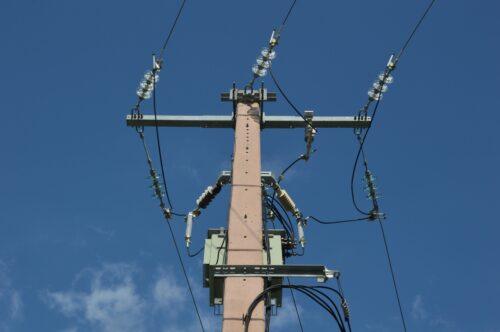
7. Aerial Installation
- Not common for MV
- Used in rural distribution
7. Cable Accessories (Joints, Terminations & Connectors)
Accessories are essential for smooth current flow and avoiding failures.
Types of Cable Accessories
1. Heat Shrink Joints
- Easy to install
- Durable
2. Cold Shrink Joints
- No heat required
- Very reliable
3. Plug-in Connectors
For RMU and switchgear.
4. Outdoor Terminations
With stand harsh weather.
5. Indoor Terminations
Used inside switchgear and panels.
6. Straight Joints
Used for cable extension.
8. Testing & Commissioning Procedures
Testing ensures the cable is safe and fault-free before energizing.
1. Insulation Resistance Test (Megger Test)
Checks insulation health.
2. High Voltage Test (VLF Test)
Performed using:
- Very Low Frequency (0.1 Hz) test equipment
3. Partial Discharge (PD) Testing
Detects defects like:
- Voids
- Sharp edges
- Contamination
4. Sheath Integrity Test
Ensures outer sheath is damage-free.
5. Conductor Resistance Test
Verifies conductor size and integrity.
6. Continuity & Polarity Test
7. Hi-Pot Test (DC or AC)
Depending on local standards.
9. Common MV Cable Failures & Prevention
Failures occur due to:
1. Poor Installation Practices
Bending radius violation, incorrect jointing.
2. Moisture Ingress
Leads to insulation breakdown.
3. Mechanical Damage
From digging or rodents.
4. Overloading
Causes excessive heating.
5. Poor Quality Accessories
Prevention Tips
- Use certified contractors
- Follow manufacturer’s guidelines
- Conduct periodic thermal imaging
- Maintain proper earthing
- Perform PD testing regularly
10. Safety Practices During MV Cable Installation
Safety is critical during handling and installation.
Key Safety Tips
- Use proper PPE
- Ensure LOTO procedures
- Avoid live cables
- Maintain safe distance
- Do not exceed bending radius
- Use cable rollers
- Avoid dragging cables on rough surfaces
11. Best Practices for Long-Term Reliability
1. Proper Routing
Avoid hot areas and sharp bends.
2. Routine Testing
Preventive maintenance improves lifespan.
3. Condition Monitoring
Use:
- DTS
- PD Sensors
- Thermal Sensor
4. Effective Earthing
Reduces fault stress.
5. Correct Accessory Installation
12. Applications of Medium Voltage Cables
MV cables are used in:
- Industrial power networks
- Wind & solar farms
- Utility distribution systems
- Metro rail & airports
- Data centers
- Oil & gas plants
- Pumping stations
- Steel & cement factories
13. Latest Trends & Technologies (2025 Update)
1. Intelligent Cables
With real-time monitoring sensors.
2. Eco-Friendly Insulation Materials
Halogen-free, recyclable.
3. Digital Twin Technology
Simulates cable performance.
4. Advanced PD Monitoring Systems
5. Fire-Resistant MV Cables for Critical Sites
6. Robotic Cable Installation
Used in tunnels & subsea environments.
14. FAQs
Q1: What is the voltage range for MV cables?
Typically 1 kV to 52 kV depending on the standard.
Q2: Which insulation is best for MV cables?
XLPE is the most widely used due to high thermal and mechanical strength.
Q3: How often should MV cables be tested?
Every 1–3 years, depending on application.
Q4: What is the main cause of MV cable failure?
Improper installation, especially poor jointing.
Q5: Are armored cables better?
They are required where mechanical protection is needed.
15. Conclusion
Medium Voltage cables are essential for distributing power safely and efficiently across industrial, commercial, and utility networks. Selecting the correct cable type, following the proper installation method, and carrying out accurate testing procedures ensure a long service life and reliable performance. With advancements in technology, MV cables are becoming smarter, safer, and more efficient—making them a vital component of modern electrical infrastructure.
By understanding cable construction, types, installation rules, accessories, and testing methods, engineers and technicians can improve system reliability and reduce failures. This complete guide serves as a powerful reference for anyone involved in the planning, installation, testing, or maintenance of medium voltage cable systems.