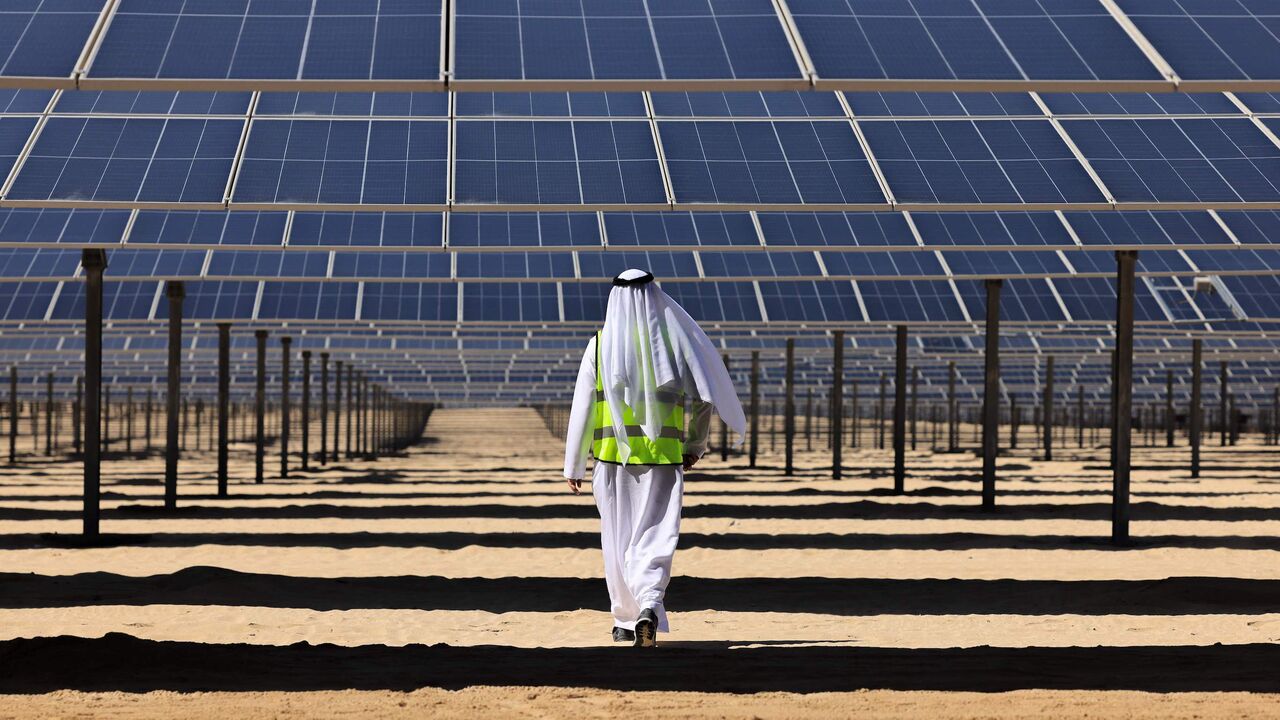
A solar farm can sound abstract until you see one that stretches across the desert like a second horizon. South of Abu Dhabi, the Al Dhafra PV2 Solar Project turns that idea into something real, massive, and hard to ignore.
If you’re trying to picture what the energy transition looks like at full scale, this is it. Al Dhafra pairs huge solar output with the kind of automation, control, and grid connection that lets a renewable plant run like serious infrastructure, not a pilot project.
Al Dhafra turns desert sunlight into utility-scale power
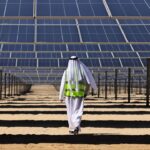
The Al Dhafra site sits in the desert south of Abu Dhabi, where open land and strong sun create near-perfect conditions for large-scale solar generation. According to the official project overview, the plant spans a little over 20 square kilometers and delivers about 2 gigawatts of photovoltaic capacity. That makes it the largest single-site solar project in the world.
At ground level, the numbers almost stop feeling real. The project is described as using roughly four million PV modules across the site. In the video, the scale is framed through 3.8 million solar panels. Either way, the message is the same: Al Dhafra is built on a size few renewable sites can match.
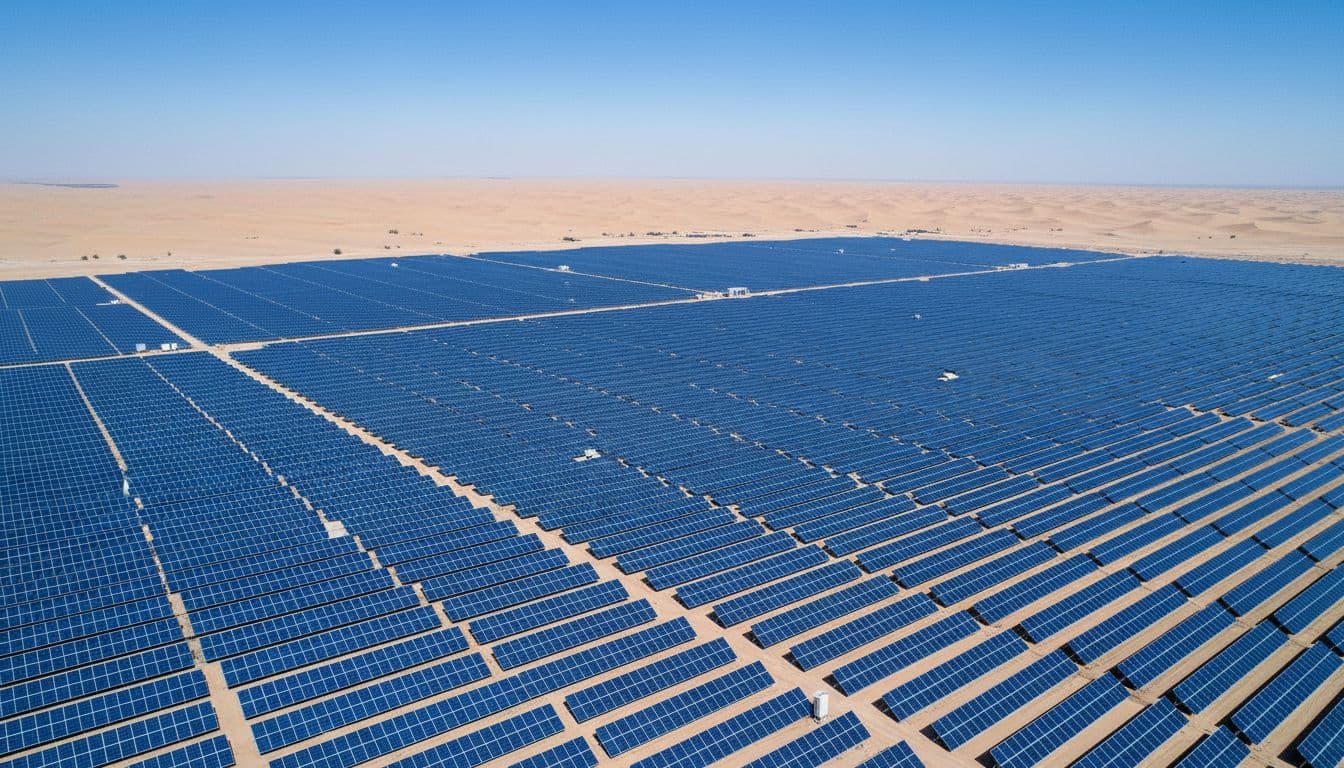
These are the project details that matter most at a glance.
| Project detail | What it shows |
|---|---|
| Location | Al Dhafra region, south of Abu Dhabi |
| Site size | More than 20 square kilometers |
| Generation capacity | About 2 GW |
| PV modules | Roughly 4 million |
| Power supplied | Enough clean electricity for around 200,000 homes |
| Annual CO2 reduction | About 2.4 to 2.5 million metric tons |
The takeaway is simple: this is not a symbolic solar field. It’s a grid-scale power station built to move a meaningful amount of electricity every day.
That scale also matters for the region. The Middle East has long been tied to oil and gas, so a project like this carries extra weight. It shows that the shift toward low-carbon power is no longer a side story. In places with the right climate and enough infrastructure, solar is moving into the center of the energy mix.
Why the UAE is betting big on solar power
Al Dhafra didn’t happen in a vacuum. It sits inside a larger national push to diversify energy supply, cut emissions, and meet rising electricity demand.
The case for solar in the UAE is easy to understand. The country has some of the world’s strongest solar radiation, wide-open land, and fewer geographic barriers than many dense urban regions. Sunlight hits hard, space is available, and large surface areas can be put to work.
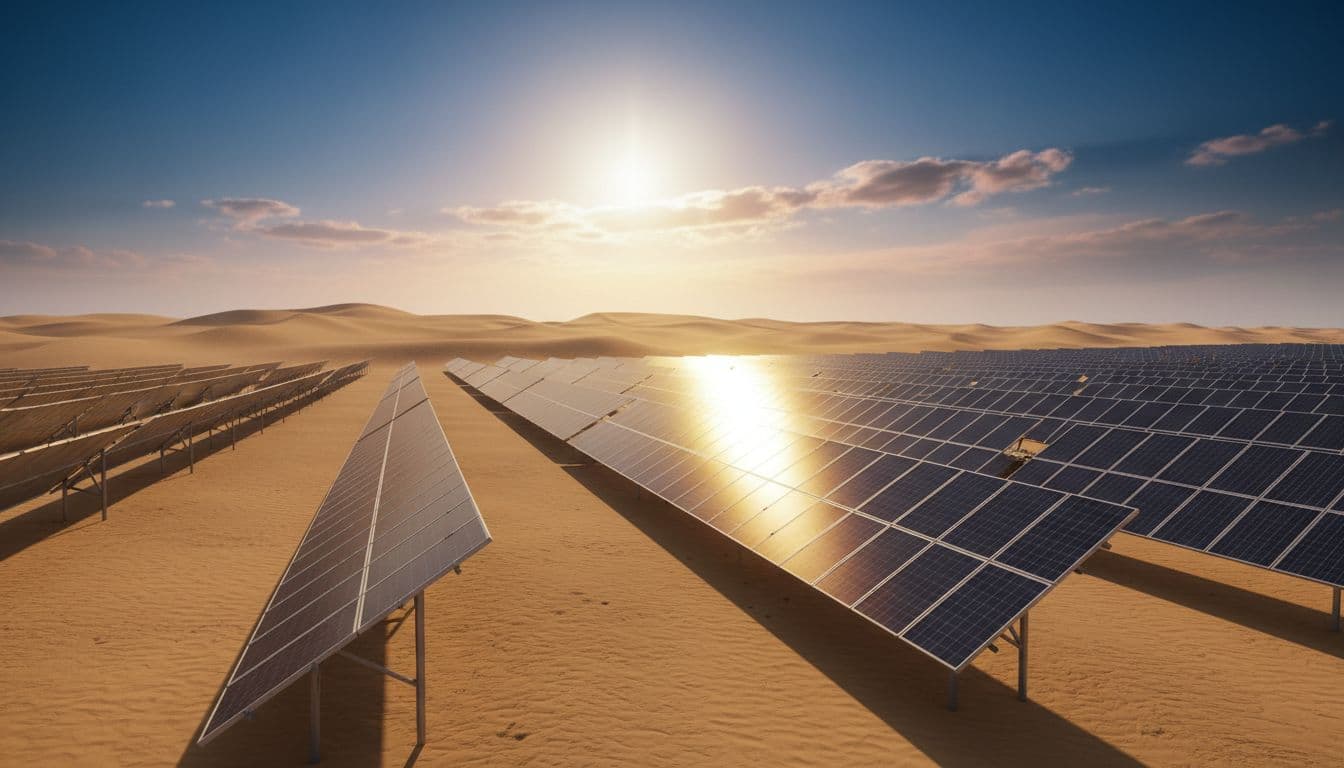
That natural advantage lines up with national policy. The UAE Energy Strategy 2050 says the country plans to triple the contribution of renewable energy by 2030, while the UAE’s Net Zero 2050 Strategy sets the longer goal of net-zero emissions by 2050.
In the video, speakers point to another basic truth: energy demand keeps climbing, both globally and across the region. That means the challenge isn’t only about building cleaner power. It’s about building enough cleaner power to keep up with homes, industry, and economic growth.
In a country with intense sun, open land, and big energy demand, solar isn’t a side option. It’s one of the most practical tools available.
This is why Al Dhafra matters beyond its record-setting size. It gives the UAE a way to turn natural conditions into a long-term energy asset. It also helps the country stake out a leadership position in the Middle East, where renewable growth is becoming easier to see, and harder to dismiss.
ABB’s role goes far beyond installing equipment
A solar plant this large can’t run on panels alone. Behind the neat rows of modules sits a thick layer of automation, power conversion, control, and grid integration.
At Al Dhafra, ABB says it supplied the plant’s automation and control system, along with electrical equipment that helps convert the solar output and connect the site to the grid. A PES report on ABB technology at Al Dhafra ties that work directly to plant efficiency and reliability.
That role is easy to underestimate. Solar panels create electricity, but they don’t organize the site, monitor performance, route power, or help operators respond when something changes. Those jobs fall to the systems behind the scenes.
For readers who follow industrial control, this fits a broader pattern in large energy projects. Reliable automation matters because plants need visibility, diagnostics, and stable operation over long periods. That is part of why ABB automation reliability features keep showing up in demanding industrial environments.
Inside the control room
The video gives one of its clearest examples inside the control room. More than 600,000 signals feed into that space from across the solar site. Operators can track those signals, analyze them, and manage the plant digitally from one place.
That changes the job from walking a giant site and reacting late to reading the plant in near real time. When output changes, when equipment status shifts, or when the grid needs a response, operators aren’t working blind.

The speakers in the video describe that system in practical terms. It makes life easier for the operations team. It improves visibility. It gives them better control over a site that covers an enormous footprint.
More than 600,000 signals flowing into one room is a reminder that modern solar plants are as much about data as they are about sunlight.
Getting power from panels to the grid
There is also a second layer to ABB’s role: getting electricity from the field into the wider network. Solar generation has to be converted, managed, and connected to the grid in a stable way. That doesn’t grab attention like rows of shining panels, but it’s what turns renewable output into usable power for cities, businesses, and homes.
In other words, the project is not only about generation. It’s also about delivery. That is where broader power-distribution technologies come in, including equipment used in renewable integration and smart networks. If you want background on that side of the picture, this guide to RMUs in smart grids and renewables adds useful context.
Why data matters as much as the panels
When a site spreads across more than 20 square kilometers, complexity grows fast. Weather shifts. Equipment performance varies. Grid needs change during the day. If operators are going to keep output steady and make the most of the plant, they need more than live status screens. They also need prediction.
That is why ABB highlights digital tools that help optimize asset performance and forecast energy production. On a smaller site, rough estimates and manual checks might get you through. On a 2 GW solar plant, small inefficiencies can grow into large losses.
Forecasting also matters because solar output isn’t constant. Clouds, heat, dust, and daily sunlight cycles all shape how much power the site can produce at a given time. Better production forecasts help operators prepare the grid side of the equation, not only the plant side.
This is one of the strongest ideas in the story. Utility-scale renewables are not simply about building more panels. They depend on software, sensors, control systems, and electrical infrastructure working together. That same trend shows up across modern distribution networks, where the role of smart RMUs in power networks continues to grow as grids become more connected and data-driven.
If Al Dhafra feels like a machine spread across the desert, that’s because it is. The panels collect the energy, while the control layer makes the whole system readable and manageable.
The climate impact reaches beyond Abu Dhabi
The headline environmental benefit is hard to miss. The project is expected to cut Abu Dhabi’s carbon emissions by about 2.4 to 2.5 million metric tons each year. The video compares that to removing nearly half a million cars from the road. The linked project and coverage put that figure in a similar range, around 470,000 to 500,000 cars.
That number gives the plant a kind of physical weight. Emissions can feel abstract until they are tied to a project this large. Then the effect becomes easier to picture. A single site can shift a meaningful share of a city’s carbon output while supplying clean electricity to hundreds of thousands of homes.
The project also fits a much bigger global movement. According to the International Energy Agency, solar PV is expected to account for around 80% of the global increase in renewable power capacity over the next five years. Al Dhafra shows what that trend looks like when it lands in one place with enough capital, planning, and natural advantage behind it.
There is also a regional signal here. The Middle East is often discussed as an energy powerhouse because of fossil fuels. Projects like Al Dhafra add a new layer to that identity. They show that the region can also become a serious force in renewable generation, especially where sunlight, land, and grid investment line up.
A solar farm that works like a power plant, not a pilot project
The strongest lesson from Al Dhafra is not only that it’s big. It’s that scale and control have arrived together. Millions of panels, hundreds of thousands of data points, and a grid-ready automation layer turn desert sun into dependable power.
That is what makes the project stand out. Al Dhafra isn’t a vision of the future in theory. It’s a working example of how renewable energy grows up, gets organized, and starts carrying real weight on the grid.
When people ask what the energy transition looks like at full size, they don’t need an abstract answer. They can look south of Abu Dhabi.