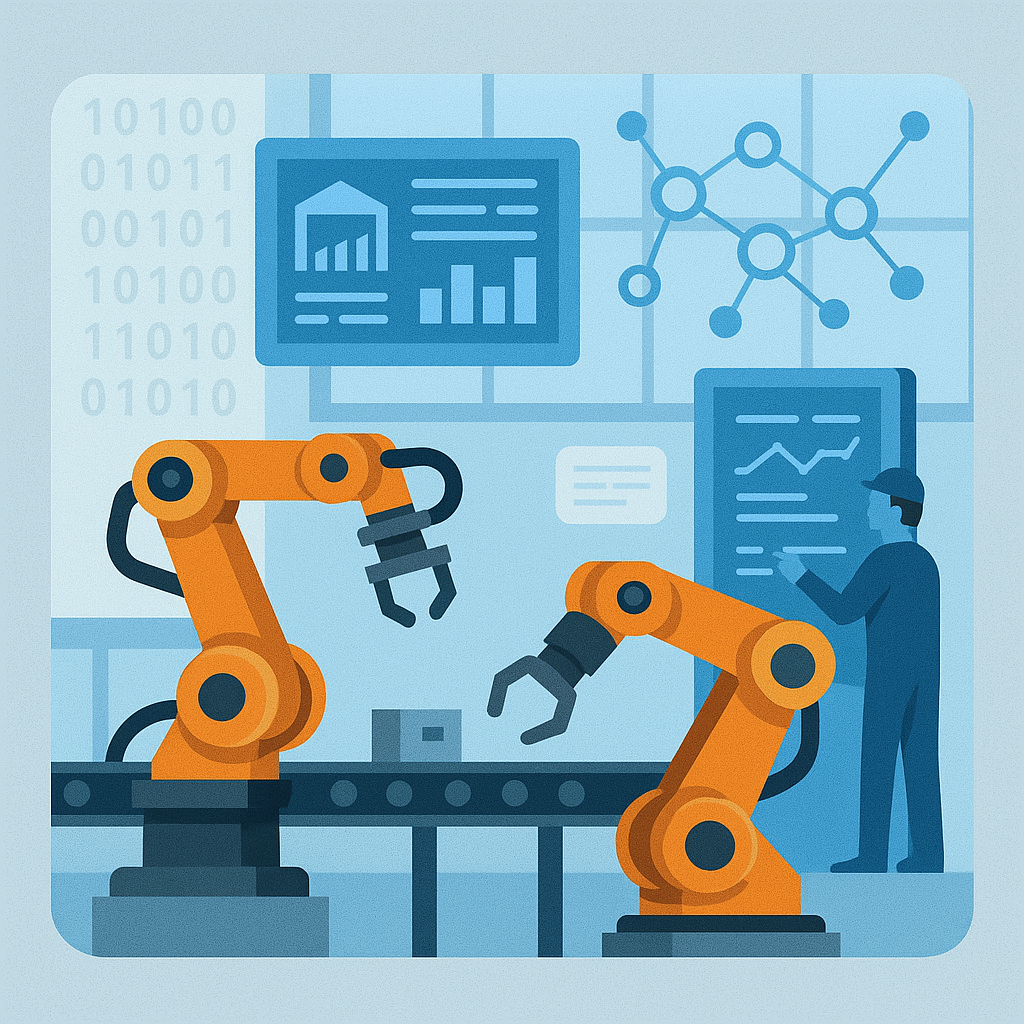
The industrial automation industry is transforming the way modern factories operate, innovate, and scale. As companies push for higher efficiency, smarter production, and data-driven decision-making, automation technologies like AI, robotics, IIoT, and advanced control systems have become essential. In this fast-evolving landscape, understanding the latest trends and future growth opportunities is crucial for any business looking to stay competitive. This blog explores the key technologies reshaping automation and what the future holds for industries worldwide.
The industrial automation industry is undergoing one of the fastest digital transformations in modern manufacturing history. From AI-powered production lines to connected IIoT ecosystems, automation is redefining how industries operate, compete, and grow. This guide breaks down the trends, technologies, challenges, and future opportunities shaping the industrial automation industry today.
What Is the Industrial Automation Industry?
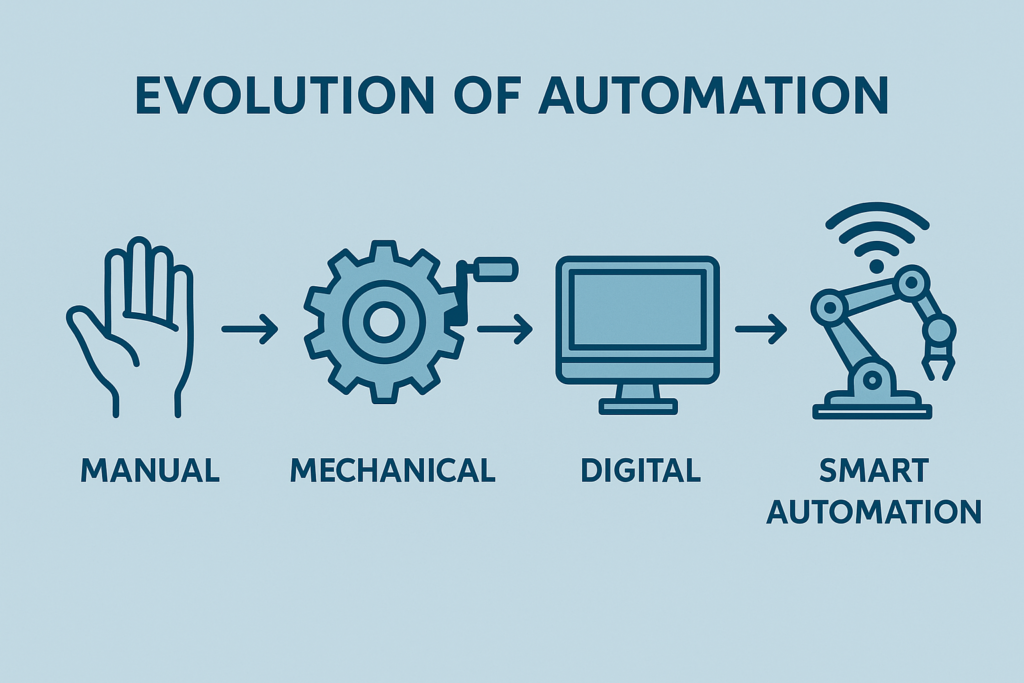
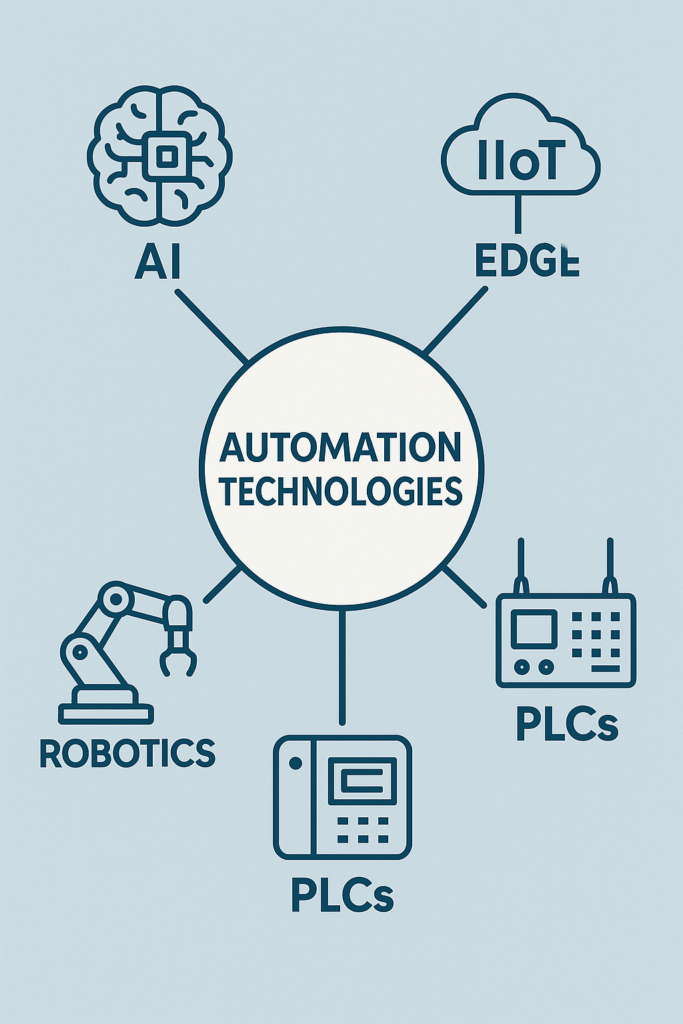
The industrial automation industry focuses on using smart technologies—such as robotics, PLCs, sensors, software, and AI—to control industrial processes with minimal human intervention. Its mission is simple: increase productivity, reduce errors, improve safety, and enable data-driven operations.
Why the Industrial Automation Industry Is Growing Rapidly
Several global forces are driving explosive growth:
- Labor shortages pushing industries toward automated efficiency
- Rising competition requiring faster, high-quality output
- Energy and cost pressures encouraging optimization
- Digital transformation initiatives across manufacturing
- Global supply chain disruptions forcing predictive and autonomous systems
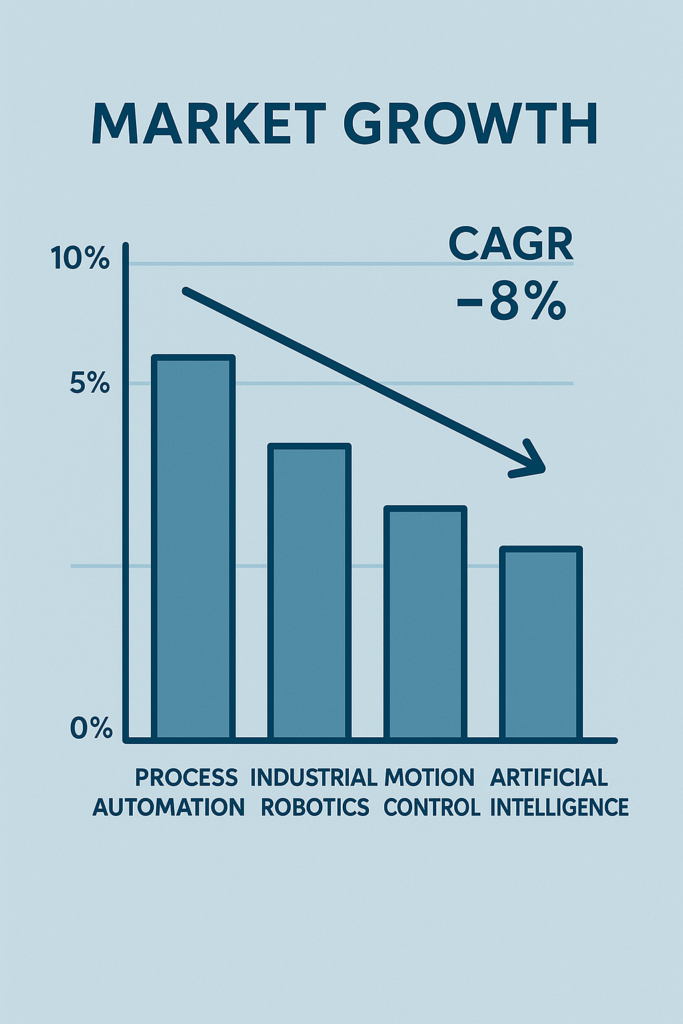
According to market projections, the industrial automation industry is expected to exceed hundreds of billions in value within the next decade, with robotics, AI, and IIoT leading the surge.
Key Technologies Powering the Industrial Automation Industry
3.1 Programmable Logic Controllers (PLCs)
The backbone of automated control systems, PLCs ensure fast, reliable, real-time operations. Modern PLCs now integrate with cloud and IIoT ecosystems.
3.2 Supervisory Control and Data Acquisition (SCADA)
SCADA systems allow remote monitoring, process visualization, and real-time insights.
3.3 Robotics & Cobots
Robots are becoming smarter, safer, and more collaborative. Cobots are especially popular for SMEs due to affordability.
3.4 Industrial Internet of Things (IIoT)
IIoT connects machines, sensors, and software, enabling real-time data collection and predictive insights.
3.5 Artificial Intelligence & Machine Learning
AI enhances:
- Predictive maintenance
- Quality inspection
- Process optimization
- Autonomous decision-making
3.6 Edge Computing
Instead of sending everything to the cloud, edge computers process data locally for ultra-low-latency operations.
3.7 Digital Twin Technology
A digital replica of a physical process or machine helps companies simulate, test, and optimize performance before real-world deployment.
Applications of the Industrial Automation Industry Across Sectors
Manufacturing
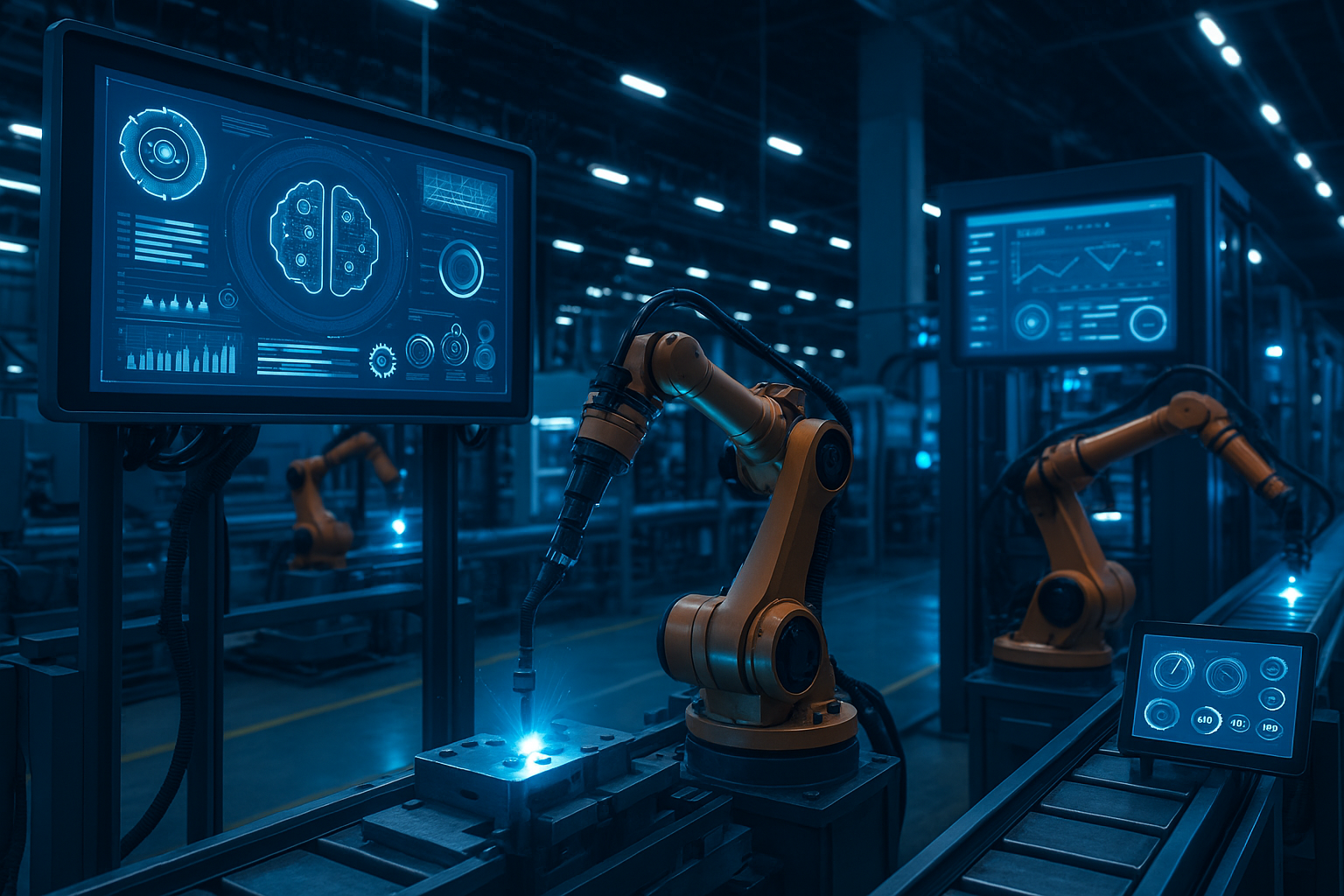
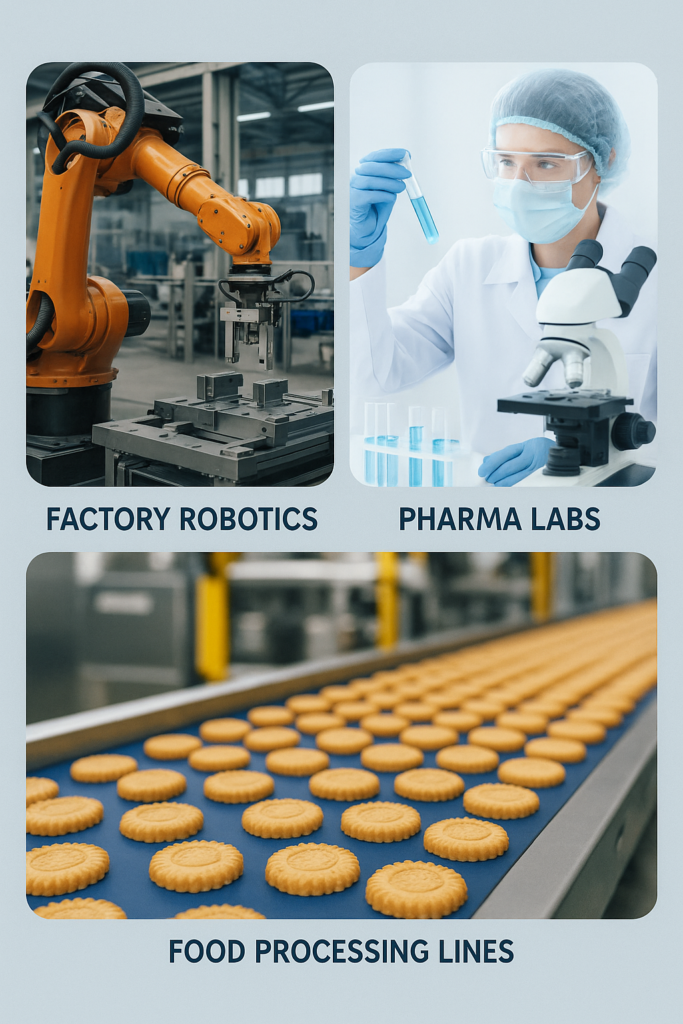
Automated assembly lines, robotic welding, packaging, and quality inspection.
Automotive
Autonomous production systems, smart robotics, AGVs, digital twins.
Pharmaceuticals
Precision batching, cleanroom automation, compliance monitoring.
Food & Beverage
Automated sorting, packaging, temperature control, traceability systems.
Energy & Utilities
Smart grids, remote monitoring, predictive maintenance.
Oil & Gas
Pipeline monitoring, SCADA-driven operations, leak detection.
Benefits of the Industrial Automation Industry
The industrial automation industry provides significant advantages such as:
- Increased Productivity: Faster output with consistent quality
- Reduced Operational Costs: Lower labor, energy, and downtime expenses
- Improved Safety: Robots handle dangerous tasks
- Higher Precision & Quality Control: AI-enabled detection prevents defects
- Scalability: Systems can be upgraded easily as demands grow
- Data-Driven Decisions: Real-time analytics enable smarter operations
Challenges Facing the Industrial Automation Industry
Despite its growth, the industry still faces challenges:
- High initial investment for automation equipment
- Workforce skill gaps in robotics and advanced systems
- Cybersecurity risks as more devices connect digitally
- Integration complexity between legacy and modern systems
- Vendor lock-in when using proprietary technologies
These limitations encourage companies to plan long-term and invest in training, secure architectures, and open-standards-based systems.
Future Growth Opportunities in the Industrial Automation Industry
The future of the industrial automation industry is incredibly exciting! Key developments include:
Hyper-Automation
Combining AI, ML, RPA, and analytics to automate nearly every process.
Lights-Out Manufacturing
Factories running 24/7 with minimal human presence.
Autonomous Industrial Systems
Machines making decisions based on real-time data and AI.
Sustainable Automation
Energy-efficient robotics, smart grids, and green manufacturing.
5G-Driven Automation
Ultra-fast networks enabling real-time remote operations and smart robotics.